Traveling with kids can be an exciting adventure, but it also requires careful planning to ensure a stress-free and enjoyable family vacation. Nepal provides families with children a wonderful experience on multiple levels. Although the capital city can be quite congested, using an environmentally friendly rickshaw is a great option that brings joy to every child's face while allowing families to avoid busy streets. The capital features numerous child-friendly garden courtyard-style restaurants that are situated away from the hustle and bustle. Most restaurants are very accommodating to children, so it's a good idea to ask if they can make subtle adjustments to menu items, such as reducing the level of spices.
Swayambu is favored among many children visiting Kathmandu city. This iconic stupa overlooking the whole city offers up a variety of sights. Known affectionately as the “Monkey Temple” due to a large number of Rhesus Macaque monkeys living there, these primates offer a good distraction for children. But, it's important to remember not to feed the monkeys and to keep your possessions away from them!
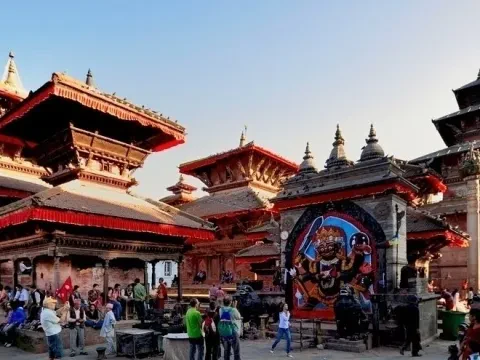
For a quieter, more peaceful stay with younger children you might want to consider staying in the peaceful city of Bhaktapur which is a short taxi ride from Kathmandu. Bhaktapur offers a quiet environment set in a traditional Newar style. The streets here are pedestrian friendly and filled with hidden treasures from potters spinning clay vessels to Thangka painters working on large colourful artworks.
The hotels in Bhaktapur offer homely stays with many of the owners delighted to have young families staying with them. It's a great opportunity to learn more about Nepalese family life. Don't be surprised if you get an offer to join them for a meal or tea more than once!
The resort town of Pokhara is another popular place for families with children visiting Nepal. Lake Phewa offers safe boating overlooking calm waters. A hike up to the World Peace Stupa overlooking the lakeside is a great day out for children. After a short boat ride across the lake you hike for about 1 hour before reaching a glistening stupa with panoramic views of the lake and Annapurna mountains. Descending down the other side offers visits to underground caves, Devis waterfalls and even a robotic Buddha museum.
Again, guest houses in Pokhara's Lakeside offer family friendly rooms and restaurants with closed in gardens or courtyards to put your mind at rest. Meanwhile, walks or pony rides around the lake make for great morning or afternoon activities. High above, the paragliders and micro lights offer an amazing experience for young adults to fly close to the mountains. Make sure you check with the flight company regarding age restrictions for younger children.
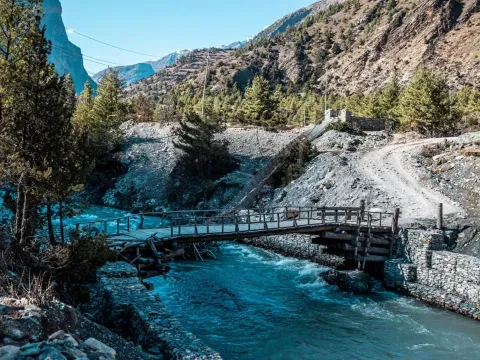
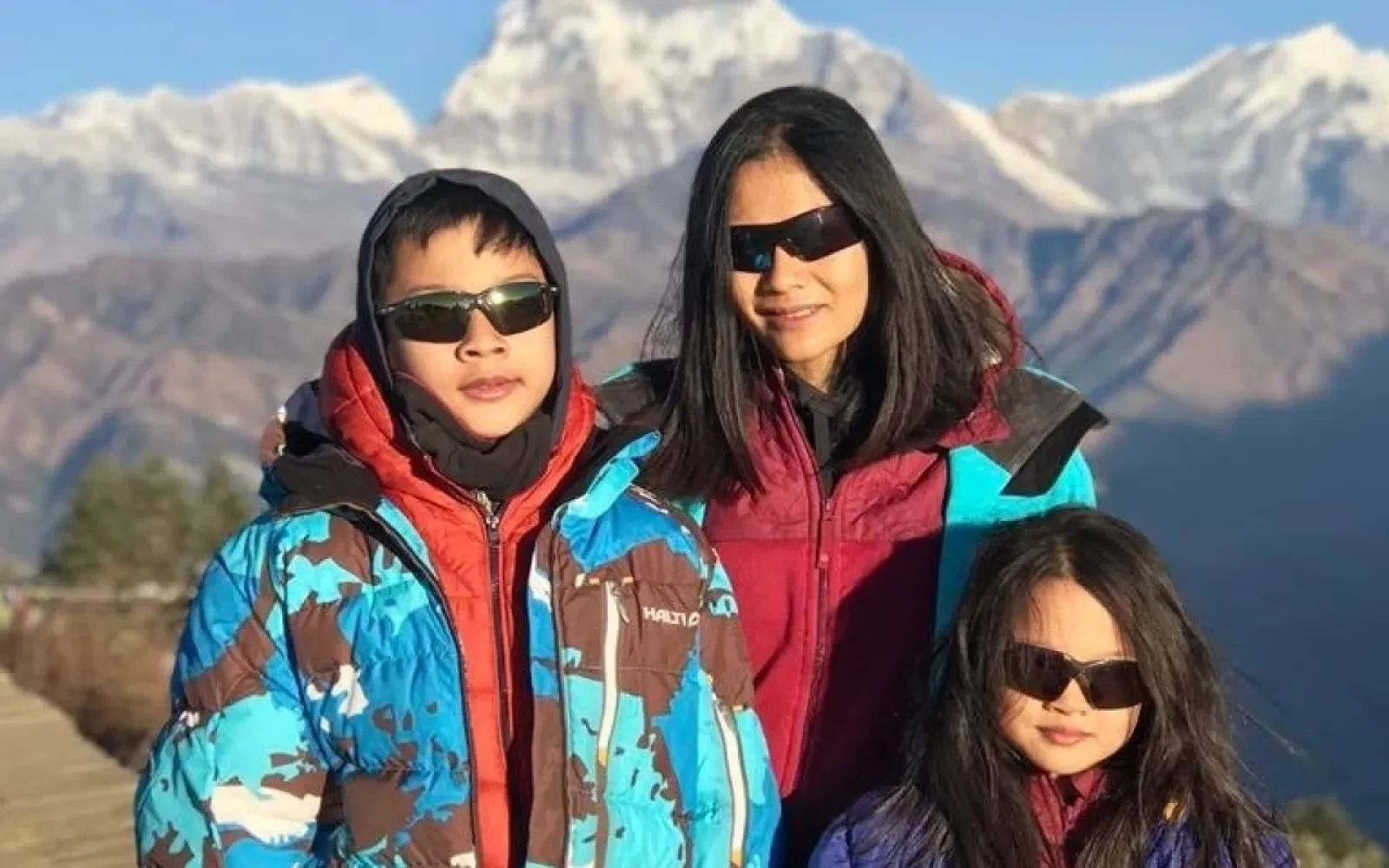
When in Pokhara there are a vast number of treks that children can enjoy. Depending on the age of your child you could pick short 3-4 days treks to Poon Hill or Dhampus. Older children who enjoy trekking could also participate in longer treks like the Annapurnna Circuit. Do get advice from your medical advisor back home about treks at altitude. For parents with younger children it's possible to hire a porter with a wooden doko basket for a fun way to carry your child on a trek.
Jungle safari is a great adventure for children. Jungle activities in Chitwan National Park offer yet more incredible experiences for children to enjoy while visiting Nepal. Half-day or full-day jungle treks are popular for the real possibility of seeing a wild rhino, elephant, deer or even a tiger in the wild. Again, it's possible to hire a porter to help carry small children.
Whether you are looking for educational, environmentally friendly, outdoor, or family-oriented activities, Nepal offers a dazzling array of fun things to do for children of all ages.