Climbing and Expedition
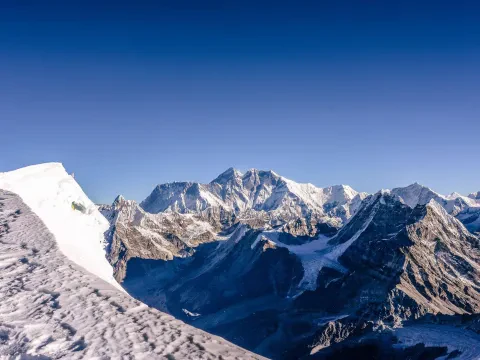
Mera Peak stands 6476 meters high and is considered one of the major, most popular trekking peaks in Nepal. It lies in the Khumbu Himalayan Range. The trail winds amongst forests of pine and rhododendrons in this remote and uninhabited valley lead to the alpine Environment of Mera Base Camp. The Peak itself rises to the south of Everest. The ascent of the peak is technically straightforward, however heavy snow and a maze of crevasses can make our journey a long way to the summit.Besides the charm of climbing Mera Peak, the trek to base camp from Lukla is rewarding to experience rare un-spoilt regions of Nepal with densely forested hillsides. Mera Peak is classified as a trekking peak in Nepal which means it is also accessible for non-climbers, although trekking and basic experience is preferred. The necessary techniques and safety rules will be instructed to new trekkers during the route. Second reason is that from Mera Peak one can observe the major five peaks over 8000m from summit: Mt. Everest, Lhotse, Cho Oyo, Makalu, and Kanchenjunga. The weather and the condition of snow must be good for the safety and success of summit.Mera Peak Climbing OverviewMera Peak Climbing is one of the most exciting and rewarding trekking peak adventures in Nepal, offering an incredible combination of Himalayan trekking, high-altitude climbing experience, and breathtaking mountain scenery. Standing at an elevation of 6,476 meters, Mera Peak is the highest officially recognized trekking peak in Nepal. Located in the remote and beautiful Khumbu Himalayan region, south of Mount Everest, the peak provides an outstanding opportunity for adventure seekers who wish to experience Himalayan mountaineering without requiring advanced technical climbing skills.The journey to Mera Peak begins with a scenic flight from Kathmandu to Lukla and continues through peaceful Sherpa villages, dense rhododendron and pine forests, remote valleys, and untouched alpine landscapes. Unlike the busy Everest Base Camp route, the Mera Peak trail takes climbers through less crowded and pristine regions, allowing them to experience authentic Himalayan culture and nature.The climbing route is considered technically straightforward compared to other Himalayan peaks, but the high altitude, glacier crossings, heavy snowfall, and crevasse sections make it a challenging and rewarding expedition. Odea Services provides experienced climbing guides, proper acclimatization schedules, safety support, and climbing instructions to help both beginner and experienced climbers successfully reach the summit.From the summit of Mera Peak, climbers are rewarded with one of the most spectacular panoramic views in the Himalayas. On a clear day, you can witness some of the world's highest mountains, including Mount Everest, Lhotse, Cho Oyu, Makalu, and Kanchenjunga.Highest point: 6,476 metersFirst ascent: May 20, 1953, by Col. Jimmy Roberts and Sen TenzingLocation: Khumbu Himalayan Region, NepalDuration: Approximately 22 daysBest for: Adventure trekkers, beginner climbers, and experienced mountaineersStunning views of five mountains above 8,000 metersRemote Himalayan landscapes and authentic Sherpa cultureBest Season for Mera Peak ClimbingChoosing the right season is one of the most important factors for a successful Mera Peak Climbing expedition. Nepal experiences different weather conditions throughout the year, and climbing a high-altitude peak requires stable weather, clear visibility, and favorable snow conditions.The best seasons for Mera Peak Climbing are spring (March to May) and autumn (September to November). During these months, the weather is generally stable, the skies are clear, and mountain views are excellent. Spring offers colorful rhododendron forests, warmer temperatures, and longer daylight hours, making it one of the most beautiful times to trek toward Mera Base Camp.Autumn is another ideal season because of the dry weather, excellent visibility, and comfortable trekking conditions. After the monsoon season, the atmosphere becomes clear, providing magnificent views of Everest, Makalu, Lhotse, and surrounding peaks.Winter climbing is possible for experienced climbers, but extreme cold, strong winds, and heavy snowfall make the expedition more challenging. The monsoon season is generally avoided because rain, clouds, and flight delays can affect the trekking schedule.Best Seasons:Spring (March–May): Best mountain views, colorful landscapes, stable weatherAutumn (September–November): Clear skies, dry trails, ideal climbing conditionsWinter (December–February): Possible but more challenging due to cold temperaturesMonsoon (June–August): Less recommended due to rain and unstable weatherMera Peak Climbing Difficulty and TransportationMera Peak Climbing is classified as a trekking peak in Nepal, making it accessible to climbers with basic mountaineering knowledge and good physical fitness. Although the technical climbing requirements are moderate, the altitude makes the expedition demanding. Climbers should be prepared for long trekking days, glacier walking, cold temperatures, and reduced oxygen levels at higher elevations.The major challenges include crossing the Mera Glacier, climbing steep snow slopes, adjusting to high altitude, and managing unpredictable Himalayan weather. Odea Services follows a carefully designed itinerary with acclimatization days at Lukla and Thagnak to allow climbers' bodies to adjust gradually to increasing elevation.Basic climbing skills such as using crampons, ice axes, ropes, and glacier safety techniques are introduced and practiced before the summit attempt. Our experienced guides ensure that climbers understand safety procedures and climbing techniques before reaching higher camps.Difficulty Level:Grade: Moderate to challenging trekking peakMaximum altitude: 6,476 metersRequires good physical fitness and enduranceBasic mountaineering training is recommendedGlacier crossing and high-altitude climbing involvedProper acclimatization requiredTransportation During the Expedition:International arrival and departure support in KathmanduScenic flight: Kathmandu to Lukla (approximately 35 minutes)Private vehicle transfers in KathmanduTrekking transportation by walking trailsHelicopter rescue assistance available when required (additional cost)Food and Accommodation for Mera Peak ClimbingDuring the Mera Peak Climbing expedition, Odea Services provides carefully arranged meals and accommodation to ensure climbers remain healthy and energized throughout the journey. Nutrition plays an important role at high altitudes, so meals are prepared with a focus on providing enough carbohydrates, protein, and energy for trekking and climbing activities.During the trekking section, accommodation is provided in comfortable local teahouses operated by Sherpa families. These lodges provide basic but warm facilities, including dining areas, shared rooms, and traditional Himalayan hospitality. At Mera Base Camp, High Camp, and other remote areas, accommodation is arranged in well-managed camping facilities.Meals include a variety of local and international dishes. Climbers can enjoy traditional Nepali food along with common trekking meals suitable for high-altitude environments.Food Includes:Breakfast, lunch, and dinner during the trekTraditional Nepali meals (Dal Bhat, vegetables, noodles)Tibetan bread, soups, pasta, rice, and snacksTea, coffee, and hot drinksHigh-energy climbing meals at higher campsAccommodation Includes:Hotel accommodation in KathmanduTeahouse accommodation during trekkingTent camping at Mera Base Camp and High CampSleeping tents, dining tents, and kitchen support during campingMera Peak Climbing PermitsMera Peak Climbing requires several official permits issued by the Government of Nepal and local authorities. These permits help regulate mountain activities, support conservation programs, and ensure safe climbing operations in the Himalayan region.Odea Services arranges all necessary permits and official documentation before the expedition begins, allowing climbers to focus completely on their adventure. Our team handles the administrative process, including peak climbing permits, national park entry permits, and local area permits.Required Permits for Mera Peak Climbing:Mera Peak Climbing Permit issued by Nepal Mountaineering Association (NMA)Makalu Barun National Park PermitKhumbu Pasang Lhamu Rural Municipality PermitTIMS (Trekkers’ Information Management System) CardRequired local trekking documentationHaving proper permits is essential for legal and safe climbing. Odea Services ensures that all permits are obtained according to Nepal government regulations.Why Choose Mera Peak Climbing with Odea Services?Odea Services provides professionally organized Mera Peak Climbing expeditions designed for safety, comfort, and unforgettable Himalayan experiences. With experienced climbing guides, carefully planned itineraries, and strong local knowledge, we help adventurers achieve their dream of standing on one of Nepal’s highest trekking peaks.Our team focuses on responsible adventure tourism by respecting local cultures, protecting the Himalayan environment, and supporting local communities. From airport arrival to the final departure, Odea Services provides complete support, including accommodation arrangements, permits, meals, transportation, and experienced mountain staff.Mera Peak Climbing with Odea Services is not only about reaching the summit; it is about experiencing the beauty of Nepal’s mountains, meeting Sherpa communities, exploring remote valleys, and creating lifelong memories.Reasons to Choose Odea Services:Experienced and professional climbing guidesCustomized trekking and climbing itinerariesComplete permit and logistics managementSafety-focused expedition planningQuality accommodation and mealsLocal Sherpa expertise and mountain knowledgeProper acclimatization scheduleResponsible and eco-friendly travel approachLifetime Himalayan adventure experienceMera Peak Climbing is an ideal choice for those who dream of Himalayan adventure, breathtaking landscapes, and the achievement of standing above 6,000 meters. With Odea Services, every step of your journey is carefully managed to make your climb safe, successful, and memorable.
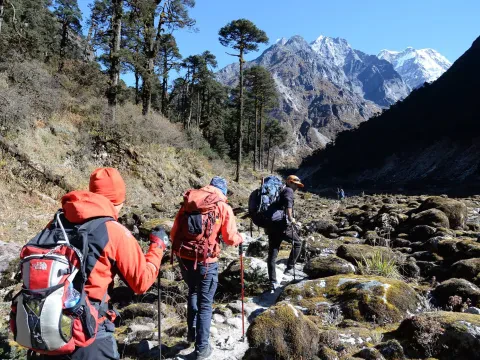
Island Peak or Imja Tse is a beautiful mountain in the Sagarmatha National Park of the Everest region. The peak was named as an Island Peak because of its scenery that looked like a peak in the middle of the pool of ice from Dingboche. This is the second highest point one can reach without the mountaineering equipment. This is a strenuous trek but the views are absolutely worth it.The trip begins from Kathmandu, the capital of Nepal and takes you through various UNESCO world heritage sites, the holy Pashupatinath temple, the monkey temple, Swoyambhu nath, the Buddhist pilgrimage site, Boudhanath Stupa and many more. The trip then extends to take you to Lukla through a 35 minutes scenic flight. The view from the airplane is magnificent and the mountain ranges extra-ordinary. From Lukla, the trek begins towards Phakding and then to Namche Bazaar, the gateway to Everest. Namche Bazar is the famous trading hub and consists of few best restaurants to hangout and acclimatize at. Then the trip heads on towards the peak, the trails beautiful and the mountains exhilarating. The trip will take you through the famous Everest region and to the Island Peak which is at an altitude of 6187 m in the Khumbu region. After the summit, we head back to Namche Bazaar, relax and then head back to Kathmandu which ends the trip. So, we welcome all our clients to be a part of the best trek up the mountain and experience the quality service with Odea Services.Island Peak Climbing OverviewIsland Peak Climbing is one of the most popular trekking peaks in Nepal, located in the beautiful Khumbu region of the Everest area inside Sagarmatha National Park. Also known as Imja Tse, Island Peak stands at an elevation of 6,187 meters and offers an exciting combination of trekking, glacier walking, and mountaineering adventure. The peak received its name because, when viewed from Dingboche, it appears like an island surrounded by a sea of ice. It is considered one of the best introductory climbing peaks for adventure seekers who want to experience Himalayan mountaineering with proper climbing training and support.The Island Peak Climbing journey with Odea Services begins with cultural exploration in Kathmandu, where you visit UNESCO World Heritage Sites including Swoyambhunath Stupa, Kathmandu Durbar Square, Pashupatinath Temple, and Boudhanath Stupa. After enjoying the traditional Nepali welcome experience, the adventure continues with a scenic mountain flight from Kathmandu to Lukla. From Lukla, the trek passes through beautiful Sherpa villages, suspension bridges, rhododendron forests, and the famous trading hub of Namche Bazaar before reaching higher Himalayan landscapes.The route gradually moves through Tengboche, Dingboche, and Chhukung while allowing proper acclimatization before climbing Island Peak. The summit day provides breathtaking panoramic views of some of the world's highest mountains, including Mount Everest, Lhotse, Makalu, Ama Dablam, and other Himalayan peaks. After successfully reaching the summit, the journey returns through the Everest region before ending back in Kathmandu.Summit experience at 6,187 meters in the Everest regionScenic flight to Lukla with Himalayan viewsExploration of Sherpa villages and Buddhist monasteriesVisit to Namche Bazaar, the gateway to EverestProper acclimatization and pre-climb trainingStunning views of Everest, Lhotse, Ama Dablam, and MakaluProfessional trekking and climbing support by Odea ServicesBest Season for Island Peak ClimbingChoosing the right season is very important for a successful Island Peak Climbing experience. Nepal has two major climbing seasons that offer the best weather conditions: spring and autumn. During these periods, the skies are usually clear, temperatures are comfortable, and the mountain views are at their best.The spring season from March to May is one of the most favorable times for climbing Island Peak. During this period, the trails are decorated with blooming rhododendron flowers, and climbers can enjoy stable weather conditions. The autumn season from September to November is another excellent period because of clear visibility, dry trails, and spectacular views of the Himalayan ranges.Winter climbing is possible for experienced climbers but brings additional challenges due to freezing temperatures, heavy snowfall, and difficult climbing conditions. The monsoon season is generally avoided because rain can affect flights, trails, and mountain visibility.Best seasons for Island Peak Climbing:Spring season: March to MayAutumn season: September to NovemberClear mountain views and stable weatherBetter climbing conditions and safer trailsIdeal time for photography and Himalayan explorationIsland Peak Climbing Difficulty and TransportationIsland Peak Climbing is considered a challenging adventure that requires good physical fitness, mental preparation, and basic mountaineering skills. Although it is classified as a trekking peak, reaching the summit at 6,187 meters involves walking on glaciers, climbing steep sections, and using technical equipment such as ropes, crampons, and ice axes. Odea Services provides experienced guides and pre-climb training to help climbers prepare for the summit.The trek follows a gradual acclimatization schedule to reduce the risk of altitude-related problems. Rest days in places like Namche Bazaar and Dingboche allow the body to adapt to higher elevations before moving toward the Island Peak Base Camp and High Camp. The summit day is the most demanding section and requires early morning climbing through rocky terrain and icy slopes.Transportation during the Island Peak Climbing adventure combines comfortable ground transportation and scenic mountain flights. The journey starts with airport transfers in Kathmandu, followed by a short but thrilling flight from Kathmandu to Lukla. During the trek, all transportation is managed through walking trails, with porters and climbing staff supporting the expedition.Difficulty and transportation features:Challenging high-altitude trekking experienceRequires basic climbing skills and physical fitnessIncludes glacier crossing and technical climbing sectionsScenic Kathmandu–Lukla mountain flightProfessional guides and climbing assistanceProper acclimatization schedule for safetyFood and Accommodation for Island Peak ClimbingDuring the Island Peak Climbing journey, Odea Services ensures comfortable accommodation and nutritious meals throughout the trip. In Kathmandu, guests stay at comfortable hotels with modern facilities. During the trekking period, accommodation is provided in traditional mountain guesthouses where climbers can experience authentic Sherpa hospitality.At higher elevations, accommodation becomes more basic but remains clean and comfortable. During the Island Peak Base Camp and High Camp sections, climbers stay in tented camps supported by a professional kitchen team. These camping arrangements provide necessary facilities while creating an authentic Himalayan expedition atmosphere.Food plays an important role in maintaining energy during the climb. The trekking route offers a variety of local and international dishes, including traditional Nepali meals, Tibetan-style food, noodles, soups, rice, vegetables, and other nutritious options. During the climbing period, meals are carefully prepared to provide enough energy for challenging climbing activities.Food and accommodation services include:Hotel accommodation in KathmanduMountain guesthouses during trekkingTented camp at Island Peak Base Camp and High CampNutritious breakfast, lunch, and dinnerTraditional Nepali and international meal optionsExperienced kitchen support during climbing daysIsland Peak Climbing PermitsIsland Peak Climbing requires several official permits issued by the Government of Nepal and local authorities. These permits help protect the natural environment of the Everest region and support conservation activities inside Sagarmatha National Park. Odea Services manages all required documentation and permits so climbers can focus completely on their adventure.The main permits required for Island Peak include the Sagarmatha National Park entry permit, Khumbu Pasang Lhamu Rural Municipality permit, and Island Peak climbing permit issued by the Nepal Mountaineering Association (NMA). These permits are essential for legal access to the trekking routes and climbing areas.Obtaining permits can be complicated for international travelers because of different regulations and paperwork requirements. With Odea Services, all necessary arrangements are completed professionally before and during the expedition.Required permits for Island Peak Climbing:Sagarmatha National Park Entry PermitKhumbu Pasang Lhamu Rural Municipality PermitIsland Peak Climbing PermitTIMS card (where applicable)Professional permit management by Odea ServicesWhy Choose Island Peak Climbing with Odea ServicesChoosing the right company is essential for a safe and memorable Himalayan climbing experience. Odea Services provides professionally organized Island Peak Climbing packages designed for adventure lovers who want to experience Nepal’s natural beauty, Sherpa culture, and Himalayan mountaineering. From airport arrival to the final departure, every part of the journey is carefully managed.Odea Services focuses on safety, comfort, and quality service by providing experienced trekking guides, climbing assistance, proper acclimatization plans, and reliable logistics. The team understands the challenges of high-altitude climbing and ensures that every climber receives proper guidance throughout the expedition.With a combination of cultural tours, Everest region trekking, technical climbing experience, and personalized service, Island Peak Climbing with Odea Services becomes a complete Himalayan adventure. The journey is not only about reaching the summit but also about experiencing Nepal’s landscapes, traditions, and unforgettable mountain moments.Reasons to choose Odea Services:Experienced trekking and climbing professionalsComplete permit and logistics managementSafety-focused climbing approachPersonalized service and supportExperienced Sherpa guides and climbing staffAuthentic Himalayan cultural experienceMemorable Everest region adventure

Share your travel dreams with us and we will create a customized itinerary that matches your preferences and budget.