NA
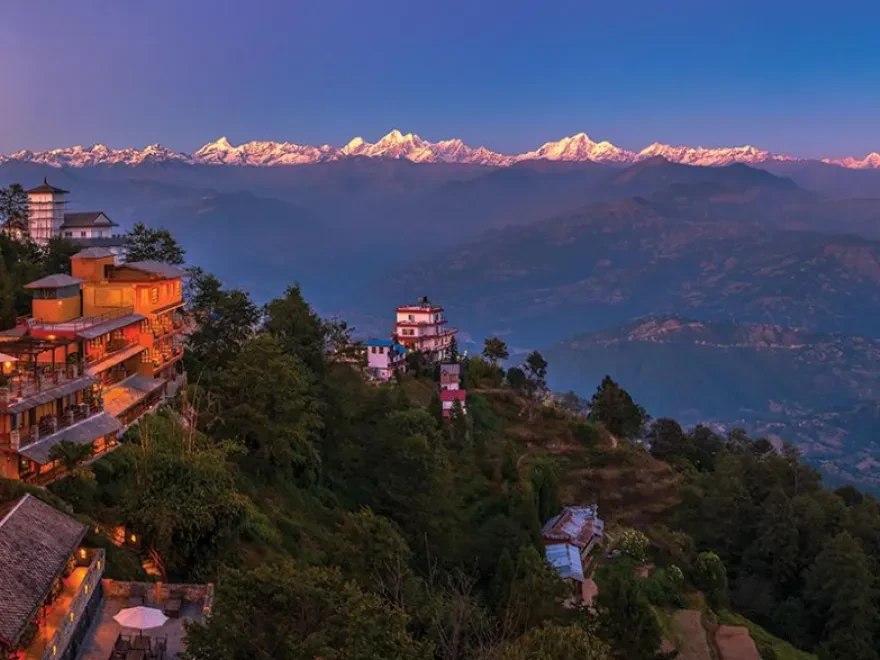
Kathmandu Valley, surrounded by mountains, is aptly named a "valley." Located at an altitude of 1,345 meters above sea level, it is a unique blend of natural beauty, cultural richness, and historical heritage. The valley comprises three major cities: Kathmandu (the capital of Nepal), Bhaktapur, and Patan (Lalitpur). While Kathmandu serves as the political and cultural heart of the nation, Bhaktapur and Patan lie nearby, each offering their own distinct charm.
All three cities are renowned for their ancient temples, palaces, art, architecture, and vibrant local traditions. A Kathmandu Valley tour typically includes sightseeing at major heritage sites, cultural experiences, and nature-based excursions, making it a perfect introduction to Nepal’s rich history and diverse culture.
Kathmandu City, the cultural and historical heart of Nepal, offers a fascinating journey through centuries-old traditions, architecture, art, and spirituality. Surrounded by the Himalayan landscape and located in the beautiful Kathmandu Valley at an elevation of approximately 1,345 meters, the city is a living museum where ancient heritage blends harmoniously with modern life. With Odea Services, the Heritage Tour in Kathmandu City is designed to provide travelers with an immersive experience of Nepal’s glorious past, vibrant culture, and remarkable craftsmanship.
The Kathmandu Valley is home to some of Nepal’s most significant UNESCO World Heritage Sites, including ancient temples, Buddhist stupas, royal palaces, and historic courtyards. This tour allows visitors to explore the artistic excellence of the Malla period, witness traditional Newari architecture, and experience the spiritual harmony created by Hindu and Buddhist traditions existing side by side for generations.
The Heritage Tour in Kathmandu City is ideal for travelers who wish to discover Nepal beyond mountains and trekking. It provides a perfect introduction to the country’s history, religion, lifestyle, and local traditions through guided sightseeing, cultural interactions, authentic cuisine, and photography opportunities.
Kathmandu can be visited throughout the year, but the best seasons for a Heritage Tour in Kathmandu City are spring (March to May) and autumn (September to November). During these months, the weather remains pleasant, with clear skies, comfortable temperatures, and excellent visibility for sightseeing and photography. These seasons provide the best conditions for exploring temples, historical squares, and outdoor cultural attractions.
Autumn is considered the peak travel season in Nepal because of its stable weather and crystal-clear mountain views. Visitors can enjoy walking tours around heritage sites without extreme heat or rainfall. Spring brings colorful flowers, fresh surroundings, and a lively atmosphere, making it another wonderful time to explore Kathmandu’s cultural treasures.
Winter (December to February) is also suitable for heritage sightseeing, especially for travelers who prefer fewer crowds and cooler temperatures. The mornings can be chilly, but sunny days offer excellent opportunities for exploring historical monuments. The monsoon season (June to August) brings rainfall, but the city remains culturally attractive with fewer tourists and greener landscapes.
Best Time to Visit:
Swoyambhunath Stupa (Monkey Temple)
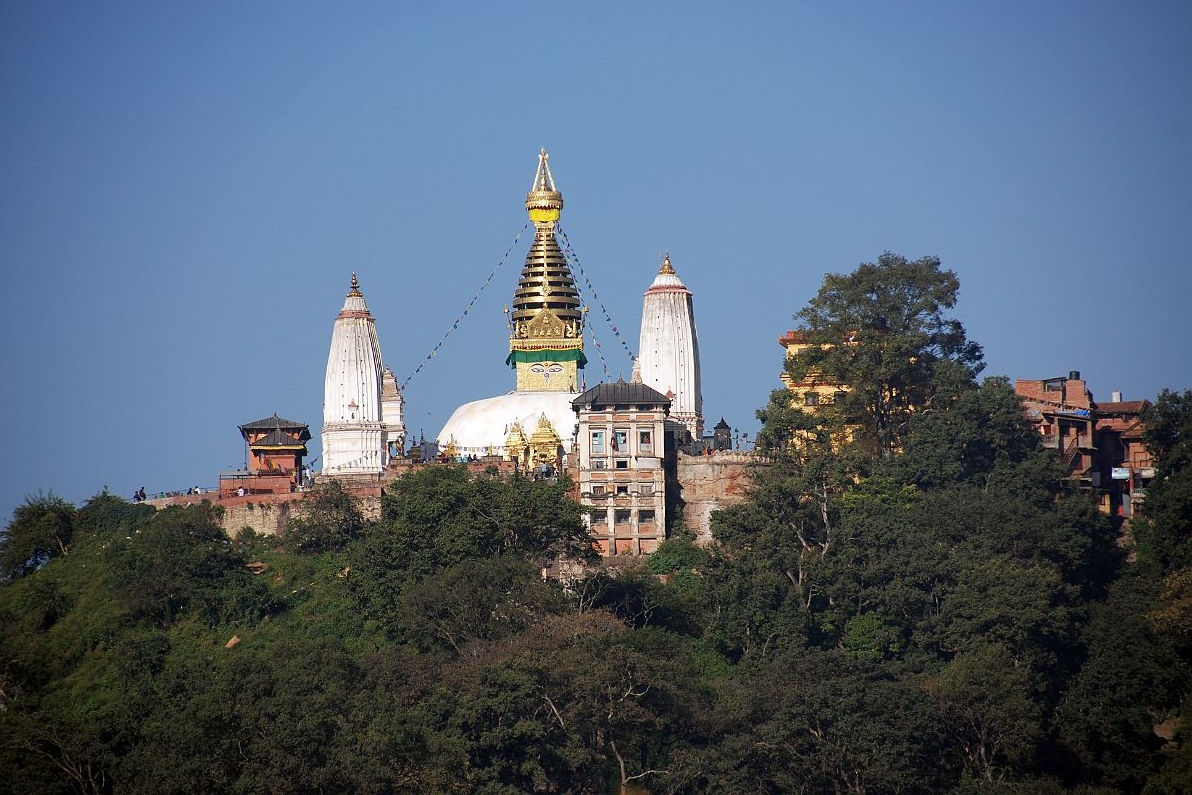
Swoyambhunath Stupa is one of the oldest and most respected Buddhist monuments in Nepal. Located on a hilltop overlooking Kathmandu Valley, this sacred site is famous for its iconic white dome, golden pinnacle, and the peaceful Buddha eyes painted on all four sides of the stupa. The monument represents wisdom, compassion, and spiritual awakening, attracting pilgrims and travelers from around the world.
Visitors can climb the ancient staircase leading to the top of the hill and enjoy breathtaking panoramic views of Kathmandu City. The area is decorated with prayer flags, small shrines, monasteries, and traditional sculptures. The presence of playful monkeys around the temple has given it the popular name “Monkey Temple.” Swoyambhunath provides a unique combination of spirituality, history, architecture, and natural beauty.
Boudhanath Stupa
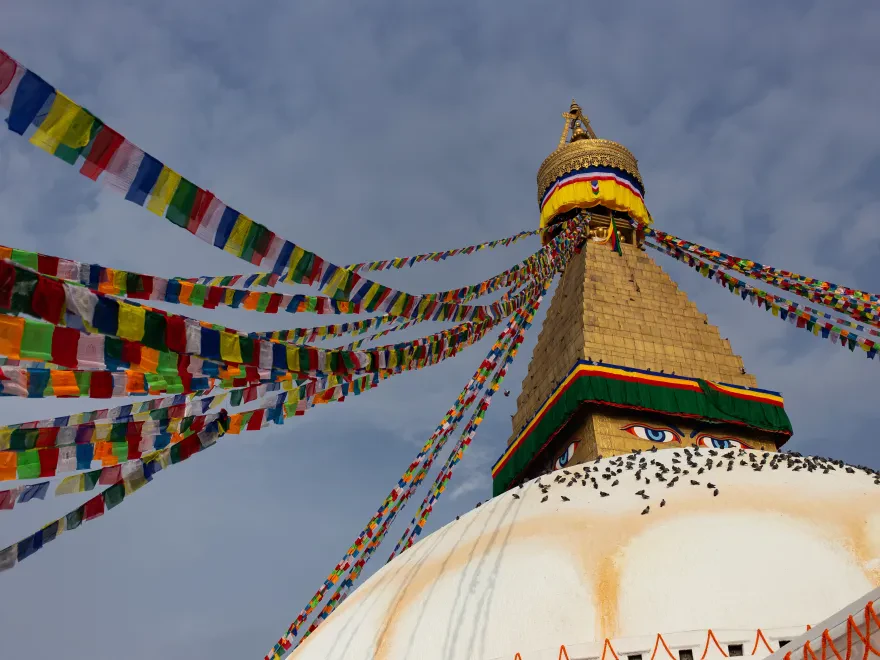
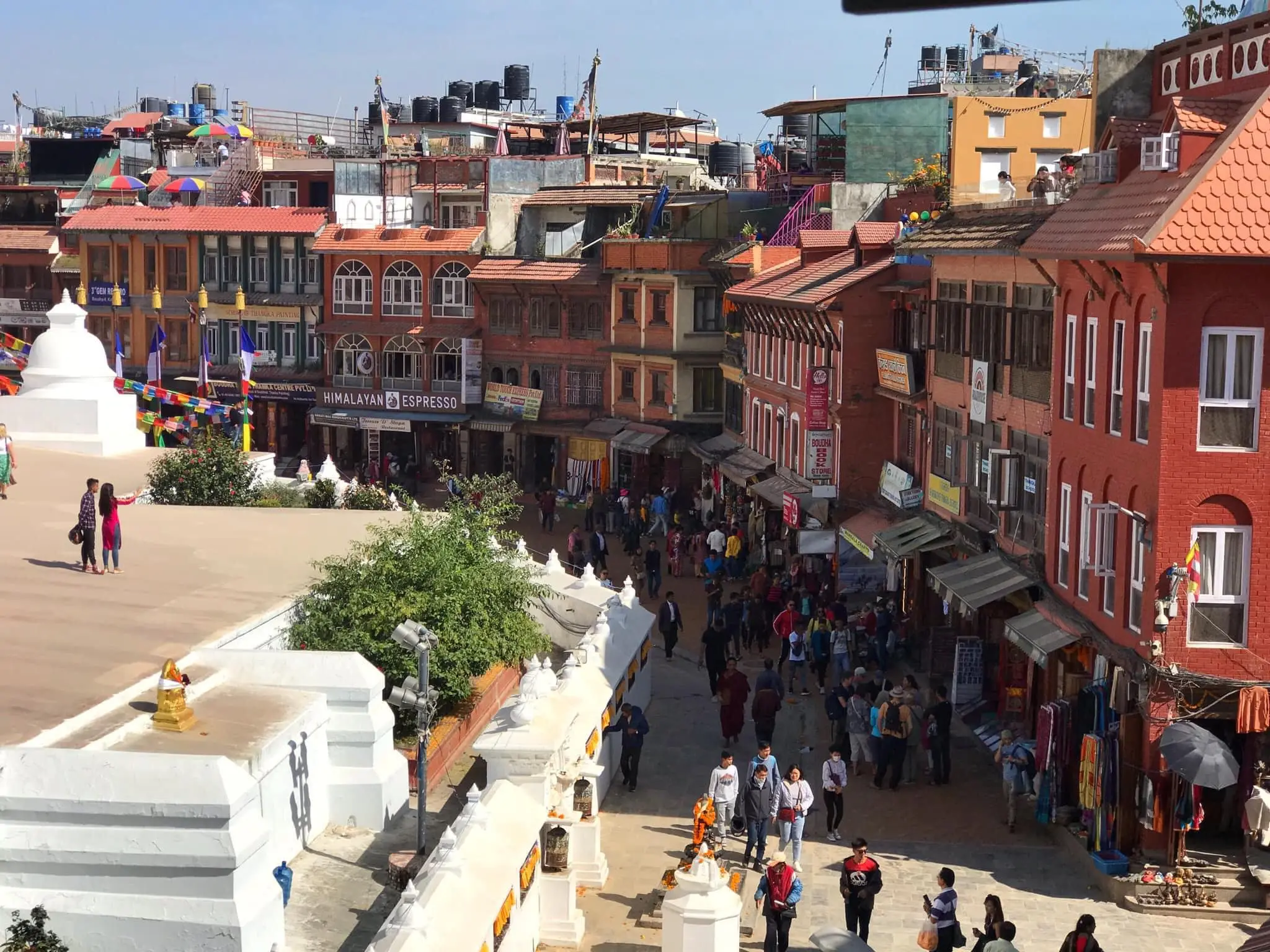
Boudhanath Stupa is one of the largest Buddhist stupas in the world and an important center of Tibetan Buddhism in Nepal. Located in northeastern Kathmandu, this magnificent structure features a massive white dome, a golden tower, colorful prayer flags, and a symbolic mandala design. The peaceful atmosphere around the stupa makes it one of the most memorable cultural attractions in Kathmandu.
Visitors can observe Buddhist monks performing prayers, pilgrims walking clockwise around the stupa, and local shops selling traditional handicrafts, prayer items, and Tibetan-inspired artwork. The surrounding area reflects Nepal’s rich Buddhist heritage and offers opportunities to experience meditation, spirituality, and local culture.
Patan Durbar Square (Lalitpur)
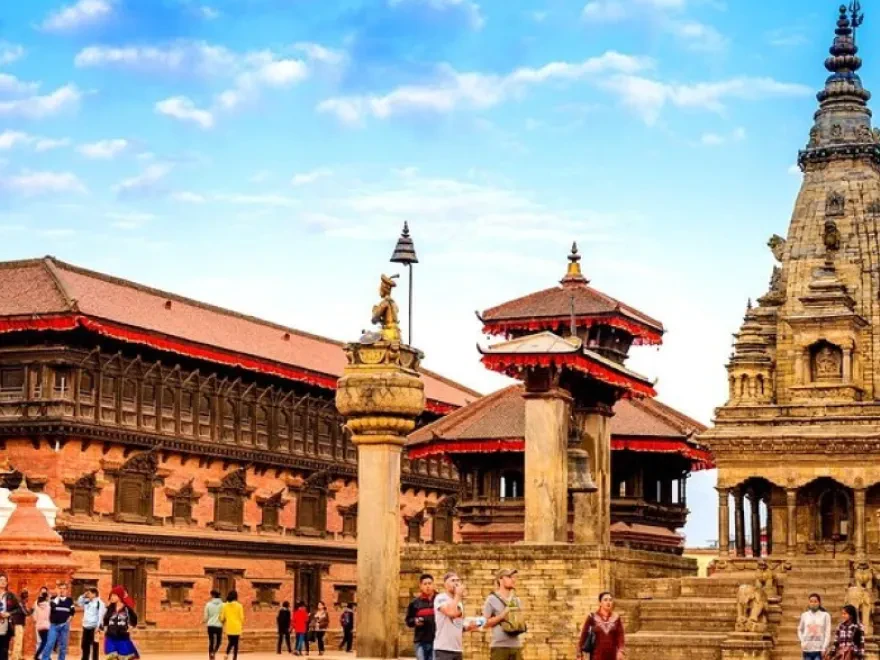
Patan Durbar Square, located in the historic city of Lalitpur, is a masterpiece of Newari architecture and ancient royal heritage. Once the royal palace of the Malla kings, this UNESCO World Heritage Site showcases beautifully carved temples, traditional courtyards, stone sculptures, and artistic excellence that has been preserved for centuries.
Major attractions include Krishna Mandir, Bhimsen Temple, Taleju Bhawani Temple, and the Patan Museum. The museum displays ancient sculptures, religious artifacts, and royal collections that explain Nepal’s artistic and cultural history. Visitors can explore narrow streets filled with traditional workshops where skilled artisans continue producing metal crafts, wood carvings, and handmade products.
Pashupatinath Temple
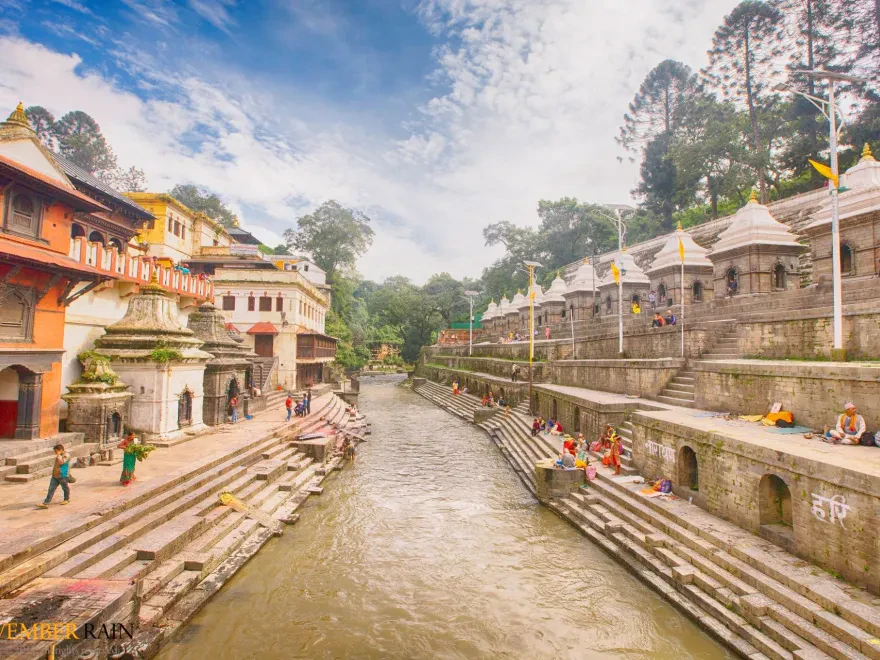
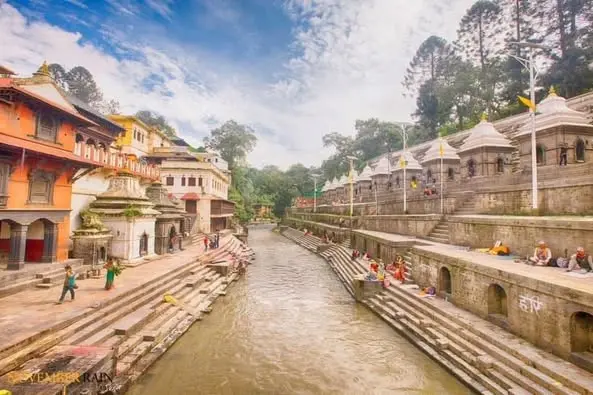
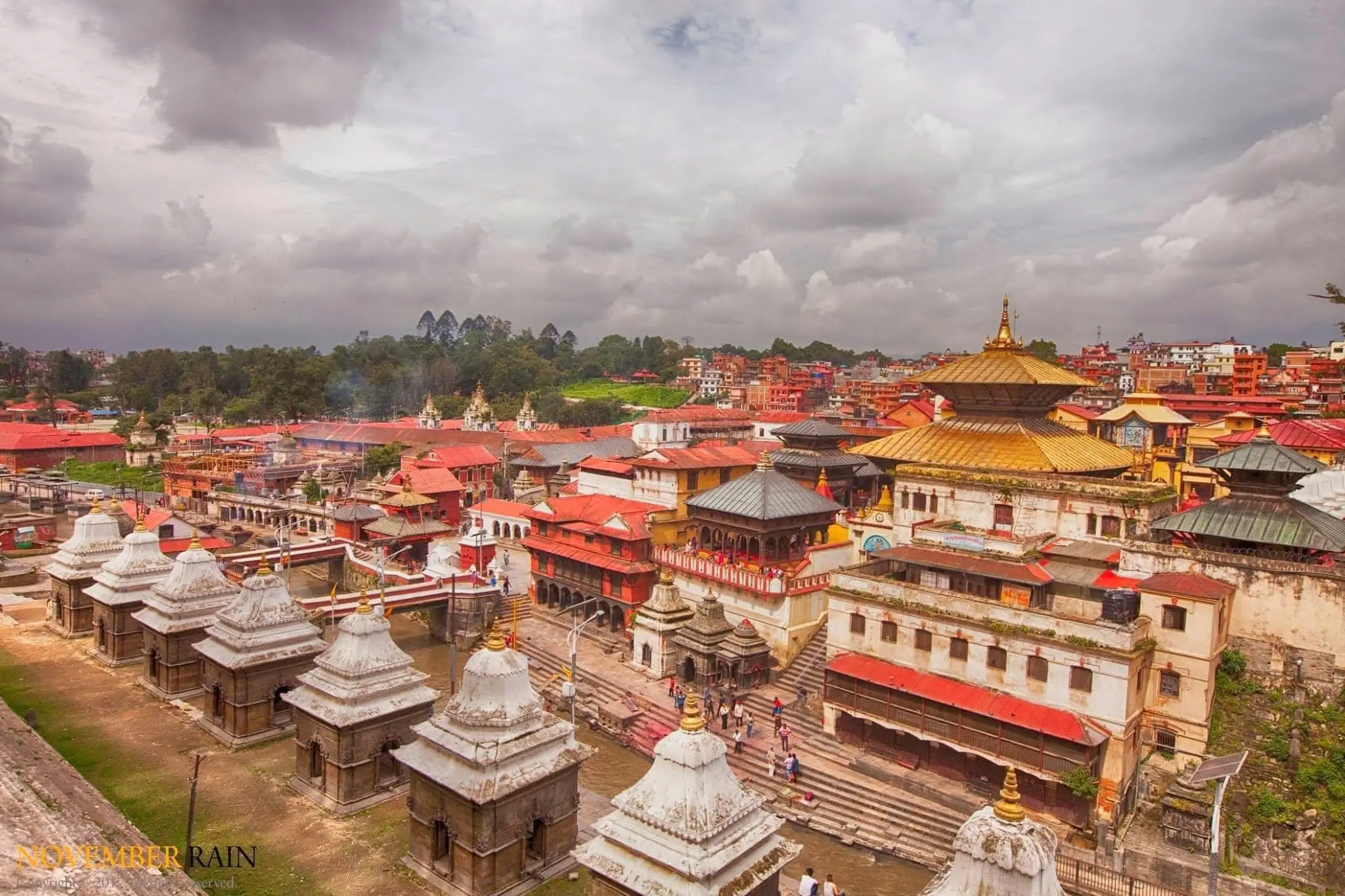
Pashupatinath Temple is Nepal’s most sacred Hindu temple and one of the most important religious sites in South Asia. Dedicated to Lord Shiva, this UNESCO World Heritage Site is located along the holy Bagmati River and represents centuries of Hindu spiritual traditions. The temple complex includes numerous shrines, statues, monasteries, and sacred spaces.
Visitors can observe traditional Hindu rituals, religious ceremonies, and cultural practices that have continued for generations. The evening Aarati ceremony beside the Bagmati River creates a deeply spiritual experience with lamps, prayers, and devotional music. Pashupatinath reflects the deep connection between religion, culture, and daily life in Nepal.
Choosing Odea Services for your Heritage Tour in Kathmandu City ensures a comfortable, informative, and memorable cultural journey through Nepal’s most treasured landmarks. Our experienced guides provide detailed historical insights, local stories, and cultural explanations that help travelers understand the true significance of each heritage site.
We focus on creating personalized travel experiences by combining sightseeing with authentic cultural encounters. From exploring ancient palaces and temples to enjoying local cuisine and traditional markets, Odea Services ensures that every moment of your Kathmandu heritage journey is meaningful and enjoyable.
Our professional approach, local expertise, and commitment to quality service make us an ideal choice for travelers seeking a deeper connection with Nepal’s history and traditions.
Why Travel with Odea Services:
With Odea Services, the Heritage Tour in Kathmandu City becomes more than a sightseeing trip—it becomes a journey through Nepal’s timeless culture, spirituality, and living history.
Things to Know Before Your Kathmandu Day Tour
 Accommodation NA
  Meals NA
  Max. altitude 1,345m / 4,413ft.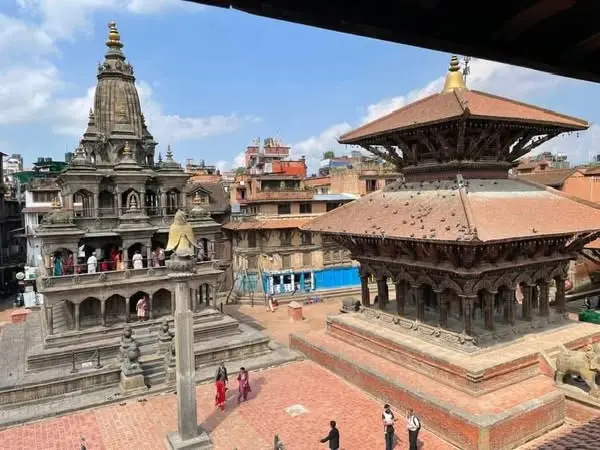
Your Start Date is the day you land in Nepal, and your End Date is when you fly home.
If the set Heritage Tour in Kathmandu City group dates don’t suit your schedule, we can offer alternative dates upon request.
The Heritage Tour in Kathmandu City is a cultural and historical journey designed to explore the rich heritage and architectural marvels of Nepal’s capital. This tour typically includes visits to several UNESCO World Heritage Sites, ancient temples, historic palaces, and vibrant local markets. It offers travelers an opportunity to delve into the unique traditions, art, and history of Kathmandu, making it ideal for those interested in cultural exploration.
Key highlights of the Heritage Tour often include visits to prominent sites such as Swayambhunath Stupa (the Monkey Temple), Pashupatinath Temple, Boudhanath Stupa, and the historic Durbar Squares of Kathmandu, Bhaktapur, and Patan. Each site offers unique insights into Nepalese culture, architecture, and religious practices. Travelers may also explore local artisan workshops, bustling markets, and enjoy traditional performances, providing a well-rounded cultural experience.
The Heritage Tour package generally includes round-trip transportation to and from your accommodation, entrance fees to various heritage sites, and guided tours led by knowledgeable local guides. Additionally, many packages offer daily breakfasts and the option to include lunch or dinner at local restaurants. The tour is designed to provide a comprehensive experience of Kathmandu's rich cultural landscape.
The best times to embark on the Heritage Tour in Kathmandu are during the spring (March to May) and autumn (September to November). During these seasons, the weather is mild, with clear skies that are perfect for sightseeing. Spring offers beautiful blooms, while autumn features vibrant local festivals that enhance the cultural experience.
Yes, travelers require a visa to enter Nepal. You can obtain a visa on arrival at Tribhuvan International Airport in Kathmandu or apply for an e-visa online before your trip. The process is straightforward, and our team can provide guidance on the necessary documentation to ensure a smooth arrival.
Booking the Heritage Tour is simple! You can visit our website or contact our customer service team for details about availability and pricing. Once you decide on your travel dates and itinerary, our team will assist you through the booking process, including payment options and necessary documentation. We are here to help you every step of the way to ensure a smooth and enjoyable journey.
Before traveling, it’s advisable to consult with a healthcare provider regarding vaccinations and health precautions. Common recommendations may include vaccinations for Hepatitis A, Typhoid, and Tetanus. Travelers should also be aware of altitude sickness if planning to visit higher elevations outside of Kathmandu. Staying hydrated and knowing the signs of altitude sickness are important for a safe journey.
Preparation for your trip involves several steps. Check the weather forecast for your travel dates and pack accordingly, including comfortable walking shoes, lightweight clothing for warm days, and warmer layers for cooler evenings. It’s also advisable to bring sunscreen, a reusable water bottle, and any personal medications. Familiarizing yourself with local customs and basic Nepali phrases can enhance your cultural experience.