Everest Region Trek
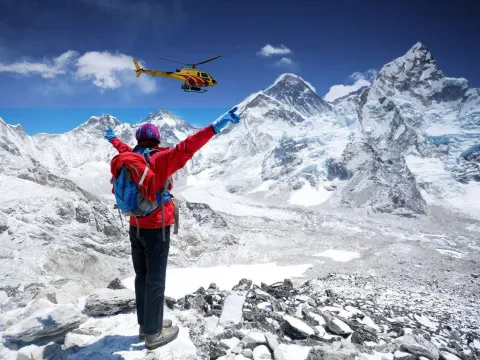
Everest Base Camp trek is one of the most famous and highly demanded trek in Nepal. The trails leads to the footsteps of Tenzing Norgay Sherpa and Edmund Hillary, the first Mount Everest summiteers. The scenic flight from Kathmandu to Lukla takes you through the most adventurous airport in the world. Everything in this trek is at an extreme level. The adventure, fun, the mesmerizing beauty of the glossy mountains, the captivating moments with snow, and the stay in the heart of the Himalayas all give the best pleasures of life. The ultimate challenge in the EBC trail is the altitude for which one needs to be prepared. Other than that, the panoramic view of the mountains, the mountain ranges from Kala patthar, the lifestyle of the bravest Sherpas, the drastic change in the culture and traditions, everything is truly exhilarating.EBC trek further offers the opportunities to go sightseeing around Sagarmatha National Park, a world heritage site which is a home to a variety of Himalayan floras and faunas, to get a closer look at the highest Buddhist monasteries in the world, and of course the most gratifying of them all, the walk to Everest Base Camp itself.Everest Base Camp Trekking Itinerary DetailsEverest Base Camp Trekking, arranged by Odea Services, is one of the most iconic and sought-after adventure journeys in the world. The trek follows a legendary route through the Khumbu region, leading trekkers to the base of the world’s highest peak, Mount Everest. Starting from the vibrant capital Kathmandu, the journey includes a thrilling flight to Lukla, widely known for its dramatic airport landing and breathtaking mountain views. From here, the trail winds through beautiful Sherpa villages, deep valleys, suspension bridges, and alpine landscapes that gradually open into the heart of the Himalayas.The trek passes through culturally rich destinations like Namche Bazaar, Tengboche Monastery, Dingboche, Lobuche, and Gorak Shep before reaching the ultimate destination, Everest Base Camp. One of the highlights is the climb to Kala Patthar, which offers the closest and most stunning panoramic view of Mount Everest. The journey is not just a physical adventure but also a cultural immersion into the lifestyle of the Sherpa people and their deep Buddhist traditions.Key highlights:Scenic flight to Lukla, one of the world’s most adventurous airportsTrek through Sagarmatha National Park ecosystemClose-up views of Everest and surrounding peaksRich Sherpa culture and monasteriesFinal destination: Everest Base Camp and Kala Patthar viewpointBest Season for Everest Base Camp TrekkingThe best seasons for Everest Base Camp Trekking organized by Odea Services are spring (March to May) and autumn (September to November). During these months, the weather is generally stable, skies are clear, and mountain visibility is at its best. Spring brings blooming rhododendrons and warmer temperatures, while autumn offers crisp air and crystal-clear views after the monsoon rains. These conditions make trekking safer, more enjoyable, and visually rewarding.Winter (December to February) is also possible but extremely cold, especially at higher elevations like Dingboche and above. Heavy snowfall may block trails, making the trek more challenging. Similarly, the monsoon season (June to August) brings rain, slippery trails, and poor visibility, especially affecting the flight to Lukla. However, each season has its unique charm, and experienced trekkers may still choose off-seasons for quieter trails.Seasonal highlights:Spring: Rhododendron forests, mild weather, busy trailsAutumn: Best visibility, stable weather, peak trekking seasonWinter: Quiet trails, extreme cold, snowy landscapesMonsoon: Green scenery, fewer trekkers, flight delays possibleChoosing the right season ensures a safer and more enjoyable experience while maximizing Himalayan views.Everest Base Camp Trekking Difficulty and TransportationThe Everest Base Camp Trekking adventure with Odea Services is considered a moderate to challenging trek due to high altitude and long walking hours. While no technical climbing is required, trekkers must walk 5–7 hours daily across rugged terrain and steep ascents. The major challenge is altitude sickness, especially after passing Namche Bazaar (3,441m) and moving toward higher villages like Dingboche (4,350m) and Lobuche (4,910m).The journey begins with a scenic but thrilling flight from Kathmandu to Lukla. This short flight is weather-dependent and often experiences delays. From Lukla, the trekking route includes suspension bridges, river valleys, and steep climbs leading to the Everest region. Proper acclimatization days, especially at Namche Bazaar, are essential to avoid altitude-related risks.Difficulty and transport summary:Moderate to strenuous trekking difficultyDaily walking: 5–7 hours on averageRisk: altitude sickness above 3,000mTransport: flight Kathmandu–Lukla + trekking on footSupport: experienced guides from Odea ServicesWith proper preparation and pacing, trekkers of good fitness levels can successfully complete the journey.Food and Accommodation for Everest Base Camp TrekkingDuring the Everest Base Camp Trekking journey arranged by Odea Services, accommodation and food are provided in traditional mountain teahouses. These lodges are simple but comfortable, offering basic facilities such as beds, blankets, and shared bathrooms. In lower regions like Namche Bazaar, accommodations are relatively more developed, while higher villages like Gorak Shep provide more basic shelter due to harsh conditions.Meals are typically served in teahouse dining halls, with menus including dal bhat (rice and lentils), noodles, soups, potatoes, pasta, and Tibetan bread. As altitude increases, food variety decreases due to transportation difficulty. Hot drinks like tea, coffee, and garlic soup are highly recommended to maintain energy and warmth. Clean drinking water is available but should be purified or boiled.Food & accommodation highlights:Teahouse lodging along the entire routeBasic rooms with shared facilities at higher altitudesNutritious meals designed for trekking energy needsLimited menu at higher elevationsHydration and warm food essential for altitude adaptationOdea Services ensures that trekkers receive safe, hygienic, and reliable services throughout the journey, making the challenging Himalayan environment more comfortable and manageable.Everest Base Camp Trekking PermitsFor Everest Base Camp Trekking with Odea Services, several official permits are required to enter and trek in the Everest region. These permits help maintain conservation efforts and regulate tourism in the protected Himalayan ecosystem. The main permits include the Sagarmatha National Park Entry Permit and the Khumbu Pasang Lhamu Rural Municipality Permit.The trek passes through Sagarmatha National Park, a UNESCO World Heritage Site known for its unique biodiversity and endangered Himalayan wildlife. Therefore, strict conservation rules are applied. Trekkers must carry valid identification and permits at all checkpoints, especially in areas like Namche Bazaar and surrounding villages.Required permits:Sagarmatha National Park Entry PermitKhumbu Pasang Lhamu Rural Municipality PermitTIMS card (in some regulated cases)Passport copy and passport-size photosOdea Services handles all necessary permit arrangements, ensuring a hassle-free trekking experience. This allows trekkers to focus fully on the adventure rather than administrative procedures.Why Choose Everest Base Camp Trekking with Odea ServicesChoosing Everest Base Camp Trekking with Odea Services ensures a well-organized, safe, and memorable Himalayan adventure. The trek is not only about reaching Everest Base Camp but also about experiencing the cultural richness, natural beauty, and personal achievement along the way. From expert guides to carefully planned itineraries, every detail is managed professionally.The itinerary includes proper acclimatization days, especially in places like Namche Bazaar and Dingboche, ensuring trekkers adapt safely to high altitude conditions. The journey also includes breathtaking viewpoints such as Kala Patthar, offering one of the best panoramic views of Mount Everest and surrounding peaks.Why choose Odea Services:Experienced local guides and portersWell-planned 15-day itinerarySafety-focused acclimatization schedulePermit handling and logistics supportCultural immersion and personalized serviceUltimately, this trek is a life-changing journey that combines adventure, endurance, and natural beauty, making it one of the most rewarding experiences in the world.
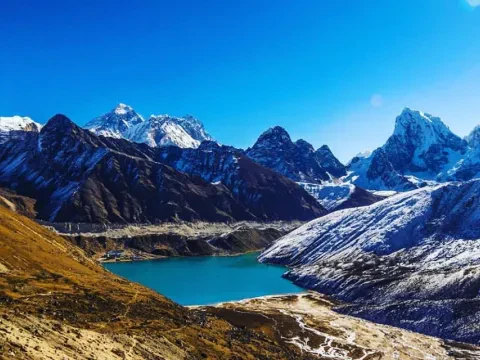
The Gokyo Valley and Everest Base Camp Trek falls under the famous Everest Circuit. This is the world renowned trekking trail of Nepal. Everyone is more than excited to see the highest mountain of the world, the Mt. Everest. In this trek one can experience the most adventurous airport, the Lukla airport situated at the highest altitude. The trekking trails go along the beautiful DudhKoshi River, many suspension bridges laden with prayer flags, the beautiful hills, and the highlight, the accompanying Himalayas. This trip also takes you to the home of the legendary Sherpa people, based at the foothills of the highest peak in the world, Mt. Everest at 8,848m.The Gokyo and the Khumbu valleys are debatably the most impressive and interesting of the Everest region. This trekking explores the friendly Sherpa villages, monasteries, wildlife and dramatic mountain scenery of the area.The other highlights of this trek is the high pass Cho La Pass situated at the height of 5,363 m, one of the three high passes at the Everest circuit. In this trek one is able to go to the viewpoints, GokyoRi and Kala Pathhar from where the scenery is exhilarating and impressive. The blue turquoise water of the Gokyo Lake is heavenly and the series of Lakes breath taking. Words are never enough to explain this trip which is why come and be a part of this trek with Odea Services and have the experience of a lifetime.Best Season for Everest Base Camp and Gokyo Lakes TrekThe Everest Base Camp and Gokyo Lakes Trek is one of the most spectacular trekking adventures in Nepal, offering a combination of high Himalayan landscapes, Sherpa culture, glacial lakes, and the world’s highest mountain, Mt. Everest. Choosing the right season is very important for a safe, comfortable, and memorable trekking experience. At Odea Services, we recommend planning this trek during the best weather periods when the mountain views are clear, trails are stable, and trekking conditions are favorable.The two best seasons for the Everest Base Camp and Gokyo Lakes Trek are spring (March to May) and autumn (September to November). During these months, the skies are generally clear, temperatures are comfortable, and trekkers can enjoy breathtaking panoramic views of Everest, Lhotse, Cho Oyu, Makalu, Ama Dablam, and other Himalayan peaks.Spring Season (March to May):Spring is one of the most beautiful times to trek in the Everest region. The entire trail comes alive with blooming rhododendron forests, colorful flowers, and pleasant weather. The temperature gradually increases, making high-altitude trekking more comfortable.Highlights of spring trekking:Clear mountain views and excellent photography opportunitiesColorful rhododendron forests along the trekking routeStable weather conditionsLess freezing temperatures compared to winterOpportunity to experience Everest expedition activitiesAutumn Season (September to November):Autumn is considered the best trekking season in Nepal because of its excellent visibility and stable climate. After the monsoon season, the atmosphere becomes fresh and clean, providing some of the clearest views of the Himalayas.Highlights of autumn trekking:Crystal-clear views of Everest and surrounding peaksComfortable daytime temperaturesDry trails and fewer weather challengesPerfect conditions for crossing Cho La PassOpportunity to experience local festivals and Sherpa cultureWinter (December to February) and monsoon (June to August) trekking are possible but require more preparation due to cold temperatures, snow, and unpredictable weather. With proper planning and experienced guides from Odea Services, trekkers can still enjoy an incredible Himalayan adventure throughout the year.Everest Base Camp and Gokyo Lakes Trek Difficulty and TransportationThe Everest Base Camp and Gokyo Lakes Trek is considered a challenging high-altitude trekking adventure in Nepal. The journey covers remote mountain landscapes, steep ascents and descents, glacier crossings, and high passes, including the famous Cho La Pass at 5,363 meters. This trek is suitable for trekkers with good physical fitness, strong determination, and a willingness to walk several hours daily in changing mountain conditions.The trek reaches some of the highest points in the Everest region, including Everest Base Camp (5,364m) and Kala Patthar (5,545m), where trekkers experience unforgettable views of Mt. Everest and the surrounding Himalayan giants. Proper acclimatization days, gradual altitude gain, and guidance from experienced professionals make the journey safer and more enjoyable.Everest Base Camp and Gokyo Lakes Trek Difficulty Factors:High altitude trekking above 5,000 metersWalking approximately 5–8 hours per daySteep uphill and downhill sectionsCrossing Cho La Pass with possible snow conditionsRemote mountain trails and changing weatherNeed for proper acclimatization and physical preparationTransportation During the Trek:The adventure begins with a scenic flight from Kathmandu to Lukla, one of the most famous mountain airports in the world. The 35-minute flight offers incredible views of the Himalayan range and provides the gateway to the Everest region.Odea Services arranges all necessary transportation, including airport transfers, domestic flights, and local support throughout the journey.Transportation includes:Airport pickup and drop-off in KathmanduKathmandu–Lukla–Kathmandu scenic mountain flightsPrivate vehicle transfers in KathmanduTrekking support arrangementsExperienced guides and porters throughout the routeFood and Accommodation for Everest Base Camp and Gokyo Lakes TrekDuring the Everest Base Camp and Gokyo Lakes Trek, trekkers experience a combination of local Himalayan hospitality and comfortable mountain accommodation. Odea Services carefully selects quality teahouses and lodges along the trekking route to ensure trekkers receive safe, clean, and comfortable places to rest after long days of walking.The teahouses in the Everest region provide basic but cozy accommodation with warm dining areas, comfortable beds, and beautiful mountain surroundings. While facilities become more basic at higher elevations, the friendly Sherpa hospitality makes the experience unique and memorable.Accommodation Features:Comfortable teahouse and lodge staysTwin-sharing rooms during the trekClean beds and blanketsDining areas with heating facilitiesTraditional Sherpa village experiencesHotel accommodation in Kathmandu before and after trekkingFood plays an important role in maintaining energy during high-altitude trekking. The trekking lodges offer a variety of nutritious meals including traditional Nepali food, Tibetan dishes, and some international options.Food options include:Traditional Dal Bhat (rice, lentils, and vegetables)Noodles, pasta, and soupsTibetan bread and pancakesMomos (Nepali/Tibetan dumplings)Eggs, vegetables, and seasonal foodsTea, coffee, and hot beveragesOdea Services ensures trekkers receive hygienic meals and proper nutrition throughout the trek to support their physical performance and comfort.Everest Base Camp and Gokyo Lakes Trek PermitsThe Everest Base Camp and Gokyo Lakes Trek takes place inside the protected Himalayan region of Nepal, and trekkers require several permits before entering the trekking area. These permits help preserve the natural environment, support local communities, and regulate tourism activities in the Everest region.Odea Services manages all necessary trekking permits and documentation, allowing trekkers to focus completely on enjoying their Himalayan adventure without worrying about administrative procedures.Required Permits for Everest Base Camp and Gokyo Lakes Trek:Sagarmatha National Park Permit:This permit is required because the trekking route passes through Sagarmatha National Park, a UNESCO World Heritage Site known for its unique biodiversity, glaciers, and Himalayan landscapes.Khumbu Pasang Lhamu Rural Municipality Permit:This local government permit supports the development and conservation of the Everest region while helping maintain trekking infrastructure.Other Important Documents:Valid passport detailsTravel insurance covering high-altitude trekkingEmergency contact informationFlight and accommodation arrangementsOdea Services assists trekkers in completing all permit requirements before and during the trek, ensuring a smooth and hassle-free trekking experience.Why Choose Everest Base Camp and Gokyo Lakes Trek with Odea Services?The Everest Base Camp and Gokyo Lakes Trek with Odea Services offers an unforgettable Himalayan experience combining adventure, natural beauty, cultural exploration, and professional trekking support. This trek is not only about reaching Everest Base Camp but also about exploring the hidden beauty of the Gokyo Valley, turquoise Himalayan lakes, ancient monasteries, and traditional Sherpa villages.Odea Services provides carefully designed trekking packages with experienced local guides, reliable support, and personalized service. Our goal is to make every trekker’s journey safe, comfortable, and memorable while allowing them to fully experience the beauty of the Everest region.Reasons to Choose Odea Services:Experienced and professional trekking guidesWell-planned itinerary with proper acclimatizationComplete permit and transportation arrangementsQuality accommodation and food managementSafety-focused trekking approachLocal Sherpa knowledge and cultural insightsPersonalized service and customer supportAffordable and reliable trekking packagesThe Everest Base Camp and Gokyo Lakes Trek is a once-in-a-lifetime adventure that combines the world’s highest mountains, breathtaking landscapes, and authentic Himalayan culture. With Odea Services, trekkers can experience this legendary journey with confidence, comfort, and unforgettable memories.
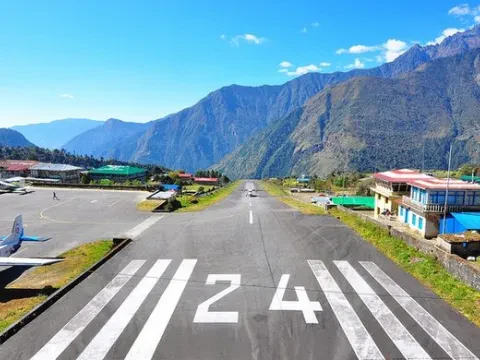
Everest View Trekking is one of the most rewarding short trekking adventures in the Everest region of Nepal, designed for travelers who want to experience the beauty of the Himalayas, Sherpa culture, and breathtaking views of Mount Everest without reaching Everest Base Camp. Organized by Odea Services, this trek offers an unforgettable journey through the legendary Khumbu region, where ancient monasteries, charming Sherpa villages, colorful prayer flags, and spectacular mountain landscapes create a truly unique Himalayan experience.The journey begins with a scenic mountain flight from Kathmandu to Lukla, one of the world’s most exciting airports. From Lukla, the trail follows the beautiful Dudh Koshi River valley, crossing suspension bridges decorated with Buddhist prayer flags and passing through traditional villages like Phakding, Namche Bazaar, and Tengboche. The trek reaches an altitude of approximately 3,870 meters, offering magnificent views of Everest, Lhotse, Ama Dablam, Thamserku, and other Himalayan peaks.During the trek, travelers experience the warm hospitality of the Sherpa community and explore their rich traditions, Buddhist monasteries, and mountain lifestyle. The highlight of the trek is the viewpoint near Everest View Hotel, where visitors can enjoy panoramic views of the Everest range with stunning sunrise and sunset scenery.Scenic Kathmandu–Lukla–Kathmandu mountain flights.Amazing views of Mount Everest and surrounding Himalayan peaks.Visit to the famous Namche Bazaar, the gateway to Everest.Explore Tengboche Monastery, one of the most important monasteries in the region.Experience authentic Sherpa culture, traditions, and hospitality.Walk through Sagarmatha National Park, a UNESCO World Heritage Site.Suitable for travelers with limited time who want a Himalayan adventure.Best Season for Everest View TrekkingChoosing the right season is important for enjoying clear mountain views, comfortable walking conditions, and a safe trekking experience. Everest View Trekking can be organized throughout the year, but spring and autumn are considered the best seasons because of stable weather, pleasant temperatures, and excellent visibility.Spring Season (March to May) is one of the most popular times for the Everest View Trek. During this period, the Himalayan trails are decorated with blooming rhododendron flowers, and the weather remains comfortable for walking. The clear skies provide excellent views of Everest and surrounding peaks.Autumn Season (September to November) is considered the best trekking season in Nepal. After the monsoon season, the atmosphere becomes clean and fresh, offering crystal-clear mountain views. The trails are lively with trekkers, and the weather is generally dry and stable.Winter (December to February) is also possible for experienced trekkers who enjoy peaceful trails and snowy landscapes. However, temperatures can be very cold at higher elevations. The monsoon season (June to August) brings rainfall and cloudy conditions, making mountain views less predictable.Best Seasons for Everest View Trekking:Spring (March–May): Clear mountain views and beautiful flowers.Autumn (September–November): Best weather and visibility.Winter (December–February): Quiet trails and snowy scenery.Monsoon (June–August): Less recommended due to rain and cloud cover.Everest View Trekking Difficulty and TransportationEverest View Trekking is considered a moderate-level trek suitable for travelers with average fitness levels. Unlike longer Everest Base Camp trekking routes, this trek requires fewer days and does not involve extreme altitude challenges. However, trekkers should be prepared for uphill and downhill walking, uneven mountain trails, and changing weather conditions.The highest point of the trek is around 3,870 meters, where altitude awareness is important. Proper acclimatization at Namche Bazaar helps the body adjust to the increasing elevation. Regular walking practice, cardiovascular training, and maintaining a comfortable pace are recommended before starting the trek.Transportation for Everest View Trekking is an exciting part of the adventure. The trek starts with a scenic 35-minute flight from Kathmandu to Lukla, offering spectacular views of Himalayan peaks. After completing the trek, travelers take the same scenic flight back from Lukla to Kathmandu.Difficulty and Transportation Features:Moderate trekking difficulty suitable for beginners with good fitness.Daily walking duration is approximately 4–6 hours.Maximum altitude reaches around 3,870 meters.Scenic Kathmandu–Lukla mountain flight included.Experienced trekking guides and support staff are provided by Odea Services.A proper acclimatization schedule to reduce altitude-related risks.Food and Accommodation for Everest View TrekkingDuring the Everest View Trekking journey, Odea Services provides comfortable accommodation and nutritious meals to ensure a pleasant trekking experience. Accommodation is arranged in quality hotels in Kathmandu and traditional teahouses or guesthouses during the mountain journey.In Kathmandu, travelers stay in comfortable 3-star category hotels with modern facilities. During the trek, overnight stays are arranged in local teahouses that provide a warm atmosphere, basic facilities, and an opportunity to experience authentic Himalayan hospitality.Meals during the trek include healthy and energy-rich food suitable for long walking days. Breakfast, lunch, and dinner are provided throughout the trekking period. Trekkers can enjoy traditional Nepali dishes as well as international options available at teahouses.Food and Accommodation Includes:Comfortable hotel stay in Kathmandu.Traditional teahouse accommodation during trekking.Breakfast, lunch, and dinner during trekking days.Fresh and hygienic meals prepared according to trekking conditions.Opportunity to experience the local Sherpa lifestyle.Warm hospitality from mountain communities.Everest View Trekking PermitsEverest View Trekking takes place inside the Everest region, which requires specific trekking permits and entrance documents. Odea Services manages the necessary permits to ensure a smooth and legally approved trekking experience.Trekkers need permits mainly for entering the protected areas of the Everest region. These permits support conservation activities, environmental protection, and the development of local communities.Required Permits for Everest View Trekking:Sagarmatha National Park Entry Permit: Required to enter the Everest region protected area.Khumbu Pasang Lhamu Rural Municipality Permit: Required for trekking in the local Khumbu area.TIMS Card (depending on current government regulations).Odea Services assists travelers with all necessary documentation before and during the trek, allowing guests to focus on enjoying the Himalayan adventure.Why Choose Everest View Trekking with Odea ServicesChoosing the right trekking company is essential for a safe, comfortable, and memorable Himalayan journey. Odea Services provides professionally organized Everest View Trekking packages with experienced guides, reliable arrangements, and personalized services designed to meet the needs of international travelers.With experienced local trekking professionals, Odea Services ensures that every part of the journey is carefully planned, from airport transfers and mountain flights to accommodation, meals, permits, and trekking support. The company focuses on responsible tourism while providing travelers with authentic cultural experiences and breathtaking Himalayan adventures.Why Choose Odea Services for Everest View Trekking:Experienced and knowledgeable local trekking guides.Well-planned itinerary with proper acclimatization.Safe transportation and reliable mountain flight arrangements.Assistance with all trekking permits and documentation.Comfortable accommodation and quality meals.Authentic experience of Sherpa culture and Himalayan traditions.Personalized service and customer-focused trekking management.Commitment to safe, responsible, and memorable travel experiences.Everest View Trekking with Odea Services is the perfect choice for travelers who dream of seeing Mount Everest, exploring the Himalayan landscape, and experiencing Nepal’s legendary mountain culture within a comfortable and achievable trekking schedule.
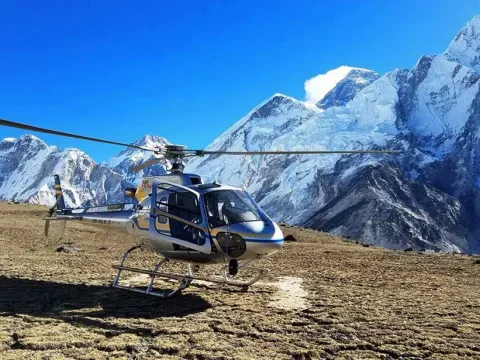
Experience the breathtaking beauty of the world’s highest mountain region with Everest Base Camp Helicopter Tours by Odea Services. This unforgettable aerial adventure offers a unique opportunity to explore the Everest region in comfort, safety, and luxury without the physical challenges of a long trekking journey. The tour begins with an early morning hotel pickup in Kathmandu, followed by a short transfer to the domestic airport. From there, you will embark on a scenic helicopter flight toward the legendary Everest region.The journey starts with a flight from Kathmandu to Lukla, the famous gateway to the Everest region, where the helicopter makes a short refueling stop. Continuing the adventure, the helicopter flies over the spectacular Himalayan landscapes toward Kala Patthar, one of the best viewpoints to witness Mount Everest up close. At an altitude of approximately 5,545 meters, Kala Patthar provides an incredible panoramic view of Everest, Lhotse, Nuptse, Pumori, Khumbu Glacier, and other magnificent Himalayan peaks.After exploring the Kala Patthar area and capturing unforgettable photographs, the helicopter continues toward Syangboche, where guests enjoy a delicious breakfast at the world-renowned Everest View Hotel. Surrounded by breathtaking mountain scenery, this is one of the most memorable dining experiences in the Himalayas. After breakfast, the flight returns through Lukla and back to Kathmandu, followed by a comfortable transfer to your hotel.Scenic helicopter flight from Kathmandu to the Everest regionLanding at Kala Patthar with a close view of Mount EverestSpectacular aerial views of Everest Base Camp and Khumbu GlacierBreakfast at Everest View Hotel, one of the highest luxury hotels in the worldViews of Mt. Everest, Lhotse, Nuptse, Cho Oyu, Pumori, and many more peaksExperience the Himalayan landscape without long trekking daysLearn about Sherpa culture and the beauty of the Khumbu regionBest Season for Everest Base Camp Helicopter ToursThe best seasons for the Everest Base Camp Helicopter Tour with Odea Services are generally from January to May and September to December. During these months, the Himalayan weather is more stable, offering clear skies, excellent visibility, and breathtaking mountain views. The dry seasons provide the perfect conditions for helicopter flights, photography, and enjoying the spectacular scenery of the Everest region.The spring season, from March to May, is especially popular because the weather remains pleasant, and the mountains are clearly visible. The landscape becomes more vibrant with blooming rhododendron forests in the lower Himalayan areas. Autumn, from September to November, is another ideal period because of crystal-clear views, comfortable temperatures, and excellent flying conditions after the monsoon season.Winter months from December to February can also provide stunning views with fresh snow covering the Himalayan peaks. Although temperatures are colder, the skies are often clear, making it a rewarding time for travelers seeking peaceful surroundings and exceptional mountain photography.Best Time Highlights:January – May: Clear mountain views and stable flying conditionsSeptember – December: Excellent visibility and comfortable weatherBest seasons for photography and sightseeingReduced chances of flight disruptionsPerfect opportunity to experience Everest from aboveWhy Choose Everest Base Camp Helicopter Tours with Odea Services?Choosing Odea Services for your Everest Base Camp Helicopter Tour ensures a safe, comfortable, and professionally organized Himalayan adventure. We focus on providing travelers with a memorable experience through reliable transportation, experienced coordination, and carefully planned itineraries. Our team manages every detail, from hotel pickup and airport transfers to flight arrangements, allowing guests to enjoy a stress-free journey.Unlike traditional Everest trekking, this helicopter tour allows you to reach the heart of the Everest region within a few hours. You can experience the beauty of the Himalayas, stand at Kala Patthar, fly over Everest Base Camp, and admire the Khumbu Glacier without spending weeks on challenging trails. This makes the tour ideal for travelers with limited time, families, senior travelers, and adventure seekers who want a luxurious Himalayan experience.Odea Services prioritizes safety and customer satisfaction by working with experienced helicopter operators and professional pilots familiar with high-altitude flights. In case of flight cancellation due to unfavorable weather conditions, we provide a full refund according to the tour policy. Our goal is to make your Everest experience comfortable, secure, and unforgettable.Why Travel with Odea Services:Professional tour management and reliable serviceSafe and comfortable helicopter journeyExperienced Himalayan flight coordinationClose-up views of Mount Everest and surrounding peaksTime-saving alternative to Everest trekkingLuxury Himalayan experience with breakfast at Everest View HotelFull refund policy for weather-related flight cancellationsPersonalized service for a memorable adventureEverest Base Camp Helicopter Tour with Odea Services is more than just a sightseeing flight; it is a once-in-a-lifetime journey into the heart of the Himalayas. From the breathtaking views of Mount Everest to the unforgettable landing at Kala Patthar, every moment offers a magical experience that stays with you forever. Whether you are an adventure lover, photographer, or traveler seeking a unique Nepal experience, this helicopter tour is the perfect way to witness the grandeur of the Everest region.
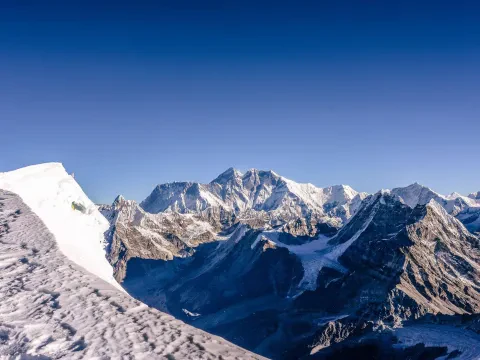
Mera Peak stands 6476 meters high and is considered one of the major, most popular trekking peaks in Nepal. It lies in the Khumbu Himalayan Range. The trail winds amongst forests of pine and rhododendrons in this remote and uninhabited valley lead to the alpine Environment of Mera Base Camp. The Peak itself rises to the south of Everest. The ascent of the peak is technically straightforward, however heavy snow and a maze of crevasses can make our journey a long way to the summit.Besides the charm of climbing Mera Peak, the trek to base camp from Lukla is rewarding to experience rare un-spoilt regions of Nepal with densely forested hillsides. Mera Peak is classified as a trekking peak in Nepal which means it is also accessible for non-climbers, although trekking and basic experience is preferred. The necessary techniques and safety rules will be instructed to new trekkers during the route. Second reason is that from Mera Peak one can observe the major five peaks over 8000m from summit: Mt. Everest, Lhotse, Cho Oyo, Makalu, and Kanchenjunga. The weather and the condition of snow must be good for the safety and success of summit.Mera Peak Climbing OverviewMera Peak Climbing is one of the most exciting and rewarding trekking peak adventures in Nepal, offering an incredible combination of Himalayan trekking, high-altitude climbing experience, and breathtaking mountain scenery. Standing at an elevation of 6,476 meters, Mera Peak is the highest officially recognized trekking peak in Nepal. Located in the remote and beautiful Khumbu Himalayan region, south of Mount Everest, the peak provides an outstanding opportunity for adventure seekers who wish to experience Himalayan mountaineering without requiring advanced technical climbing skills.The journey to Mera Peak begins with a scenic flight from Kathmandu to Lukla and continues through peaceful Sherpa villages, dense rhododendron and pine forests, remote valleys, and untouched alpine landscapes. Unlike the busy Everest Base Camp route, the Mera Peak trail takes climbers through less crowded and pristine regions, allowing them to experience authentic Himalayan culture and nature.The climbing route is considered technically straightforward compared to other Himalayan peaks, but the high altitude, glacier crossings, heavy snowfall, and crevasse sections make it a challenging and rewarding expedition. Odea Services provides experienced climbing guides, proper acclimatization schedules, safety support, and climbing instructions to help both beginner and experienced climbers successfully reach the summit.From the summit of Mera Peak, climbers are rewarded with one of the most spectacular panoramic views in the Himalayas. On a clear day, you can witness some of the world's highest mountains, including Mount Everest, Lhotse, Cho Oyu, Makalu, and Kanchenjunga.Highest point: 6,476 metersFirst ascent: May 20, 1953, by Col. Jimmy Roberts and Sen TenzingLocation: Khumbu Himalayan Region, NepalDuration: Approximately 22 daysBest for: Adventure trekkers, beginner climbers, and experienced mountaineersStunning views of five mountains above 8,000 metersRemote Himalayan landscapes and authentic Sherpa cultureBest Season for Mera Peak ClimbingChoosing the right season is one of the most important factors for a successful Mera Peak Climbing expedition. Nepal experiences different weather conditions throughout the year, and climbing a high-altitude peak requires stable weather, clear visibility, and favorable snow conditions.The best seasons for Mera Peak Climbing are spring (March to May) and autumn (September to November). During these months, the weather is generally stable, the skies are clear, and mountain views are excellent. Spring offers colorful rhododendron forests, warmer temperatures, and longer daylight hours, making it one of the most beautiful times to trek toward Mera Base Camp.Autumn is another ideal season because of the dry weather, excellent visibility, and comfortable trekking conditions. After the monsoon season, the atmosphere becomes clear, providing magnificent views of Everest, Makalu, Lhotse, and surrounding peaks.Winter climbing is possible for experienced climbers, but extreme cold, strong winds, and heavy snowfall make the expedition more challenging. The monsoon season is generally avoided because rain, clouds, and flight delays can affect the trekking schedule.Best Seasons:Spring (March–May): Best mountain views, colorful landscapes, stable weatherAutumn (September–November): Clear skies, dry trails, ideal climbing conditionsWinter (December–February): Possible but more challenging due to cold temperaturesMonsoon (June–August): Less recommended due to rain and unstable weatherMera Peak Climbing Difficulty and TransportationMera Peak Climbing is classified as a trekking peak in Nepal, making it accessible to climbers with basic mountaineering knowledge and good physical fitness. Although the technical climbing requirements are moderate, the altitude makes the expedition demanding. Climbers should be prepared for long trekking days, glacier walking, cold temperatures, and reduced oxygen levels at higher elevations.The major challenges include crossing the Mera Glacier, climbing steep snow slopes, adjusting to high altitude, and managing unpredictable Himalayan weather. Odea Services follows a carefully designed itinerary with acclimatization days at Lukla and Thagnak to allow climbers' bodies to adjust gradually to increasing elevation.Basic climbing skills such as using crampons, ice axes, ropes, and glacier safety techniques are introduced and practiced before the summit attempt. Our experienced guides ensure that climbers understand safety procedures and climbing techniques before reaching higher camps.Difficulty Level:Grade: Moderate to challenging trekking peakMaximum altitude: 6,476 metersRequires good physical fitness and enduranceBasic mountaineering training is recommendedGlacier crossing and high-altitude climbing involvedProper acclimatization requiredTransportation During the Expedition:International arrival and departure support in KathmanduScenic flight: Kathmandu to Lukla (approximately 35 minutes)Private vehicle transfers in KathmanduTrekking transportation by walking trailsHelicopter rescue assistance available when required (additional cost)Food and Accommodation for Mera Peak ClimbingDuring the Mera Peak Climbing expedition, Odea Services provides carefully arranged meals and accommodation to ensure climbers remain healthy and energized throughout the journey. Nutrition plays an important role at high altitudes, so meals are prepared with a focus on providing enough carbohydrates, protein, and energy for trekking and climbing activities.During the trekking section, accommodation is provided in comfortable local teahouses operated by Sherpa families. These lodges provide basic but warm facilities, including dining areas, shared rooms, and traditional Himalayan hospitality. At Mera Base Camp, High Camp, and other remote areas, accommodation is arranged in well-managed camping facilities.Meals include a variety of local and international dishes. Climbers can enjoy traditional Nepali food along with common trekking meals suitable for high-altitude environments.Food Includes:Breakfast, lunch, and dinner during the trekTraditional Nepali meals (Dal Bhat, vegetables, noodles)Tibetan bread, soups, pasta, rice, and snacksTea, coffee, and hot drinksHigh-energy climbing meals at higher campsAccommodation Includes:Hotel accommodation in KathmanduTeahouse accommodation during trekkingTent camping at Mera Base Camp and High CampSleeping tents, dining tents, and kitchen support during campingMera Peak Climbing PermitsMera Peak Climbing requires several official permits issued by the Government of Nepal and local authorities. These permits help regulate mountain activities, support conservation programs, and ensure safe climbing operations in the Himalayan region.Odea Services arranges all necessary permits and official documentation before the expedition begins, allowing climbers to focus completely on their adventure. Our team handles the administrative process, including peak climbing permits, national park entry permits, and local area permits.Required Permits for Mera Peak Climbing:Mera Peak Climbing Permit issued by Nepal Mountaineering Association (NMA)Makalu Barun National Park PermitKhumbu Pasang Lhamu Rural Municipality PermitTIMS (Trekkers’ Information Management System) CardRequired local trekking documentationHaving proper permits is essential for legal and safe climbing. Odea Services ensures that all permits are obtained according to Nepal government regulations.Why Choose Mera Peak Climbing with Odea Services?Odea Services provides professionally organized Mera Peak Climbing expeditions designed for safety, comfort, and unforgettable Himalayan experiences. With experienced climbing guides, carefully planned itineraries, and strong local knowledge, we help adventurers achieve their dream of standing on one of Nepal’s highest trekking peaks.Our team focuses on responsible adventure tourism by respecting local cultures, protecting the Himalayan environment, and supporting local communities. From airport arrival to the final departure, Odea Services provides complete support, including accommodation arrangements, permits, meals, transportation, and experienced mountain staff.Mera Peak Climbing with Odea Services is not only about reaching the summit; it is about experiencing the beauty of Nepal’s mountains, meeting Sherpa communities, exploring remote valleys, and creating lifelong memories.Reasons to Choose Odea Services:Experienced and professional climbing guidesCustomized trekking and climbing itinerariesComplete permit and logistics managementSafety-focused expedition planningQuality accommodation and mealsLocal Sherpa expertise and mountain knowledgeProper acclimatization scheduleResponsible and eco-friendly travel approachLifetime Himalayan adventure experienceMera Peak Climbing is an ideal choice for those who dream of Himalayan adventure, breathtaking landscapes, and the achievement of standing above 6,000 meters. With Odea Services, every step of your journey is carefully managed to make your climb safe, successful, and memorable.
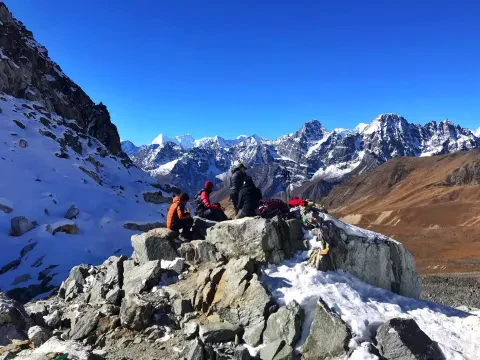
Everest Three Passes Trek is one of the most adventurous and challenging trekking journeys in Nepal’s Everest region. Organized by Odea Services, this incredible Himalayan adventure takes you across three high mountain passes: Renjo La Pass (5,360m), Cho La Pass (5,420m), and Kongma La Pass (5,535m), offering a complete exploration of the remote valleys, glaciers, traditional Sherpa villages, and spectacular mountain landscapes of the Khumbu region.This trek is designed for experienced trekkers who want more than a standard Everest Base Camp journey. The route combines the famous Everest Base Camp (5,364m), the stunning viewpoint of Kala Patthar (5,545m), and the beautiful turquoise lakes of Gokyo Valley. Throughout the trek, you will witness panoramic views of some of the world’s highest peaks, including Mt. Everest (8,848m), Lhotse (8,516m), Makalu (8,481m), Cho Oyu (8,210m), Ama Dablam, and Nuptse.Crossing three spectacular high-altitude passes: Renjo La, Cho La, and Kongma LaVisiting Everest Base Camp, the dream destination for adventure loversSunrise view from Kala Patthar overlooking Everest and surrounding peaksExploring Gokyo Lakes and climbing Gokyo Ri for panoramic Himalayan viewsWalking through Sagarmatha National Park, a UNESCO World Heritage SiteExperiencing Sherpa culture, monasteries, and mountain traditionsVisiting Tengboche Monastery, the largest monastery in the Khumbu regionScenic mountain flight between Kathmandu and LuklaThe Everest Three Passes Trek takes around 20 days and provides a complete Himalayan experience combining adventure, culture, nature, and unforgettable mountain scenery. With experienced guides, proper planning, and professional support, Odea Services ensures a safe and memorable trekking experience in the Everest region.Best Season for Everest Three Passes TrekChoosing the right season is very important for a successful Everest Three Passes Trek because the route involves crossing three high-altitude passes where weather conditions can change quickly. The best seasons for this trek are spring (March to May) and autumn (September to November) when the skies are clear, temperatures are stable, and mountain views are at their best.During spring, the Everest region becomes colorful with blooming rhododendron forests, warm daytime temperatures, and excellent visibility of Himalayan peaks. Autumn is considered the most popular trekking season because of clear blue skies, dry trails, and breathtaking views of Everest, Lhotse, Makalu, and other surrounding mountains.Best Trekking Seasons:Spring (March–May): Ideal weather, blooming flowers, clear mountain viewsAutumn (September–November): Best visibility, stable weather, and comfortable trekking conditionsWinter (December–February): Possible for experienced trekkers but very cold with snow-covered passesMonsoon (June–August): Less recommended due to rain, slippery trails, and flight delaysOdea Services recommends spring and autumn as the safest and most enjoyable periods for crossing Renjo La, Cho La, and Kongma La passes. These seasons provide the best opportunity to enjoy breathtaking landscapes and complete the trek safely.Everest Three Passes Trek Difficulty and TransportationThe Everest Three Passes Trek is considered one of the most challenging tea-house trekking routes in Nepal. The difficulty comes from the high altitude, long walking hours, steep ascents and descents, and crossing three mountain passes above 5,000 meters. Trekkers need good physical fitness, strong determination, and previous hiking experience to successfully complete this adventure.The trek involves walking approximately 5–8 hours daily through rugged Himalayan terrain. Proper acclimatization days in places like Namche Bazaar and Gokyo are included to help your body adjust to increasing altitude and reduce the risk of altitude sickness.Trek Difficulty Factors:High altitude reaching above 5,500 metersCrossing three challenging mountain passesLong walking days on rocky and snowy trailsCold weather and changing mountain conditionsRequires good physical fitness and enduranceTransportation During the Trek:The adventure begins with a scenic mountain flight from Kathmandu to Lukla, one of the most famous and thrilling flights in the world. From Lukla, the journey continues on foot through Sherpa villages, forests, valleys, glaciers, and mountain passes.Odea Services arranges all necessary transportation, including airport transfers, Lukla flights, and local arrangements, ensuring a smooth and comfortable journey from arrival in Kathmandu until departure.Food and Accommodation for Everest Three Passes TrekDuring the Everest Three Passes Trek, accommodation is provided in comfortable tea houses located along the trekking route. These mountain lodges offer basic but clean rooms with twin beds, blankets, and shared bathroom facilities in most areas. Staying in tea houses also provides a great opportunity to experience authentic Sherpa hospitality and mountain lifestyle.In larger villages such as Namche Bazaar and Lukla, trekkers can find more comfortable lodges with additional facilities like hot showers, Wi-Fi, charging facilities, and better dining options. Higher-altitude areas have more basic facilities due to the remote environment.Food Facilities:Traditional Nepali meals including Dal Bhat (rice, lentils, and vegetables)Tibetan and Sherpa dishesNoodles, pasta, soups, and fried riceBread, eggs, pancakes, and breakfast optionsTea, coffee, and hot beveragesOdea Services carefully selects hygienic tea houses and recommends balanced meals to maintain energy throughout the trek. Proper nutrition and hydration are essential for completing high-altitude sections safely.Everest Three Passes Trek PermitsThe Everest Three Passes Trek requires several permits because the route passes through protected areas and local communities. Odea Services manages all necessary permits and documentation before and during the trek, allowing trekkers to focus completely on enjoying their Himalayan adventure.Required Permits:Sagarmatha National Park Entry PermitKhumbu Pasang Lhamu Rural Municipality PermitTIMS Card (Trekkers’ Information Management System) where applicableThe Sagarmatha National Park permit helps protect the natural environment, wildlife, and cultural heritage of the Everest region. The local area permit supports community development and maintains trekking infrastructure.With Odea Services, all permit arrangements are handled professionally, ensuring a smooth trekking experience without unnecessary delays.6. Why Choose Everest Three Passes Trek with Odea ServicesChoosing the right trekking company is essential for a challenging adventure like the Everest Three Passes Trek. Odea Services provides professional trekking management, experienced guides, reliable support, and personalized service to make your Himalayan journey safe, comfortable, and unforgettable.Our experienced local guides have extensive knowledge of the Everest region, including mountain conditions, Sherpa culture, altitude management, and emergency procedures. We focus on responsible trekking practices while ensuring every traveler receives genuine hospitality and support.Why Choose Odea Services:Experienced and licensed trekking guidesCarefully planned itinerary with proper acclimatizationComplete permit and transportation arrangementsSafe and comfortable tea house accommodationPersonalized service and flexible trekking supportKnowledgeable local team with Everest region experienceCommitment to responsible and sustainable tourismThe Everest Three Passes Trek is not just a mountain journey; it is a life-changing experience filled with adventure, cultural discovery, and breathtaking natural beauty. With Odea Services, you can explore the legendary Everest region confidently and create memories that last a lifetime.
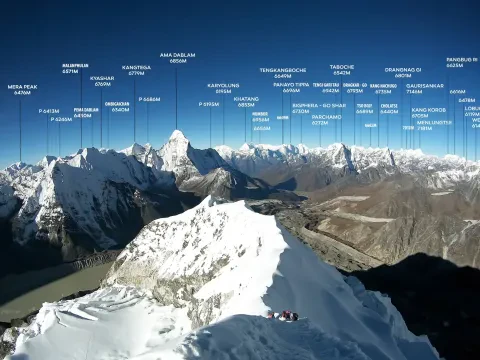
Experience the Everest Mountain Flight, the perfect way to see the world’s tallest peaks without trekking. Also called the Everest Experience or Scenic Himalayan Flight, this one-hour journey departs from Kathmandu’s Tribhuvan International Airport and offers stunning aerial views of the Himalayas. Operated by trusted airlines like Buddha Air, Yeti Airlines, and Shree Airlines, the flight brings you face-to-face with the majestic Mount Everest (8,848 m) and surrounding iconic peaks. Every traveler receives a guaranteed window seat, ensuring uninterrupted views and incredible photo opportunities throughout the flight.Why Choose the Everest Mountain Flight?The Everest Mountain Flight is one of the most popular aerial tours in Nepal, offering travelers a once-in-a-lifetime opportunity to witness the Himalayas in comfort. Without days of trekking or dealing with altitude challenges, you can enjoy the majestic sight of Mount Everest and surrounding peaks in just one hour. This flight is perfect for honeymoon couples, families with kids, elderly travelers, or anyone short on time but eager to experience the grandeur of the Himalayas.Airlines Operating Everest FlightsSeveral reputable domestic airlines in Nepal operate daily Everest sightseeing flights:Buddha Air – Known for modern ATR aircraft and reliable service.Yeti Airlines – Offers comfortable seating and scenic flight experiences.Shree Airlines – Popular for competitive pricing and frequent departures.Each airline ensures every passenger gets a guaranteed window seat, so you won’t miss a single view.What to Expect During the FlightDuration: About 50–60 minutes round trip.Altitude: Cruising between 20,000–25,000 feet, close to the Himalayan giants.Views: See Everest, Lhotse, Makalu, Nuptse, Cho Oyu, Kanchenjunga (on clear days), and dozens of other snow-capped peaks.Experience: The crew provides a mountain identification map and cockpit visits are often allowed, giving passengers a unique chance to see Everest from the pilot’s perspective.Best Time for Everest Sightseeing FlightsThe best seasons for Everest Mountain Flights are autumn (September–December) and spring (March–May) when the skies are typically clear. Morning departures (6:00–8:00 AM) are most recommended, as weather conditions are calm and visibility is at its best.Price of Everest Mountain Flight in NepalAverage Price: USD 200–250 per personInclusions: Guaranteed window seat, airport transfers, Everest Flight CertificateExclusions: Airport tax (approx. USD 3–4, payable at Tribhuvan International Airport)(Prices may vary slightly depending on the airline, season, and availability. Group discounts are often available.)Travel Tips for the Best ExperienceArrive at the airport at least 1 hour before departure.Carry your passport or valid ID for check-in.Sit on the left side of the plane for better views on the outbound flight.Bring a good camera with extra battery for crystal-clear shots.Check weather forecasts and book flexible dates in case of flight rescheduling.
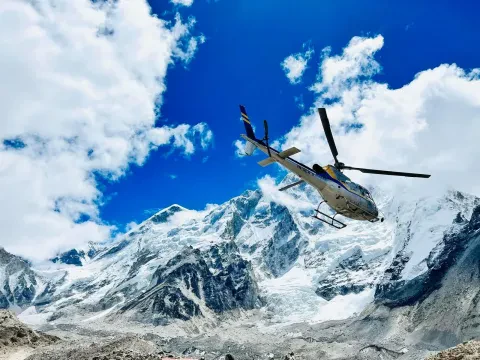
Have you ever wondered what could be the peak of luxury travel in the Everest region? Would you like to see Everest in comfort and style? Then, we are glad to introduce our luxury Everest heli tour & breakfast at Everest View Hotel trip. If you value comfort and exclusivity over money, then this luxury Everest heli tour is for you. It is a private helicopter tour from Kathmandu to Everest Base Camp and Kala Patthar, along with a breakfast stop at Hotel Everest View. You will not only fly to Mount Everest but also land at Lukla and Syangboche Airstrip (near Hotel Everest View). It makes the journey memorable and physically lets you touch the land and feel Everest's air. Trekking to EBC is fun and an adventure, but you know what is iconic and VIP? A private helicopter flight to EBC. It is an exclusive program for travelers who are into adventure but also love their comfort. On the luxury Everest heli tour & breakfast at Everest View Hotel, you will enjoy a panoramic flight. It will be around a 4 to 5 hours day trip that you can complete by 12:00 AM. No fitness commitment or previous high-altitude experiences are required. You can book the luxury Everest heli tour & breakfast at Everest View Hotel today and fly with us tomorrow. In spring and autumn, there are many helicopter flights to Everest, so we recommend booking early. You will learn more in detail about the luxury Everest heli tour & breakfast at Everest View Hotel as the blog unfolds. Tour overviewStarting point: Kathmandu (Tribhuvan International Airport, Domestic Terminal)Duration: Approximately 4 to 5 hoursMaximum elevation: Kala Patthar (5,545 m) or Everest Base Camp (5,364 m) (depends on weather)Landing points: Lukla and Everest View HotelMeals: Breakfast at Everest View Hotel, SyangbocheBest seasons: Spring (March–May) and autumn (September–November)Group size: 1–5 persons (depending on helicopter capacity)Difficulty: EasyWhy choose a helicopter flight to Everest?A helicopter flight makes Everest easily accessible to tourists, especially those who are on a short holiday or do not want to trek. It is definitely not an affordable trip, but it is guaranteed that you will enjoy every penny you spend.When we talk about a luxury Everest heli tour, we also talk about premium service. For instance, we provide premium private cars for airport transfers. You will get a full window seat and fly in a nice helicopter.There is no age barrier for the Everest helicopter tour, so you can do it with your kids and senior members of the family. As long as you are in good health and do not get affected by high altitude, you can do the Everest heli tour.We do not want trekking to be the only way to travel to Mt. Everest. Not everyone can spend two weeks trekking. Therefore, we have brought this special luxury Everest heli tour & breakfast at Everest View Hotel package.Whether you are looking for an alternative to the EBC trek or just want to explore Everest in one day, our Everest heli tour is the perfect choice. For upscale service, choose the luxury Everest heli tour & breakfast at Everest View Hotel package. What makes the luxury Everest heli tour & breakfast at Everest View Hotel trip extraordinary?The luxury Everest heli tour & breakfast at Everest View Hotel trip offers a rare opportunity to foreigners visiting Nepal to see the world's tallest mountain up close in a very short time and comfortably. Unlike trekking, there are no fitness or past trekking requirements.Just book your seat and be available in Kathmandu on your departure date. We also have a standard EBC helicopter tour package that you can check out if you are interested in a bit less costly option.Time-saving: You can complete a luxury Everest heli tour & breakfast at Everest View Hotel in just 4 to 5 hours. So, if you begin the tour at 7:00 AM, you will return to your hotel by 12:00 PM.Exclusive: Not everyone can do a luxury helicopter tour to Everest. It is an expensive trip.Ultimate comfort and convenience: Who could have thought that traveling to Mt. Everest would become comfortable and easy? No hard walking, no need to carry heavy bags, and no need to adjust to limited services.Aerial views that trekkers rarely see: Many people may trek to the Everest Base Camp every year, but only a few get to see its aerial beauty. Everest and other mountains look stunning while hiking, but the aerial view shows these mountains' true grandeur and magnificence.Accessible to all age groups: No age restrictions make the luxury Everest heli tour & breakfast at Everest View Hotel one of the most sought-after Everest trips in Nepal. Do it alone or with your family.Perfect for special occasions: Make any occasion or celebration ten times more special by combining a luxury Everest helicopter tour. You can celebrate your anniversary or birthday by taking this trip. Likewise, you can also organize a proposal event.A photographer's dream: If you are an aspiring photographer or wish to capture the best views of Mt. Everest and the Khumbu region, a helicopter flight will not let you down. You will get to shoot some of the most excellent angles that are not possible while hiking. The journey: step-by-step experienceYou can learn about the luxury Everest heli tour & breakfast at Everest View Hotel itinerary in detail below:Airport transfer and flight instructionsThe trip begins with an early morning flight. The weather is stable in the morning, so most luxury Everest heli flights begin early in the morning. Our team will transfer you to the domestic terminal in Kathmandu.After that, you will get your boarding pass and attend a quick flight briefing. You can ask your questions during the briefing with your pilot.Board a helicopter and fly to LuklaAfter the helicopter tour is ready to fly, you will board the aircraft and take off from Tribhuvan International Airport (Kathmandu Airport). It will be around a 45-minute flight from Kathmandu to Lukla.Enjoying the aerial scenery of Kathmandu, you will fly over green hills and ascend to Lukla. The Himalayan mountain views are also exceptional during the flight.Landing at Lukla (gateway to Everest)You might be wondering why you land in Lukla? And the answer is to refuel the helicopter for further flight. It will be a short 15-minute landing. You can stretch your legs or use the washroom.Fly to Everest Base Camp and Kala PattharAfter refueling in Lukla, you will continue the journey and fly to Everest Base Camp and Kala Patthar. During the flight, you will see the route that trekkers use to hike to EBC. You will literally be flying over the trail.Enjoy the aerial views of the famous villages like Phakding, Namche Bazaar, Tengboche, Dingboche, and Lobuche. Likewise, the mountain views are also excellent during the flight.We do not land at Everest Base Camp or Kala Patthar, but you will fly over these two destinations. So, get ready for a stunning aerial panorama.Fly to Hotel Everest View and have a delicious breakfastAfter exploring EBC, you will fly to the Hotel Everest View. It is located near Namche Bazaar in Syangboche, so you will fly back following the same route.There is a small airstrip in Syangboche village where only helicopters can land. It will be around a half-hour walk from the airstrip to the Hotel Everest View.Enjoy the breakfast of your choice at the Hotel Everest View while admiring the distant but captivating view of Mt. Lhotse, Mt. Everest, Mt. Nuptse, and Mt. Ama Dablam.You will have around 30 minutes to enjoy breakfast. While you have breakfast, the pilot may visit Lukla to refuel the helicopter.Return flight to KathmanduAfter breakfast, it is time to return to Kathmandu. You will fly following the same route to Lukla and gradually descend to Kathmandu. The mountain views and scenery are breathtaking during the return flight, too.Transfer to your hotelUpon landing at the Kathmandu Airport, our team will pick you up and transfer you to the hotel. Let us know if you have any feedback.*If you like our service, we highly encourage you to leave your feedback on our website for our future clients. Views you will see during the luxury Everest heli tourThe luxury Everest heli tour & breakfast at Everest View Hotel trip will present stunning mountain panoramas and scenery. You will see diverse landscapes as you fly from Kathmandu to Kala Patthar.The flying route first offers an aerial panorama of Kathmandu and lush hills. As you leave Lukla and fly ahead, you will see verdant valleys, the beautiful Dudh Koshi River, and many suspension bridges connecting the walking trails of hikers.Gradually, you will leave the tree line behind and fly to the alpine zone. Glaciers and icefalls begin to come into perspective. Mountains become much closer. Below, we have listed some of the notable mountains you will see during the helicopter tour to Everest Base Camp:Mt. EverestMt. LhotseMt. NuptseMt. ThamserkuMt. Ama DablamMt. MakaluMt. Cho OyuMt. PumoriMt. BaruntseMt. ChamlangEverest View Hotel – One of the world’s highest luxury hotelsEverest View Hotel is definitely one of the main highlights of this short trip from Kathmandu. It is one of the highest luxury hotels in the world, and in fact, it used to hold a Guinness World Record as the highest-placed hotel on Earth when it was first built in the 1970s.Today, the Hotel Everest View has become an iconic landmark on the way to Everest, where trekkers and climbers looking for upscale amenities spend nights.The location of the Hotel Everest View makes it remarkable. You can see Mt. Everest from all of its room windows. Not only that, but mountains like Lhotse, Ama Dablam, Thamserku, and Kangtega are also visible from most of this hotel's windows.And the fact that you get to have breakfast literally at the top of the world and enjoy the view of Mount Everest makes it even more special and popular among travelers.Best time for the Everest Heli tourThe best time to do the luxury Everest heli tour is the spring (March to May) and autumn (September to November) seasons.These two seasons are the peak time for traveling in the Himalayas to enjoy the finest weather and stunning mountain vistas.You may also do the Everest heli tour with breakfast in winter (December to February). However, on some days, the skies can be cloudy and the mountain views may be obstructed.Monsoon (June to August) is not that popular for helicopter tours in the Himalayas, including the luxury Everest heli tour. It is because of unstable weather, dense clouds, unclear views, and frequent rain. However, if you are lucky, some days are clear and perfect for the helicopter tour.Essential tips before you goWe have shared some helpful tips for the luxury Everest heli tour & breakfast at Everest View Hotel trip below:Dress warmly: The climate in the Himalayas is usually cold throughout the year. The higher you go, the colder the climate will get. So, even if Kathmandu feels warm, you will need to dress warmly for the luxury Everest heli tour. Wear comfortable base layers and carry a jacket, scarf, and beanie.Sunglasses and sunscreen: The UV rays are stronger at high elevations. So, we recommended travelers to carry a nice sunglass that is compatible with the alpine environment and a good-quality SPF cream. Reapply SPF during the heli tour to prevent sunburns.Stay hydrated: It is easy to forget to drink water when you are traveling. However, staying hydrated is important during the luxury Everest heli tour & breakfast at the Everest View Hotel. The air is dry and thin at high elevation. By keeping yourself hydrated, you will feel better and also reduce the risk of altitude sickness.Spare batteries for your camera: Even though the luxury Everest heli tour & breakfast at Everest View Hotel is a short trip, you will need a power bank or spare batteries for your camera and mobile phone if you are planning to take a lot of videos and photos. It is best to have a backup for your electronic devices.Weather flexibility: Helicopter flights highly depend on weather, and as we all know, how unpredictable the weather in the Himalayas can get, it is best if you have a flexible schedule.Book your seat early: Everest helicopter flights are getting quite famous among travelers in Nepal, and many of them choose this trip. So, the demand is quite high and the seats are usually booked, especially in the peak seasons (spring and autumn). We take last-minute bookings for the luxury Everest heli tour & breakfast at Everest View Hotel, but it is best to book the trip early to have confirmed seats.Safety during the luxury Everest heli tour & breakfast at Everest View HotelYou might be wondering how safe flying to Everest in a helicopter is and what the Everest heli tour safety guidelines are. Whichever trip you choose to do with us in Nepal, your safety is our top priority.We have curated every part of the luxury Everest heli tour & breakfast at Everest View Hotel journey meticulously. With us, you can fly to Everest or anywhere in Nepal confidently.Below, we have shared our safety precautions for a safe luxury Everest heli tour and safety guidelines that travelers have to follow during the flight:Fly with experienced pilots: We work with highly trained and experienced pilots for our Everest heli tours. They are certified for high-altitude mountain flying in Nepal and have several years of experience.Regular maintenance and safety inspections: Our partnered airline for Everest helicopter tours is the best in Nepal. They have reliable and powerful helicopters that are built for flying in the Himalayas. Our partnered airline is also the leading rescue provider in Nepal's Himalayas, so they know what they are dealing with. In short, they regularly maintain their helicopters and do thorough inspections before every flight.Strict weather assessments: We only operate Everest heli tours if the weather is clear and stable. Our team assesses the weather before every flight.Limited landing time at high altitudes: During the luxury Everest heli tour & breakfast at Everest View Hotel, you will land for about half an hour for breakfast. The elevation gain is very high and quick from Kathmandu to the Hotel Everest View. So, our goal is to return as soon as possible, but we also provide ample time to enjoy the breakfast.Weight limitations and balanced seating: We have to maintain the helicopter's stability during the flight. So, passengers have to follow strict weight limit rules. The total weight of the passenger and luggage should not exceed 500 kg. If the weight increases beyond this limit, we add another helicopter. You will be pre-informed about the changes and additional charges.Backup and emergency plan: If we come across a mechanical or weather-related issue during the flight, we will initiate our emergency protocol. Our backup helicopter will rescue you from your location and provide further assistance as required.Health and altitude consideration: The Everest heli tour is for travelers of all ages. However, anyone planning to do a helicopter tour to Everest must consider the high altitude. If you have any medical condition that is not good for high altitude, we recommend that you first consult your doctor about the trip. Also, inform us so that we can be prepared to provide you with the necessary assistance.We do our best to make sure that the luxury Everest heli tour & breakfast at Everest View Hotel is safe for every traveler. There are also a few things that travelers have to be mindful of during the helicopter tour to ensure their safety.Anyone planning to do the luxury Everest heli tour & breakfast at Everest View Hotel must follow the guidelines below:Once you are in the air, do not move around or unbuckle your seatbelts.Do not open the window without permission from your pilot.Do not do anything or make any sudden movement that may unbalance the helicopter.Follow your pilot's instructions during the flight.Only approach the helicopter or get off from it when your pilot gives you a green signal.Do not carry unwanted things that are heavy. Keep your backpack light (below 5 kg).Smoking or drinking alcohol is not allowed inside the helicopter.Do not throw anything out of the helicopter. Preparation before you fly and packing listDocuments:Make sure you have a valid passport to obtain the permits.Clothing & accessories:Base layerOuter layerComfortable, light shoesWarm socks, gloves, beanieBagpackPassport or ID copySunglassesA camera or a smartphone for photosSpare batteriesSunscreen and lip balmWater bottle and some snacksPersonal medications (if any)Cash and ATM cardsWho can join the luxury Everest heli tour & breakfast at Everest View Hotel?The luxury Everest heli tour & breakfast at Everest View Hotel is available for everyone. It is designed to be one of the most accessible adventures in the Khumbu region, so travelers of all ages and fitness levels can do it.Families with childrenSenior travelersHoneymoon couplesBusiness or VIP guestsTravelers on a short vacationAdventure lovers seeking comfortChildren and young explorersTravelers who cannot trekBook your luxury Everest Heli tour today with Odea Services and get the best priceNot all luxury Everest helicopter tours are actually a luxury trip. Most of them sell the word luxury just because of the helicopter flight. However, we, Odea Services, actually make it a luxury trip with our refined services.At Odea Services, we offer many years of expertise, hard work, and knowledge. We are a Nepali travel company that organizes tours, treks, jungle safaris, and climbing trips in and beyond Nepal.Traveling with us ensures your safety and comfort. You will be supported by a professional and friendly team. All the bookings and permit-related stuff are handled by our team. You only have to focus on enjoying the trip.If you are looking for a travel partner for the Everest helicopter tour, we could be your best choice. From fixed itinerary to private trips, traveling with us is very flexible. You can also custom-design your Everest heli tour itinerary and make it a multi-day trip.Whether you follow our suggested itinerary or custom-design, one thing we assure you is a safe and satisfying trip. Book the luxury Everest heli tour & breakfast at Everest View Hotel early for a guaranteed seat.If you have any questions regarding the luxury Everest heli tour & breakfast at Everest View Hotel cost or service, feel free to contact us anytime.
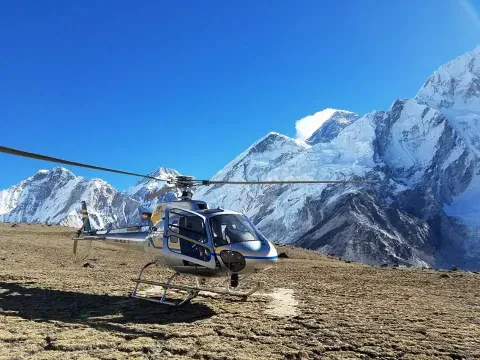
The Everest Base Camp helicopter tour is a short and comfortable day trip that you can complete in 4 to 5 hours. The tour begins from Kathmandu's domestic airport and takes you to the Khumbu region. The Khumbu region is home to Mount Everest, the tallest mountain on Earth, and also many other mountains, beautiful villages, and the famous Sherpas. Most travelers from around the world do the Everest Base Camp trek, but it is time-consuming and requires good fitness and commitment. The Everest Base Camp helicopter tour allows you to see the villages, valleys, glaciers, and mountains that trekkers explore during the trek in a very short time. You will be flying over the main EBC trail, enjoying the aerial panoramas. Not only that, but you also get to land at Lukla and Syangboche Airstrip during the Everest Base Camp helicopter tour. We’ll land at Lukla Airport for 15 minutes to refuel the chopper. Likewise, Syangboche Airstrip is located close to Hotel Everest View, where you will go for breakfast. Even though the landing will be short, it will make the journey incredible and a lifetime experience. Trekking is not for everyone, and it definitely should not limit the Everest region for travelers who cannot hike. With the Everest Base Camp helicopter tour, you can explore the beauty of the Khumbu region and the gradient of the eastern Himalayan range in Nepal in the blink of an eye. The Everest Base Camp helicopter tour combines adventure, luxury, comfort, and convenience. Although it is a bit more expensive than the EBC trek, every penny spent during this tour is worth it. If you have ever dreamed of seeing Mt. Everest with your own eyes, this trip will turn it into reality, and our team will ensure your safety and service satisfaction. We have shared important details of the Everest Base Camp helicopter tour through this blog. Make sure to read this blog thoroughly, and if you need any help, feel free to contact us. Breakfast at the Hotel Everest ViewBreakfast at Hotel Everest View is very special. It is one of the highest luxury hotels in the world. Opened in 1971, Hotel Everest View is situated at 3,962 meters (13,000 ft). In 2004, the hotel was also listed in the Guinness World Records for the highest-placed luxury hotel in the world.The biggest highlight of this hotel is that Mt. Everest is visible from all of its room windows, along with other mountains. Likewise, during breakfast, you can see Everest, Lhotse, Nuptse, and Ama Dablam.It makes breakfast at Hotel Everest View a once-in-a-lifetime experience. The breakfast menu specializes in Nepali, Continental, and Himalaya-style dishes.The breakfast selection includes toast, cereal, pancakes, buttered croissants, eggs, sausage, beans, and a fresh fruit platter with tea, coffee, and Himalayan herbal teas. Likewise, Tibetan bread, thukpa, local potatoes, warm porridge, etc, are also available for breakfast. Why choose the Everest Base Camp helicopter tour over the Everest Base Camp trek?Both the Everest Base Camp helicopter tour and the Everest Base Camp trek are incredible ways to explore the Khumbu region and witness Mount Everest. At the same time, both trips are also very different from one another.The Everest Base Camp trek is usually a 12 to 14 day journey that involves around 6 hours of hiking each day through rugged terrain and Sherpa villages. It is difficult, time-consuming, and requires good fitness.On the other hand, the Everest Base Camp helicopter tour is a short 4-5 hour day trip. It is the quickest, easiest, and most comfortable way to see Mt. Everest. The EBC heli tour is also a luxury trip. So even though it is short, the package cost is usually more expensive than the trek.Below are some of the reasons that may make the Everest Base Camp helicopter tour a better option for you:Time efficiency: If you are on a short vacation or only have a day in Kathmandu, the Everest Base Camp helicopter tour is an ideal option. The tour starts in the morning at around 6:00 AM or 7:00 AM and ends by 11:00 AM to 12:00 PM. So, you will return to Kathmandu by lunchtime.Accessibility: The helicopter tour makes Mt. Everest accessible to everyone. We do not want to limit Everest's exposure to only trekking. So, the EBC heli tour is perfect if you do not want to commit to the trek.Luxury and Comfort: A helicopter tour to Everest Base Camp is a luxury. You will be picked up in a comfortable four-wheeler, enjoy a smooth ride to/from the airport, and get a full window seat during the flight to enjoy the best mountain views. Every aspect of the heli tour is meticulously planned, so there will be no compromise in the service and comfort.No physical strain or strong fitness requirement: Unlike the EBC trek, you will not be physically challenged during the Everest Base Camp helicopter tour. There is no requirement for fitness. All age groups, including seniors and children, can do the heli tour. Likewise, travelers with limited mobility can also do the EBC helicopter tour.Avoid trekking risks and altitude sickness: As you will not trek, there is also no risk of getting injured or sick. Likewise, you do not have to worry about altitude sickness during the Everest Base Camp helicopter tour. Although the exposure to high altitude is quick during the helicopter tour, you will not spend a long time there. So, no risk of altitude sickness.Weather flexibility and safety: The Everest Base Camp helicopter tour is not usually disrupted by a small change in the weather. The flight delays and cancellations are very low. Similarly, a helicopter tour to Everest Base Camp is also very safe.Bird's eye view of the Himalayas: While trekking, you cannot get a close bird's eye view of the Himalayas. However, during the helicopter tour, you will see spectacular aerial views of the mountains, villages, valleys, and glaciers.Breakfast at one of the World's Highest Luxury Hotels: One of the best parts of the Everest Base Camp helicopter tour is breakfast at the Hotel Everest View. It is situated above Namche Bazaar at 3,962 meters (13,000 ft). You will land at Syabgboche Airstrip (near the hotel) and have around half an hour to enjoy breakfast with a distant but captivating view of Everest, Lhotse, Nuptse, and Ama Dablam.Special occasions: You can do the Everest Base Camp helicopter tour for your birthday, anniversaries, proposals, or to celebrate any occasion. It will make the event 10 times more special and memorable.Safety standards and pilot expertiseDuring the Everest Base Camp helicopter tour, you will fly into the heart of the Himalayas. So, it is important that the helicopter is piloted by a highly skilled pilot.Our pilots have been flying in the Himalayas, including the Everest region, for several years. They know the flying conditions, weather unpredictability, and safety protocols.From pre-flight inspection to landing at Hotel Everest View for breakfast, every element of this trip follows international aviation safety standards. So, you can expect a secure, smooth, and unforgettable experience.Our helicopters are built for Himalayan weather and high altitude. It has high safety performance and powerful engines. Likewise, the helicopters are specially made for high altitude, so the stability is excellent even in thin air.We regularly maintain and inspect our helicopters, following Civil Aviation Authority of Nepal (CAAN) regulations.All of our flights are operated by pilots with thousands of hours of flying expertise in Nepal's mountainous terrain. Most of our pilots also conduct rescue operations in the Himalayas, so they have a deep understanding of the region.We closely work with the weather department to monitor our helicopter flights. If the weather is not favorable, we delay the flight but do not risk the lives of our guests.Our pre-flight inspection ensures both mechanical and operational performance of the helicopter.The pilot offers a short briefing before the tour starts and shares all the safety guidelines. Likewise, every passenger will be equipped with headsets and seatbelts.All of our helicopters are equipped with supplemental oxygen and a first-aid kit for emergencies.We strictly follow the weight limit guidelines for high altitude flights set by the aviation department of Nepal. If the weight exceeds, we operate the tour in two shuttles for maximum safety.Best time for the Everest Base Camp helicopter tourSpring (March to May) and autumn (September to November) have the finest weather conditions for the Everest Base Camp helicopter tour. The weather is mostly stable during the morning, so the flights are on time.Visibility is great in spring and autumn. You will witness breathtaking mountain panoramas and landscapes. Overall, the flight experience will be stable and comfortable.The Everest Base Camp helicopter tour is also possible in winter (December to February) and summer/monsoon (June to August). But weather conditions may not be favorable every day in these two seasons.The visibility is not that good in winter and the monsoon period, especially in the morning. So, your itinerary needs to be flexible just in case the flight gets delayed because of poor weather.In short:Avoid: June to August due to poor visibility and frequent rainfallWinter months: Low price, fewer crowds, and perfect for snow loversSpring and autumn: Best times for the EBC helicopter tour with landingEverest Base Camp helicopter tour preparation guidelinesFor maximum comfort, satisfaction, and safety, you have to be well prepared for the trip. Below, we have shared the preparation guidelines for the Everest Base Camp helicopter tour:Dress appropriately for the helicopter tour:While flying from Kathmandu to Kala Patthar, you will experience varying temperatures and climates. Normal clothes will not be sufficient. You have to layer the clothes. Start with a comfortable base layer, then wear a thermal layer and cover with a windproof outer layer.Gloves, a hat, and sunglasses are required, too.Wear comfortable shoes (preferably hiking shoes).Carry essentials:Get a small/medium-sized backpack to carry essentials like a water bottle, camera, ID, travel documents, etc.If you plan to take a lot of photos and videos, definitely pack a power bank and extra batteries.Health and fitness considerations:You do not need a high level of fitness for the Everest Base Camp helicopter tour, but you need to be okay with flying.Hydrate yourself before the flight begins and use the washroom. You will not be able to use the washroom during the flight. A washroom is available at Hotel Everest View.Do not have a heavy meal or alcohol before the Everest heli tour begins.Arrive at the domestic airport on time:You have to arrive at the domestic airport at least 30 minutes before the Everest Base Camp helicopter tour begins to join the flight briefing.We will share the confirmed pickup time with you one day before the trip starts. So, make sure you are ready on time.Wear SPF and carry it to reapply during the tour:The sun's rays are strong at high altitude. You need to protect your skin to prevent sunburn. SPF 30+ is at least recommended. Apply it well before the tour starts and reapply it during the tour.Use lip balm (preferably with SPF protection) to prevent chapped lips.Sunglasses with UV protection are also a must to avoid snow glare that can cause temporary snow blindness.Mental preparation:If you are scared of flying or heights, you must prepare your mind mentally for the trip.You can see Everest Base Camp helicopter tour videos to get an idea of what to expect during the tour.Who can join the Everest Base Camp helicopter tour?Travelers of all ages can do the Everest Base Camp helicopter tour. The only requirement is that the passenger should board and deboard the helicopter safely.On the Everest Base Camp helicopter tour, you will reach above 5,500 meters and spend around half an hour at 3,962 meters. If you have a heart, lung, or respiratory condition, we recommend consulting your doctor before the tour begins.The Everest Base Camp helicopter tour is an excellent family trip. It will be a lifetime adventure with your kids and parents.Couples and friends can make special occasions grand with the Everest Base Camp helicopter tour.We also organize the Everest Base Camp helicopter tour for corporate groups and VIPs.If you have a free day in Kathmandu and are looking to do something adventurous, or specifically wish to see Mount Everest up close.Travelers who have a short holiday and want to the Everest region.Travelers who do not want to trek but wish to see Everest. Things you shouldn't do during the Everest Base Camp helicopter tourThere are a few rules that travelers must follow during the Everest Base Camp helicopter tour to maximize their safety and tour satisfaction:Travelers should never open the door or lean on it without the pilot's instruction.Do not move around or change your seat when in the air. It can affect the helicopter's balance.Do not litter the chopper.Listen to your pilot's instructions.Do not smoke or drink alcohol inside the helicopter.Do not throw waste or disturb the surrounding vegetation during landing.Only approach the helicopter without the pilot's signal. Likewise, do not get off the helicopter unless the pilot says. Everest Base Camp helicopter tour 2026 cost and bookingThe cost of the Everest Base Camp helicopter tour may vary from one season to another. During peak seasons, when demand is high, costs are also high.Additionally, the price of an EBC helicopter tour may also differ depending on whether you choose a shared group flight or a private charter.We have shared the usual Everest Base Camp helicopter tour cost below. Note that the amount may vary depending on the time you choose to do this tour.Everest Base Camp helicopter tour shared flight cost:Ideal for solo travelers or small groups who want to join a shared EBC heli tour.Average cost USD 1,300 to USD 1,450 per person.Maximum 5 passengers (500 kg weight limit per helicopter).Everest Base Camp helicopter tour private charter:Perfect for couples, friends, families, VIPs, and photographers seeking a private helicopter tour to Everest Base Camp.Average cost USD 6,500 per helicopter.Maximum 5 passengers (500 kg weight limit per helicopter).Why choose Odea Services for your Everest Base Camp helicopter tour?Traveling with the right operator makes a huge difference to your Everest Base Camp helicopter tour experience. Not everyone who offers the EBC helicopter tour package understands the sheer details of this trip.So, you must pick the right travel partner. Talking about us, Odea Services, is a reputable, government-certified Nepali travel operator based in Kathmandu.Our many years of expertise and a well-trained, professional team ensure your Everest Base Camp helicopter tour is seamlessly handled. Here's why you should do the Everest Base Camp helicopter tour with us:Highly experienced ground team and pilotsFlexible departure datesGroup departuresPrivate charterNo hidden costSeamless logisticsFriendly yet professional crewHigh priority in safety and comfortResponsible tourismPersonalized serviceConclusion: A Dream Flight Over the Top of the World!The Everest Base Camp helicopter tour is more than just an adventurous trip. It makes the dream of witnessing the grandeur of the tallest mountain in the world come true for many travelers who cannot trek. The journey is unforgettable, exciting, effortless, and luxurious. With Mt. Everest, you will also see the beauty of the Khumbu region. Fly over the beautiful Sherpa villages that trekkers go through and see the magnificence of lush valleys, Khumbu Icefall, and Khumbu Glacier from the sky. With our meticulously planned Everest Base Camp helicopter tour itinerary, experienced pilot, modern helicopters, and professional ground team, you will enjoy a smooth Everest Base Camp helicopter tour.We, Odea Services, are a trusted operator for the Everest Base Camp helicopter tour in Nepal. We guarantee the best price, no hidden charges, no compromise in safety, and fixed departure. Our Everest Base Camp helicopter tour 2026 bookings are open. We are offering a special price for early bookings. Grab the deal and get your seat before the offer ends.If you have any questions, feel free to ask us anytime.
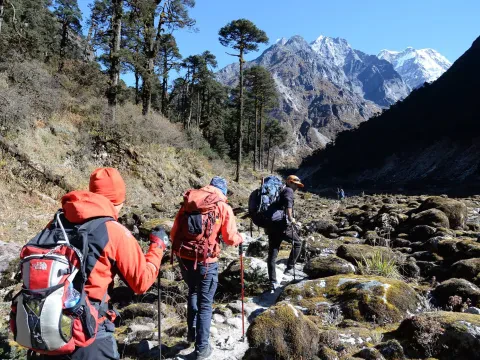
Island Peak or Imja Tse is a beautiful mountain in the Sagarmatha National Park of the Everest region. The peak was named as an Island Peak because of its scenery that looked like a peak in the middle of the pool of ice from Dingboche. This is the second highest point one can reach without the mountaineering equipment. This is a strenuous trek but the views are absolutely worth it.The trip begins from Kathmandu, the capital of Nepal and takes you through various UNESCO world heritage sites, the holy Pashupatinath temple, the monkey temple, Swoyambhu nath, the Buddhist pilgrimage site, Boudhanath Stupa and many more. The trip then extends to take you to Lukla through a 35 minutes scenic flight. The view from the airplane is magnificent and the mountain ranges extra-ordinary. From Lukla, the trek begins towards Phakding and then to Namche Bazaar, the gateway to Everest. Namche Bazar is the famous trading hub and consists of few best restaurants to hangout and acclimatize at. Then the trip heads on towards the peak, the trails beautiful and the mountains exhilarating. The trip will take you through the famous Everest region and to the Island Peak which is at an altitude of 6187 m in the Khumbu region. After the summit, we head back to Namche Bazaar, relax and then head back to Kathmandu which ends the trip. So, we welcome all our clients to be a part of the best trek up the mountain and experience the quality service with Odea Services.Island Peak Climbing OverviewIsland Peak Climbing is one of the most popular trekking peaks in Nepal, located in the beautiful Khumbu region of the Everest area inside Sagarmatha National Park. Also known as Imja Tse, Island Peak stands at an elevation of 6,187 meters and offers an exciting combination of trekking, glacier walking, and mountaineering adventure. The peak received its name because, when viewed from Dingboche, it appears like an island surrounded by a sea of ice. It is considered one of the best introductory climbing peaks for adventure seekers who want to experience Himalayan mountaineering with proper climbing training and support.The Island Peak Climbing journey with Odea Services begins with cultural exploration in Kathmandu, where you visit UNESCO World Heritage Sites including Swoyambhunath Stupa, Kathmandu Durbar Square, Pashupatinath Temple, and Boudhanath Stupa. After enjoying the traditional Nepali welcome experience, the adventure continues with a scenic mountain flight from Kathmandu to Lukla. From Lukla, the trek passes through beautiful Sherpa villages, suspension bridges, rhododendron forests, and the famous trading hub of Namche Bazaar before reaching higher Himalayan landscapes.The route gradually moves through Tengboche, Dingboche, and Chhukung while allowing proper acclimatization before climbing Island Peak. The summit day provides breathtaking panoramic views of some of the world's highest mountains, including Mount Everest, Lhotse, Makalu, Ama Dablam, and other Himalayan peaks. After successfully reaching the summit, the journey returns through the Everest region before ending back in Kathmandu.Summit experience at 6,187 meters in the Everest regionScenic flight to Lukla with Himalayan viewsExploration of Sherpa villages and Buddhist monasteriesVisit to Namche Bazaar, the gateway to EverestProper acclimatization and pre-climb trainingStunning views of Everest, Lhotse, Ama Dablam, and MakaluProfessional trekking and climbing support by Odea ServicesBest Season for Island Peak ClimbingChoosing the right season is very important for a successful Island Peak Climbing experience. Nepal has two major climbing seasons that offer the best weather conditions: spring and autumn. During these periods, the skies are usually clear, temperatures are comfortable, and the mountain views are at their best.The spring season from March to May is one of the most favorable times for climbing Island Peak. During this period, the trails are decorated with blooming rhododendron flowers, and climbers can enjoy stable weather conditions. The autumn season from September to November is another excellent period because of clear visibility, dry trails, and spectacular views of the Himalayan ranges.Winter climbing is possible for experienced climbers but brings additional challenges due to freezing temperatures, heavy snowfall, and difficult climbing conditions. The monsoon season is generally avoided because rain can affect flights, trails, and mountain visibility.Best seasons for Island Peak Climbing:Spring season: March to MayAutumn season: September to NovemberClear mountain views and stable weatherBetter climbing conditions and safer trailsIdeal time for photography and Himalayan explorationIsland Peak Climbing Difficulty and TransportationIsland Peak Climbing is considered a challenging adventure that requires good physical fitness, mental preparation, and basic mountaineering skills. Although it is classified as a trekking peak, reaching the summit at 6,187 meters involves walking on glaciers, climbing steep sections, and using technical equipment such as ropes, crampons, and ice axes. Odea Services provides experienced guides and pre-climb training to help climbers prepare for the summit.The trek follows a gradual acclimatization schedule to reduce the risk of altitude-related problems. Rest days in places like Namche Bazaar and Dingboche allow the body to adapt to higher elevations before moving toward the Island Peak Base Camp and High Camp. The summit day is the most demanding section and requires early morning climbing through rocky terrain and icy slopes.Transportation during the Island Peak Climbing adventure combines comfortable ground transportation and scenic mountain flights. The journey starts with airport transfers in Kathmandu, followed by a short but thrilling flight from Kathmandu to Lukla. During the trek, all transportation is managed through walking trails, with porters and climbing staff supporting the expedition.Difficulty and transportation features:Challenging high-altitude trekking experienceRequires basic climbing skills and physical fitnessIncludes glacier crossing and technical climbing sectionsScenic Kathmandu–Lukla mountain flightProfessional guides and climbing assistanceProper acclimatization schedule for safetyFood and Accommodation for Island Peak ClimbingDuring the Island Peak Climbing journey, Odea Services ensures comfortable accommodation and nutritious meals throughout the trip. In Kathmandu, guests stay at comfortable hotels with modern facilities. During the trekking period, accommodation is provided in traditional mountain guesthouses where climbers can experience authentic Sherpa hospitality.At higher elevations, accommodation becomes more basic but remains clean and comfortable. During the Island Peak Base Camp and High Camp sections, climbers stay in tented camps supported by a professional kitchen team. These camping arrangements provide necessary facilities while creating an authentic Himalayan expedition atmosphere.Food plays an important role in maintaining energy during the climb. The trekking route offers a variety of local and international dishes, including traditional Nepali meals, Tibetan-style food, noodles, soups, rice, vegetables, and other nutritious options. During the climbing period, meals are carefully prepared to provide enough energy for challenging climbing activities.Food and accommodation services include:Hotel accommodation in KathmanduMountain guesthouses during trekkingTented camp at Island Peak Base Camp and High CampNutritious breakfast, lunch, and dinnerTraditional Nepali and international meal optionsExperienced kitchen support during climbing daysIsland Peak Climbing PermitsIsland Peak Climbing requires several official permits issued by the Government of Nepal and local authorities. These permits help protect the natural environment of the Everest region and support conservation activities inside Sagarmatha National Park. Odea Services manages all required documentation and permits so climbers can focus completely on their adventure.The main permits required for Island Peak include the Sagarmatha National Park entry permit, Khumbu Pasang Lhamu Rural Municipality permit, and Island Peak climbing permit issued by the Nepal Mountaineering Association (NMA). These permits are essential for legal access to the trekking routes and climbing areas.Obtaining permits can be complicated for international travelers because of different regulations and paperwork requirements. With Odea Services, all necessary arrangements are completed professionally before and during the expedition.Required permits for Island Peak Climbing:Sagarmatha National Park Entry PermitKhumbu Pasang Lhamu Rural Municipality PermitIsland Peak Climbing PermitTIMS card (where applicable)Professional permit management by Odea ServicesWhy Choose Island Peak Climbing with Odea ServicesChoosing the right company is essential for a safe and memorable Himalayan climbing experience. Odea Services provides professionally organized Island Peak Climbing packages designed for adventure lovers who want to experience Nepal’s natural beauty, Sherpa culture, and Himalayan mountaineering. From airport arrival to the final departure, every part of the journey is carefully managed.Odea Services focuses on safety, comfort, and quality service by providing experienced trekking guides, climbing assistance, proper acclimatization plans, and reliable logistics. The team understands the challenges of high-altitude climbing and ensures that every climber receives proper guidance throughout the expedition.With a combination of cultural tours, Everest region trekking, technical climbing experience, and personalized service, Island Peak Climbing with Odea Services becomes a complete Himalayan adventure. The journey is not only about reaching the summit but also about experiencing Nepal’s landscapes, traditions, and unforgettable mountain moments.Reasons to choose Odea Services:Experienced trekking and climbing professionalsComplete permit and logistics managementSafety-focused climbing approachPersonalized service and supportExperienced Sherpa guides and climbing staffAuthentic Himalayan cultural experienceMemorable Everest region adventure