Hotel in Kathmandu and Tea House / Lodge during the trek
Island Peak or Imja Tse is a beautiful mountain in the Sagarmatha National Park of the Everest region. The peak was named as an Island Peak because of its scenery that looked like a peak in the middle of the pool of ice from Dingboche. This is the second highest point one can reach without the mountaineering equipment. This is a strenuous trek but the views are absolutely worth it.
The trip begins from Kathmandu, the capital of Nepal and takes you through various UNESCO world heritage sites, the holy Pashupatinath temple, the monkey temple, Swoyambhu nath, the Buddhist pilgrimage site, Boudhanath Stupa and many more. The trip then extends to take you to Lukla through a 35 minutes scenic flight. The view from the airplane is magnificent and the mountain ranges extra-ordinary. From Lukla, the trek begins towards Phakding and then to Namche Bazaar, the gateway to Everest. Namche Bazar is the famous trading hub and consists of few best restaurants to hangout and acclimatize at. Then the trip heads on towards the peak, the trails beautiful and the mountains exhilarating. The trip will take you through the famous Everest region and to the Island Peak which is at an altitude of 6187 m in the Khumbu region. After the summit, we head back to Namche Bazaar, relax and then head back to Kathmandu which ends the trip. So, we welcome all our clients to be a part of the best trek up the mountain and experience the quality service with Odea Services.
Island Peak Climbing is one of the most popular trekking peaks in Nepal, located in the beautiful Khumbu region of the Everest area inside Sagarmatha National Park. Also known as Imja Tse, Island Peak stands at an elevation of 6,187 meters and offers an exciting combination of trekking, glacier walking, and mountaineering adventure. The peak received its name because, when viewed from Dingboche, it appears like an island surrounded by a sea of ice. It is considered one of the best introductory climbing peaks for adventure seekers who want to experience Himalayan mountaineering with proper climbing training and support.
The Island Peak Climbing journey with Odea Services begins with cultural exploration in Kathmandu, where you visit UNESCO World Heritage Sites including Swoyambhunath Stupa, Kathmandu Durbar Square, Pashupatinath Temple, and Boudhanath Stupa. After enjoying the traditional Nepali welcome experience, the adventure continues with a scenic mountain flight from Kathmandu to Lukla. From Lukla, the trek passes through beautiful Sherpa villages, suspension bridges, rhododendron forests, and the famous trading hub of Namche Bazaar before reaching higher Himalayan landscapes.
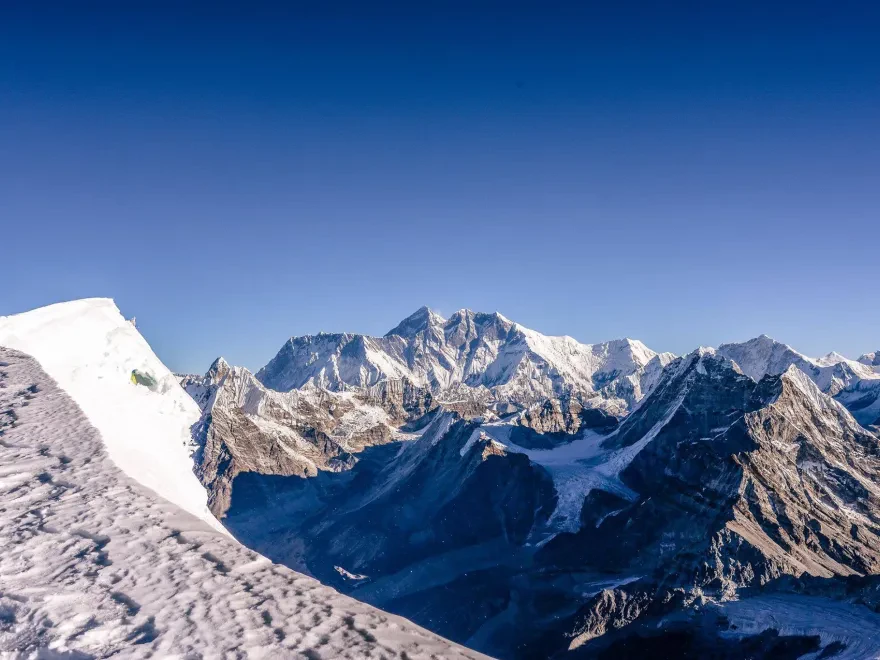
The route gradually moves through Tengboche, Dingboche, and Chhukung while allowing proper acclimatization before climbing Island Peak. The summit day provides breathtaking panoramic views of some of the world's highest mountains, including Mount Everest, Lhotse, Makalu, Ama Dablam, and other Himalayan peaks. After successfully reaching the summit, the journey returns through the Everest region before ending back in Kathmandu.
Choosing the right season is very important for a successful Island Peak Climbing experience. Nepal has two major climbing seasons that offer the best weather conditions: spring and autumn. During these periods, the skies are usually clear, temperatures are comfortable, and the mountain views are at their best.
The spring season from March to May is one of the most favorable times for climbing Island Peak. During this period, the trails are decorated with blooming rhododendron flowers, and climbers can enjoy stable weather conditions. The autumn season from September to November is another excellent period because of clear visibility, dry trails, and spectacular views of the Himalayan ranges.
Winter climbing is possible for experienced climbers but brings additional challenges due to freezing temperatures, heavy snowfall, and difficult climbing conditions. The monsoon season is generally avoided because rain can affect flights, trails, and mountain visibility.
Best seasons for Island Peak Climbing:
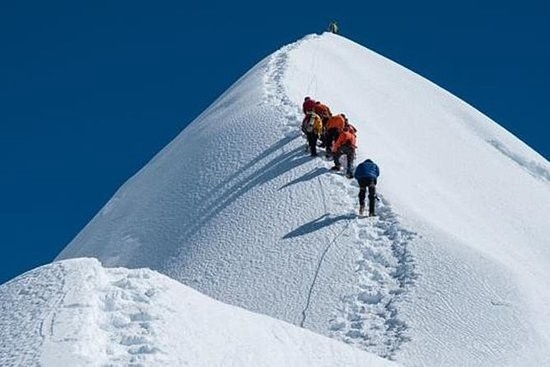
Island Peak Climbing is considered a challenging adventure that requires good physical fitness, mental preparation, and basic mountaineering skills. Although it is classified as a trekking peak, reaching the summit at 6,187 meters involves walking on glaciers, climbing steep sections, and using technical equipment such as ropes, crampons, and ice axes. Odea Services provides experienced guides and pre-climb training to help climbers prepare for the summit.
The trek follows a gradual acclimatization schedule to reduce the risk of altitude-related problems. Rest days in places like Namche Bazaar and Dingboche allow the body to adapt to higher elevations before moving toward the Island Peak Base Camp and High Camp. The summit day is the most demanding section and requires early morning climbing through rocky terrain and icy slopes.
Transportation during the Island Peak Climbing adventure combines comfortable ground transportation and scenic mountain flights. The journey starts with airport transfers in Kathmandu, followed by a short but thrilling flight from Kathmandu to Lukla. During the trek, all transportation is managed through walking trails, with porters and climbing staff supporting the expedition.
Difficulty and transportation features:
During the Island Peak Climbing journey, Odea Services ensures comfortable accommodation and nutritious meals throughout the trip. In Kathmandu, guests stay at comfortable hotels with modern facilities. During the trekking period, accommodation is provided in traditional mountain guesthouses where climbers can experience authentic Sherpa hospitality.
At higher elevations, accommodation becomes more basic but remains clean and comfortable. During the Island Peak Base Camp and High Camp sections, climbers stay in tented camps supported by a professional kitchen team. These camping arrangements provide necessary facilities while creating an authentic Himalayan expedition atmosphere.
Food plays an important role in maintaining energy during the climb. The trekking route offers a variety of local and international dishes, including traditional Nepali meals, Tibetan-style food, noodles, soups, rice, vegetables, and other nutritious options. During the climbing period, meals are carefully prepared to provide enough energy for challenging climbing activities.
Food and accommodation services include:
Island Peak Climbing requires several official permits issued by the Government of Nepal and local authorities. These permits help protect the natural environment of the Everest region and support conservation activities inside Sagarmatha National Park. Odea Services manages all required documentation and permits so climbers can focus completely on their adventure.
The main permits required for Island Peak include the Sagarmatha National Park entry permit, Khumbu Pasang Lhamu Rural Municipality permit, and Island Peak climbing permit issued by the Nepal Mountaineering Association (NMA). These permits are essential for legal access to the trekking routes and climbing areas.
Obtaining permits can be complicated for international travelers because of different regulations and paperwork requirements. With Odea Services, all necessary arrangements are completed professionally before and during the expedition.
Required permits for Island Peak Climbing:
Choosing the right company is essential for a safe and memorable Himalayan climbing experience. Odea Services provides professionally organized Island Peak Climbing packages designed for adventure lovers who want to experience Nepal’s natural beauty, Sherpa culture, and Himalayan mountaineering. From airport arrival to the final departure, every part of the journey is carefully managed.
Odea Services focuses on safety, comfort, and quality service by providing experienced trekking guides, climbing assistance, proper acclimatization plans, and reliable logistics. The team understands the challenges of high-altitude climbing and ensures that every climber receives proper guidance throughout the expedition.
With a combination of cultural tours, Everest region trekking, technical climbing experience, and personalized service, Island Peak Climbing with Odea Services becomes a complete Himalayan adventure. The journey is not only about reaching the summit but also about experiencing Nepal’s landscapes, traditions, and unforgettable mountain moments.
Reasons to choose Odea Services:
Our airport representative will receive you at the Tribhuvan International Airport (TIA) and transfer to your hotel. Depending upon the time of your arrival, pre-trip meeting will be hosted either on the first day or the first hour of the second day. During the evening, you will be taken for a traditional Nepali welcome dinner with cultural performances.Overnight at a Hotel. Welcome dinner included.
After your morning breakfast, you will be received by your guide for the sightseeing at Kathmandu. The sites you will be taken for are:
Swoyambhu Nath Stupa: Located on the top of the hill, Swoyambhunath Stupa is a Buddhist holy site also known as the monkey temple. The dome shaped Stupa with eyes on all four sides is absolutely beautiful. The view of the whole Kathmandu valley from the top of the stupa is breath taking.
Kathmandu Durbar Square: Located at the heart of Kathmandu, Kathmandu Durbar Square is one of the ancient palaces in Kathmandu Valley; Patan Durbar Square and Bhaktapur Durbar Square being the other two. The Durbar Square comprises of a palace, a courtyard, the temples and various statues.
Pashupatinath Temple: The holy Hindu temple, Pashupati nath is the temple of Lord Shiva and also comprises of many other temples. This UNESCO world heritage site is magnificent in structure and the holy Bagmati River that flows alongside is where cremation rituals are performed.
Boudhanath Stupa: Situated on the northeastern outskirts of Kathmandu, this is another holy place for the Buddhists. The dome, mandala, pinnacle, umbrella, and the whole Stupa itself is a true work of art and beauty. Recently renovated Stupa post-earthquake gives serenity in the crowded city.
Overnight at hotel. Breakfast included.
The early morning 35 minutes scenic flight from the domestic airport takes us to the most beautiful yet adventurous airport of the world, the Lukla or Tenzin Hillary Airport. After landing, we have the time to explore around the airport, the hills and the place itself. Then we start our trek descending towards Dudh Koshi River and heading towards Phakding. The trail today is easy and the walk mesmerizing through the suspension bridges and forests.
Overnight at a guesthouse. Breakfast, Lunch and Dinner Included.
After the morning breakfast, we start our trek towards Namche Bazar, the gateway to Everest. We walk along the banks of the beautiful Dudh Koshi, cross many suspension bridges laden with prayer flags. The trail goes steep up towards Namche Bazaar. This place is beautiful with many quality restaurants, hotels, bars, bakeries etc.
Overnight at a guesthouse. Breakfast, Lunch and Dinner Included.
Today we stroll around Namche Bazaar, do a little hiking and acclimatize to the thinning of the air. We can hike up to the Syanboche airport, from where the breathtaking views can be captured. We can also hike up to a museum that consists of traditional stuffs of the Sherpa people. Have a good lunch and prepare for the trek.
Overnight at a guesthouse. Breakfast, Lunch and Dinner Included.
Today we trek to Tengboche from Namche Bazaar. The trek continues along the rushing glacial waters of the Dudh Koshi with magnificent views of the mountains. We trek to an altitude of 3860 meters. On reaching Tengboche you will see the local monastery. Inside the monastery are incredibly ornate wall hangings, a 20-foot sculpture of Buddha, and the musical instruments and robes of the Lamas. The group will be taken to observe a prayer ceremony either in the evening or morning depending on how the day's trekking went.
Overnight at Guesthouse. Breakfast, Lunch and Dinner included
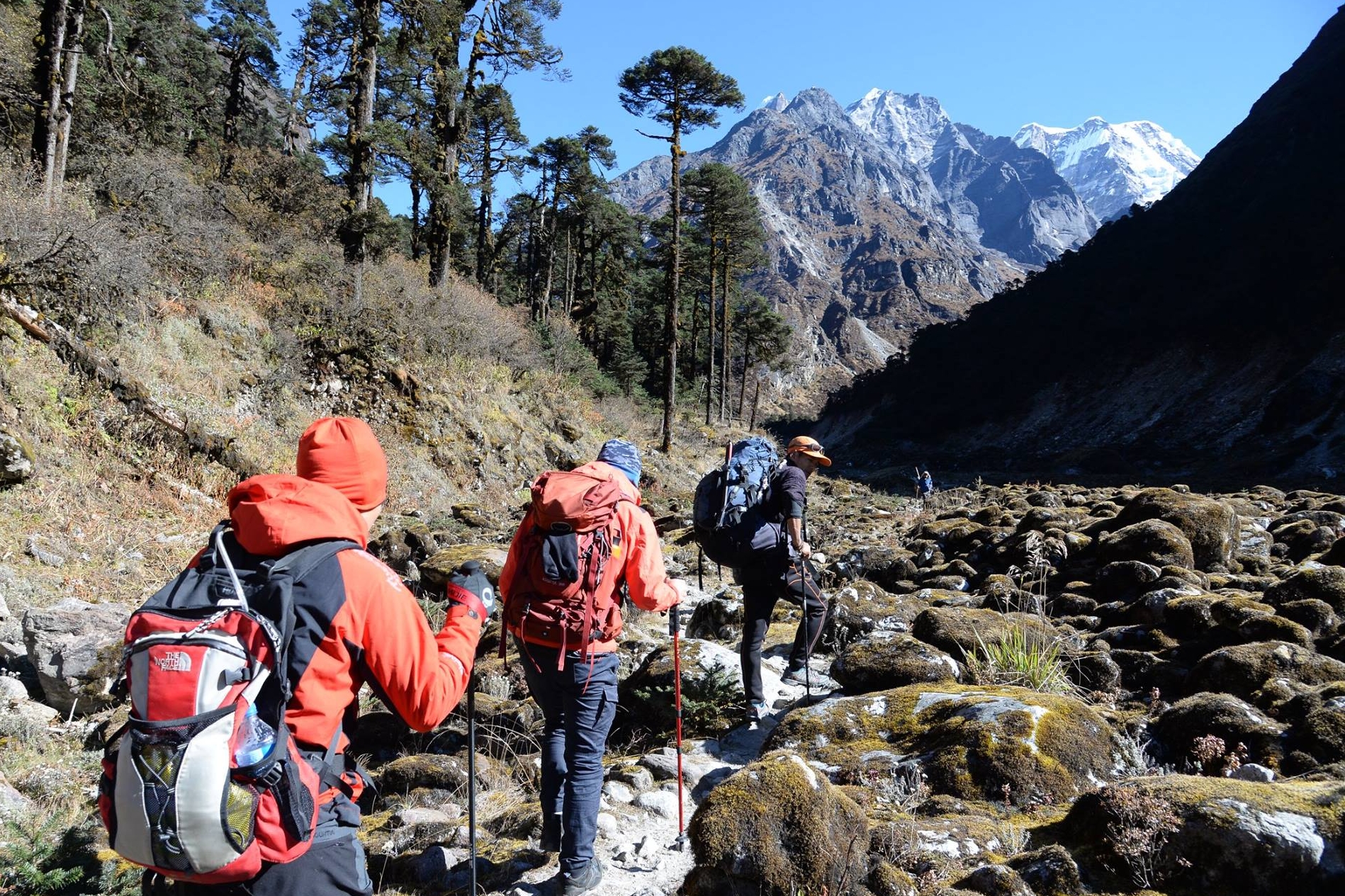
Wake up early in the morning and after breakfast we head towards Dingboche. From Tengboche the trail drops to Debuche, crosses another exciting suspension bridge on the Imja Khola, and climbs to Pangboche amongst thousands of mani stones. Our uphill trek continues, taking us to the quaint traditional Sherpa village of Dingboche with its exquisite views of Lhotse, Island Peak, and Ama Dablam. We take our time so we avoid getting affected by the altitude.
Overnight at Guesthouse. Breakfast, Lunch and Dinner included
Today is another important acclimatization day before moving toward Island Peak Base Camp. The purpose of this day is to help your body adapt to the increasing altitude while allowing you to explore the beautiful surroundings of the Imja Valley. After breakfast, we take a rewarding acclimatization hike toward Chhukung Ri, a popular viewpoint offering breathtaking panoramic views of some of the most impressive Himalayan peaks. The hike provides excellent views of Island Peak, Lhotse, Ama Dablam, Makalu, and the dramatic mountain landscapes surrounding the valley. Although the climb is challenging due to the altitude, it is a valuable preparation for the upcoming Island Peak summit attempt. Our experienced guides from Odea Services will carefully monitor your health condition and maintain a suitable pace throughout the hike. After enjoying the magnificent views from the viewpoint, we return to Dingboche for rest, relaxation, and preparation for the next stages of the climbing adventure.
Today you can enjoy a short trek of only 4 hours from Dingboche. We will have a trip to Chhukung valley via the Imja Khola valley to get a marvelous view of the surrounding mountains, especially Lhotse’s massive south wall. Today, you will meet with the climbing guide who will make the climbing equipment’s ready and manage the necessities for the climbing of the peak.
Overnight at Guesthouse. Breakfast, Lunch and Dinner included.
From Chukung, the climb today is steep towards the south and later turning to the eastern side of the valley w2hich again goes south to the Lhotse glacier. We keep climbing up on the riverbed till we reach a big rock. The route from then is a crisscross around Imja valley and the Lhotse glacier. After climbing up for 4 hours comes a wide valley. On the south east side of the valley appears the base camp of the Island peak.
Overnight at Tented Camp. Breakfast, Lunch and Dinner included.
Today is dedicated to acclimatization and essential pre-climbing preparation at Island Peak Base Camp. This day allows your body to adjust further to the high altitude while providing valuable practical training before attempting the summit. After breakfast, the experienced climbing guides from Odea Services will conduct a detailed climbing practice session. You will learn and practice important mountaineering techniques, including using climbing equipment, walking with crampons, handling ropes, using ice axes, ascending fixed lines, and maintaining proper safety procedures on snow and ice. The guides will also explain the summit day schedule, weather considerations, emergency procedures, and teamwork strategies. This training session is extremely important, especially for climbers with limited high-altitude climbing experience. The remaining time will be spent resting, checking personal equipment, and preparing mentally for the challenging summit attempt ahead. A nutritious meal and proper rest are essential today to maximize your energy for the climb toward High Camp and the summit.
Today, we pack all our stuffs, the tents, kitchen equipment’s, climbing equipment’s and head off to the High camp. As we climb the hill, the path gets narrow and the hills steep. The path is sandy at first but later leads into a steep rock channel. This is the High Camp and our resting space for the night.
Overnight at Tented Camp. Breakfast, Lunch and Dinner included.
Today, the ascend starts early in the morning walking through the rock gully. We walk along the ridgeline leading us to the snout of the glacier. The slopes ahead are full of snow and ice at most times. Thus, we pass along these with the help of a rope that takes us towards the peak. The peak is not far from this point of the slope i.e. only 3 ropes away. After reaching atop of the summit, breathtaking view of the Himalayan ranges, hills down below, valleys can be seen. Without wasting much time we climb back to the base camp and head towards Chukung.
Overnight at Guesthouse. Breakfast, Lunch and Dinner included.
We begin our trek to Tengboche early in the morning. The trail today is mostly descending and takes us through various villages of Dingboche, Orsho, Shomare and Lower Pangboche to reach the suspension bridge over the Imja Khola. After walking for almost 6 hours down the hills, we finally reach Tengboche our destination for today.
Overnight at Guesthouse. Breakfast, Lunch and Dinner included.
The early morning breakfast takes us back to the trail of rhododendron forests, juniper forests to Phunki Tenga. Then walking down towards the Dudh koshi, crossing the river, we climb up the hill to Trashinga. From here the trail goes up the hills to the Khumjung village, which is a world heritage site and falls under Sagarmatha National Park. There is a monastery at this village and also has most of the facilities. After resting at Khumjung, we head down to the gateway to Everest, Namche Bazaar.
Overnight at Guesthouse. Breakfast, Lunch and Dinner included.
Today marks the final trekking day of your Island Peak Climbing adventure as we make our way back to Lukla, where the journey originally began. After breakfast, we leave Namche Bazaar and follow the familiar trail descending through the beautiful landscapes of the Everest region. The route takes us along the Dudh Koshi River, crossing several suspension bridges decorated with colorful prayer flags and passing through charming Sherpa villages including Monjo, Phakding, and other small settlements. The walk is mostly downhill, allowing you to enjoy the surrounding forests, mountain views, and peaceful atmosphere of the region one last time. Although the trail is easier compared to previous days, the long descent requires careful walking to protect tired muscles after the successful Island Peak summit. Upon reaching Lukla, you can celebrate the completion of this incredible Himalayan adventure with your trekking team and enjoy a relaxing evening. Odea Services will arrange your comfortable accommodation and prepare you for your return flight to Kathmandu.
We catch the early morning flight from Lukla, be a part of the scenic mountain flight for the last time and fly back to Kathmandu. Our representative will fetch you and transfer you back to the hotel. You can spend the leisure time shopping, resting or strolling around Thamel.
Overnight at a Hotel. Breakfast included.
Today is reserved as a relaxing leisure day in Kathmandu after your successful Island Peak Climbing adventure. You can spend the day according to your personal interests and preferences. Many travelers choose to explore the vibrant streets of Thamel, where you can find traditional handicrafts, trekking souvenirs, local artwork, clothing, and unique gifts to take home. You may also visit nearby cultural attractions, enjoy a traditional Nepali meal, or simply relax at your hotel after the physically demanding Himalayan journey. This additional day also provides flexibility in case of unexpected delays during the trekking or flight schedule. The Odea Services team can assist you with recommendations for shopping areas, restaurants, sightseeing options, or any other arrangements you may require. It is a perfect opportunity to reflect on your incredible achievement of climbing Island Peak and enjoy the cultural richness of Kathmandu before your departure from Nepal.
Today is the final day of your unforgettable Island Peak Climbing journey with Odea Services. After breakfast at the hotel, our representative will meet you and provide a comfortable transfer to Tribhuvan International Airport approximately three hours before your scheduled flight departure. During the drive to the airport, you can enjoy your final moments in Kathmandu and reflect on the incredible experiences you have collected throughout your Himalayan adventure, from trekking through Sherpa villages to standing on the summit of Island Peak at 6,187 meters. Our team will ensure that your airport transfer is smooth and convenient, assisting you with any final arrangements before departure. Odea Services sincerely hopes that your journey with us has been safe, enjoyable, and memorable. We look forward to welcoming you again for another trekking or climbing adventure in the beautiful Himalayas of Nepal.
Your Start Date is the day you land in Nepal, and your End Date is when you fly home.
If the set Island Peak Climbing group dates don’t suit your schedule, we can offer alternative dates upon request.
Proper layering is important to stay warm and comfortable in changing mountain weather.
Good footwear makes trekking easier and safer.
The right gear keeps you safe, comfortable, and prepared.
Lightweight but important items keep you clean, healthy, and comfortable.
Keep important items safe and easy to reach.
Island Peak, also known as Imja Tse, stands at 6,189 meters (20,305 feet) in the Everest region of Nepal. It is a popular trekking peak, renowned for its stunning views of the surrounding Himalayan mountains, including Mount Everest, Lhotse, and Nuptse. The climb offers a unique opportunity for adventurers looking to experience high-altitude mountaineering without the technical difficulties of larger peaks.
Island Peak is suitable for trekkers with a good level of physical fitness and some prior trekking experience. While no technical climbing skills are required, a basic understanding of mountaineering techniques, such as using crampons and an ice axe, is beneficial. Many climbers choose to participate in a training course before the expedition to build confidence and skills.
Yes, altitude sickness is a significant concern when climbing Island Peak. Proper acclimatization is essential to minimize risks. Climbers are advised to ascend slowly, stay hydrated, and be aware of the symptoms of altitude sickness, which include headaches, nausea, and dizziness. Most itineraries include rest days specifically for acclimatization.
Island Peak is considered a challenging trekking peak that requires physical endurance, mental preparation, and basic technical climbing skills. While it is not among the most technically difficult Himalayan mountains, reaching the summit involves steep sections, glacier crossing, snow climbing, and exposure to high altitude. The final summit push can be physically demanding due to low oxygen levels and cold conditions. Odea Services designs the itinerary carefully with gradual altitude gain, acclimatization periods, and pre-climb training to improve your chances of success. With proper preparation, a positive mindset, and guidance from experienced climbing professionals, many determined trekkers with limited mountaineering experience successfully complete the Island Peak adventure.
The standard Island Peak Climbing itinerary with Odea Services takes approximately 19 days, including arrival in Kathmandu, sightseeing, trekking, acclimatization, climbing preparation, summit attempt, and return journey. The itinerary is designed to provide enough time for proper acclimatization while allowing climbers to enjoy the cultural and natural highlights of the Everest region. The route passes through famous Sherpa villages such as Namche Bazaar, Tengboche, Dingboche, and Chhukung before reaching Island Peak Base Camp. Odea Services avoids rushing the schedule because gradual altitude adjustment is essential for safety and climbing success. The carefully planned journey allows you to experience both Himalayan adventure and Nepalese culture.
Odea Services provides professionally organized Island Peak Climbing expeditions designed for adventure enthusiasts seeking a safe, memorable, and well-managed Himalayan experience. Our team combines experienced climbing guides, detailed itinerary planning, reliable logistics, and personalized support throughout the journey. From airport arrival and cultural sightseeing in Kathmandu to trekking through Sherpa villages and reaching the Island Peak summit, we manage every important detail of your adventure. Odea Services focuses on safety, customer satisfaction, and responsible travel practices while providing authentic Himalayan experiences. With our local knowledge and professional support, climbers can confidently enjoy one of Nepal’s most rewarding trekking peak adventures.
The ideal times for climbing Island Peak are during the spring (April to May) and autumn (September to October). These seasons offer stable weather conditions, clearer skies, and relatively mild temperatures, making the ascent safer and more enjoyable. Winter climbs are generally discouraged due to extreme cold and heavy snowfall.
Mountain weather in the Everest region can change quickly, and safety always remains the highest priority during Island Peak Climbing. If unfavorable weather conditions such as heavy snowfall, strong winds, or poor visibility occur, the Odea Services climbing team will carefully evaluate the situation before making any decisions. Our experienced guides prioritize climber safety over summit success and may adjust the schedule if necessary. Having experienced local guides helps greatly because they understand Himalayan weather patterns and climbing conditions. While we cannot control mountain weather, Odea Services carefully selects suitable climbing seasons and maintains flexible planning to provide the best possible opportunity for a successful summit experience.
While it is possible to climb Island Peak independently, hiring a guide is highly recommended. Experienced guides provide essential support, ensure safety, and help navigate the route. They also have local knowledge, which can enhance your overall experience. Most trekking companies offer fully supported packages, including guides, porters, and accommodation.
To climb Island Peak, you will need a trekking permit for the Everest region, as well as a climbing permit specifically for Island Peak. These permits are usually arranged by your trekking company and are included in their service packages. It’s essential to ensure all necessary permits are obtained before starting your journey.
Island Peak Climbing requires proper trekking and mountaineering equipment to ensure safety and comfort throughout the journey. Essential personal equipment includes warm clothing layers, trekking boots, waterproof jackets, gloves, sunglasses, sleeping bags, backpacks, and personal climbing gear. Technical equipment such as climbing ropes, crampons, harnesses, and ice axes is required for the summit section. Odea Services provides guidance regarding the complete equipment checklist before your arrival in Nepal. We also provide or arrange necessary climbing equipment based on the package details. Our climbing guides inspect all equipment before the summit attempt to ensure everything is suitable and safe for the challenging Himalayan environment.
During the Island Peak Climbing expedition, accommodation is provided in comfortable local teahouses during the trekking sections and tented camps during the Island Peak Base Camp and High Camp periods. Teahouses provide basic but comfortable facilities with shared rooms, warm dining areas, and traditional hospitality from local Sherpa communities. Meals include nutritious local and international dishes designed to provide sufficient energy for trekking and climbing. Odea Services ensures that meals are hygienically prepared and suitable for high-altitude conditions. Breakfast, lunch, and dinner are included throughout the trekking and climbing period, with special attention given to maintaining your strength and energy for the challenging mountain journey.