Need help with booking? Send us a message.
The Annapurna Circuit Trek with Odea Services is an unforgettable Himalayan adventure that combines spectacular mountain scenery, rich cultural experiences, and diverse landscapes. Crossing the iconic Thorong La Pass (5,416 m), this classic trek takes you through traditional villages, ancient monasteries, and breathtaking valleys, creating memories that last a lifetime.
Hotel in Kathmandu and Tea House / Lodge during the trek
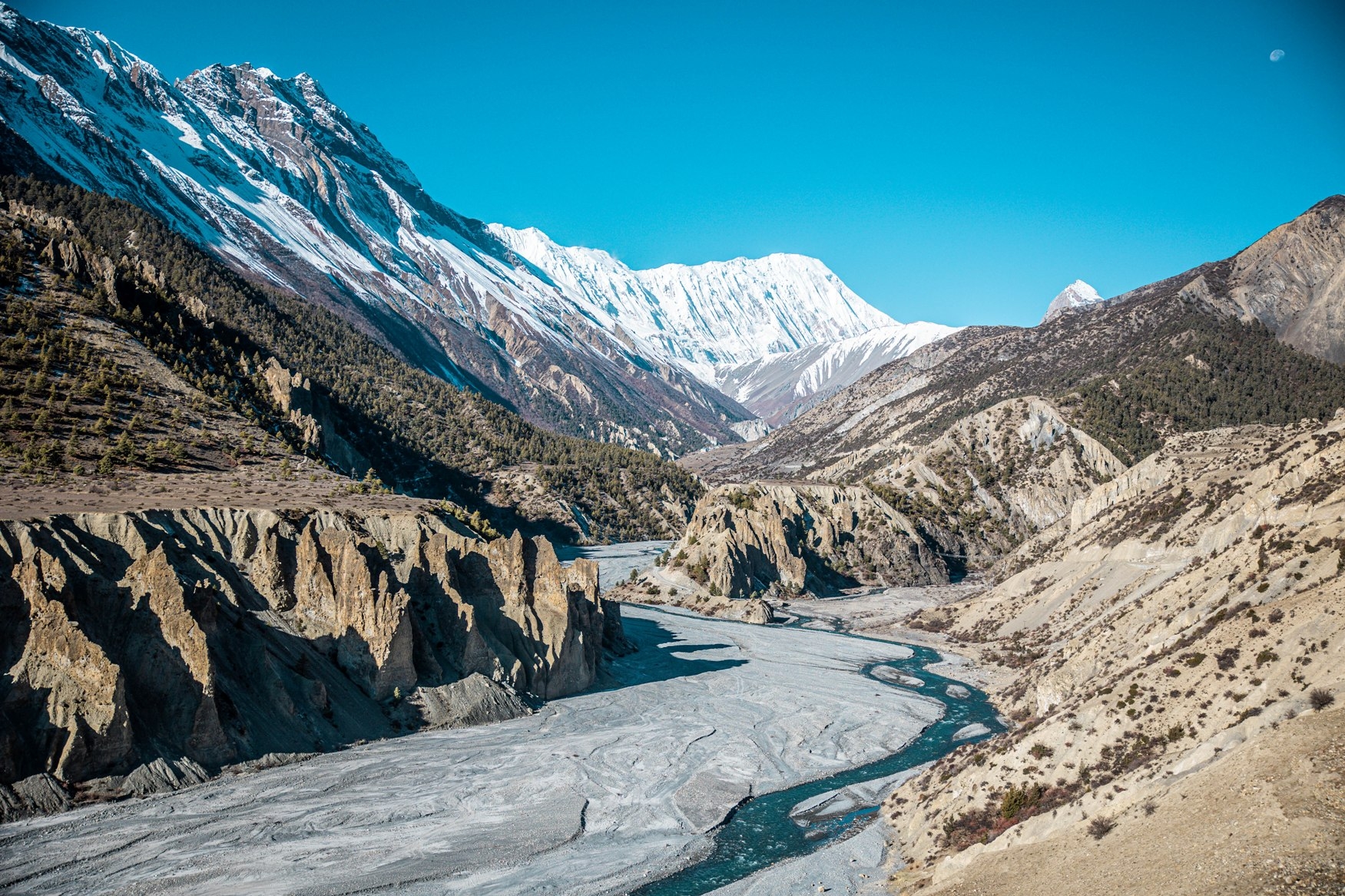
Annapurna Circuit Trek, one of the most well-known classic treks in the world. The region is also rich in terms of unique culture, tradition and lifestyle of people. Magnificent scenery, assorted cultures, forests, lakes and glaciers combine to make it one of the most charming areas for the travelers. The Annapurna Circuit Trekking route encircles the Annapurna Range, a collection of massive, snow-covered summits, many over 26,000 feet. While walking on the Annapurna circuit trekking route, you will encounter 17,000-foot passes, glaciers, the world's deepest valley, pine forests, rice paddies, tundra, remote villages, and ancient monasteries. Most trekking start up the Marsyandi River, then continue north in the wooded Manang Valley through Chamje, Pisang, and Braga (or other villages in the valley). Close up views of the Annapurna range, varied ecosystems, various cultures and an ever-changing landscape - lush, green paddy fields and oak forests and the deepest gorge in the world makes this one of the most popular treks in the world. This classic adventure trekking allowing you to reach the heart of the mountains and safely back to Lake city Pokhara.
Annapurna Circuit Trek Itinerary Overview
The Annapurna Circuit Trek is one of the world's most legendary trekking adventures, offering an unforgettable journey through the diverse landscapes of the Nepal Himalayas. Organized by Odea Services, this iconic trek takes you around the magnificent Annapurna Massif, passing through picturesque villages, dense forests, alpine meadows, deep river valleys, and the breathtaking Thorong La Pass (5,416 meters). The trek combines natural beauty, cultural richness, and mountain adventure into a single remarkable experience that attracts trekkers from around the globe. Along the route, travelers enjoy panoramic views of Annapurna I, Annapurna II, Annapurna III, Annapurna IV, Dhaulagiri, Gangapurna, Tilicho Peak, and several other snow-capped giants.
Beginning from Kathmandu, the journey follows the Marsyangdi River through charming settlements such as Jagat, Dharapani, Chame, Pisang, and Manang before reaching the high Himalayan landscapes. A carefully planned acclimatization day in Manang helps trekkers adapt to the increasing altitude before crossing the famous Thorong La Pass. After the pass, the trail descends to the sacred pilgrimage site of Muktinath and continues to Jomsom before flying to Pokhara. Throughout the trek, visitors encounter ancient monasteries, prayer wheels, chortens, suspension bridges, and the warm hospitality of Gurung, Thakali, and Manangi communities. The constantly changing scenery—from lush rice terraces to barren Himalayan deserts—makes every day unique. Odea Services ensures experienced guides, reliable logistics, and personalized support, allowing trekkers to fully enjoy this classic Himalayan adventure with comfort and safety.
Highlights
Cross the famous Thorong La Pass (5,416 m)
Explore traditional Gurung, Manangi, and Thakali villages
Visit the sacred temple of Muktinath
Experience diverse landscapes and ecosystems
Spectacular views of Annapurna and Dhaulagiri ranges
Professional trekking support from Odea Services
The Annapurna Circuit Trek can be completed throughout much of the year, but the most favorable seasons are spring (March to May) and autumn (September to November). These months provide stable weather, moderate temperatures, and excellent mountain visibility, creating ideal trekking conditions. During spring, the forests bloom with colorful rhododendrons, magnolias, and wildflowers, making the lower sections especially beautiful. Clear skies reveal uninterrupted views of Annapurna, Dhaulagiri, Machhapuchhre, Gangapurna, and other Himalayan peaks. Daytime temperatures remain comfortable, while nights become colder as the altitude increases.
Autumn is considered the peak trekking season because of its crystal-clear mountain views and dry trails following the monsoon. The weather remains stable, making flights and transportation more reliable. Winter trekking is possible for experienced adventurers prepared for snow and freezing temperatures, especially around Thorong La Pass. During the monsoon season (June to August), heavy rainfall affects lower elevations, while higher regions remain comparatively dry due to the rain-shadow effect. Odea Services helps trekkers choose the best departure dates according to weather forecasts, trail conditions, and individual preferences to ensure a safe and enjoyable trekking experience.
Best Seasons
Spring: March – May
Autumn: September – November
Winter: Suitable for experienced trekkers
Monsoon: Less crowded but occasional rain in lower regions
Excellent mountain views during spring and autumn
The Annapurna Circuit Trek is considered a moderately challenging to strenuous trek due to its length, changing terrain, and high altitude. Although no technical climbing skills are required, trekkers should have good physical fitness and be prepared to walk between 5 and 8 hours daily. The highest point, Thorong La Pass at 5,416 meters, demands proper acclimatization and careful pacing to reduce the risk of altitude sickness. The itinerary includes a valuable rest day at Manang, allowing trekkers to adjust safely before ascending further. With proper preparation, determination, and experienced guides, most healthy trekkers successfully complete this incredible journey.
Transportation is an important part of the adventure. The trip begins with a scenic drive from Kathmandu to Jagat or Syange through picturesque hills, rivers, and traditional villages. After completing the trek at Jomsom, trekkers take a spectacular mountain flight to Pokhara, followed by a domestic flight, tourist bus, or private vehicle back to Kathmandu. Odea Services arranges comfortable transportation, experienced drivers, domestic flights, trekking permits, and professional guides, ensuring smooth logistics throughout the entire journey.
Difficulty & Transport
Moderate to challenging trek
Daily walking: 5–8 hours
Highest elevation: Thorong La Pass (5,416 m)
Drive from Kathmandu to trek starting point
Flight from Jomsom to Pokhara
Return to Kathmandu by flight, tourist bus, or private vehicle
Throughout the Annapurna Circuit Trek, trekkers stay in comfortable mountain teahouses operated by local families. These lodges provide simple but clean twin-sharing rooms with blankets, pillows, and shared bathrooms in most locations. Facilities become more basic at higher elevations, especially near Thorong Phedi. Dining halls are warm and welcoming, often heated with traditional stoves where trekkers gather to relax after each day's hike. The hospitality of local communities adds a memorable cultural experience to every overnight stay.
The trekking route offers a wide variety of freshly prepared meals. Traditional Dal Bhat remains the most popular choice because it provides balanced nutrition and unlimited refills in many teahouses. Other menu options include fried rice, noodles, pasta, Tibetan bread, momos, soups, pancakes, eggs, potatoes, pizza, porridge, tea, coffee, and hot chocolate. Safe drinking water is available through purification systems or boiled water. Odea Services recommends maintaining proper hydration and consuming nutritious meals throughout the trek to support energy levels and altitude adaptation.
Food & Accommodation
Comfortable local teahouses
Twin-sharing rooms
Traditional Dal Bhat and international dishes
Vegetarian meals widely available
Hot drinks and purified drinking water
Friendly local hospitality
Every trekker must obtain the necessary permits before entering the Annapurna Conservation Area. These permits help protect the fragile Himalayan environment, support conservation projects, and regulate tourism in the region. The two mandatory permits are the Annapurna Conservation Area Permit (ACAP) and the Trekkers' Information Management System (TIMS) Card. Trekking without these documents is not permitted, and they are checked at multiple checkpoints throughout the journey.
Obtaining permits has become simple when booking through Odea Services. The company handles all required paperwork, ensuring permits are ready before the trek begins. Trekkers only need to provide passport copies, passport-sized photographs, and valid travel insurance details. Having professional assistance saves valuable time and allows travelers to focus entirely on enjoying the adventure instead of administrative procedures.
Required Permits
Annapurna Conservation Area Permit (ACAP)
TIMS Card
Valid passport
Passport-sized photographs
Travel insurance recommended
Permit arrangements by Odea Services
The Annapurna Circuit Trek remains one of Nepal's finest trekking experiences because it combines dramatic mountain scenery, authentic Himalayan culture, biodiversity, and rewarding physical adventure in one complete journey. Every day presents something different—from subtropical forests and waterfalls to alpine deserts and glacial landscapes. The trek also introduces visitors to ancient monasteries, Buddhist traditions, prayer flags, yak pastures, and centuries-old villages that preserve unique mountain lifestyles. Crossing Thorong La Pass is a major personal achievement that creates lifelong memories.
Choosing Odea Services means trekking with a trusted local company committed to safety, quality service, and responsible tourism. Experienced licensed guides, friendly porters, carefully designed itineraries, reliable transportation, quality accommodation, and personalized customer care ensure every traveler enjoys a smooth and memorable adventure. Whether you are an experienced trekker or embarking on your first Himalayan expedition, Odea Services provides professional support from arrival in Kathmandu until your final departure, making your Annapurna Circuit Trek an extraordinary lifetime experience.
Why Trek with Odea Services
Experienced local guides
Well-planned itineraries
Reliable transportation and logistics
Comfortable teahouse arrangements
Safety-focused trekking support
Authentic cultural experiences
Excellent customer service
Memorable Himalayan adventure
Trek Style: Lodge and teahouse trekking with comfortable local guesthouse accommodation.
Trekking Grade: Moderate to challenging due to high altitude and long walking days.
Trekking Region: Annapurna Conservation Area, Central Nepal.
Highest Point: Thorong La Pass – 5,416 m (17,769 ft).
Trekking Duration: 10 Nights / 11 Days on the trekking trail.
Total Trip Duration: 14 Nights / 15 Days from arrival to final departure.
Best Seasons: Spring (March–May) and Autumn (September–November) for clear mountain views and stable weather.
Winter Trek: Possible from December to February for experienced trekkers prepared for cold temperatures and snow.
Monsoon Season: June to August brings rainfall at lower elevations; higher areas are relatively drier due to the rain-shadow effect.
Culture: Experience the unique traditions and hospitality of the Gurung, Manangi, and Thakali communities, along with ancient Buddhist monasteries and sacred sites.
Permits Required: Annapurna Conservation Area Permit (ACAP) and TIMS Card.
Travel Insurance: Comprehensive insurance covering high-altitude trekking is strongly recommended.
Operated By: Odea Services, providing experienced guides, reliable logistics, and personalized support for a safe and memorable Himalayan adventure.
The 15-day Annapurna Circuit Trek with Odea Services begins with your arrival in Kathmandu, followed by a guided sightseeing tour of the city's UNESCO World Heritage Sites. A scenic drive takes you to Syange or Jagat, where the trekking adventure starts. The trail gradually ascends through traditional villages including Dharapani, Chame, Pisang, and Manang, offering spectacular views of the Annapurna and Manaslu ranges. A valuable acclimatization day in Manang helps prepare for higher elevations before continuing toward Yak Kharka and Thorong Phedi.
The highlight of the trek is crossing the magnificent Thorong La Pass (5,416 m), one of the world's highest trekking passes, before descending to the sacred pilgrimage site of Muktinath. The journey continues through the Kali Gandaki Valley to Jomsom, followed by a scenic mountain flight to Pokhara. After returning to Kathmandu by flight, tourist bus, or private vehicle, your unforgettable Himalayan adventure concludes with a farewell departure. Throughout the journey, Odea Services provides experienced guides, reliable logistics, comfortable accommodation, and personalized support for a safe and memorable trekking experience.
Upon arrival in Kathmandu, we will greet you at the airport and then transfer you to your hotel. In the evening, there will be a welcome dinner. Overnight stay at the hotel.
After breakfast, you will be taken sightseeing at two medieval cities of the Kathmandu Valley and Bhaktapur.
Boudhanath Stupa: Situated to the northeastern outskirts of Kathmandu, this is another holy place for Buddhists. The dome, mandala, pinnacle, umbrella and the whole Stupa itself is a true works of art and beauty. Recently renovated Stupa post-earthquake gives serenity in the crowded city.
Bhaktapur Durbar Square:Bhaktapur was the capital of Nepal during the great Malla Kingdom. Bhaktapur has the best-preserved palace courtyards and old city center in Nepal and is listed as a world heritage site of UNESCO for its rich culture, temples, and wood, metal and stone artworks. You will be taken to the attraction sites such as Bhaktapur Durbar Square, Nyatapola Temple, BhairabNath Temple, Dattatreya Temple.Evening Trek preparation(B)
After having breakfast then we heading to the scenic drive to Beshisahar via the Prithivi Highway. From Beshisahar we drive to Syange by local jeep. While driving we will have many chances to observe rural people & various cultures along the highway. From Syange we trek to Jagat. Overnight at guesthouse.
Heading to Dharapani. After breakfast start the working through jungle after we leave Chyamje from Chyamje the trail goes bank of the Marshyangdi River mostly climbing before arriving in Tal from here, we enter the Manang district trail continues through barley, and rice, potato fields, and pine forests past the village of Kodo taking us to Dharapani, which is one of the big villages in the Manang valley. O/N at Guest house.(B/L/D)
Wake up early in the morning then head to Chame. Today The trail climbs along the mule track through the forest and then follows the river for a time amongst the higher oak and maple trees. On the way, you will have spectacular views of major Himalayan peaks. Overnight at guesthouse.(B/L/D)
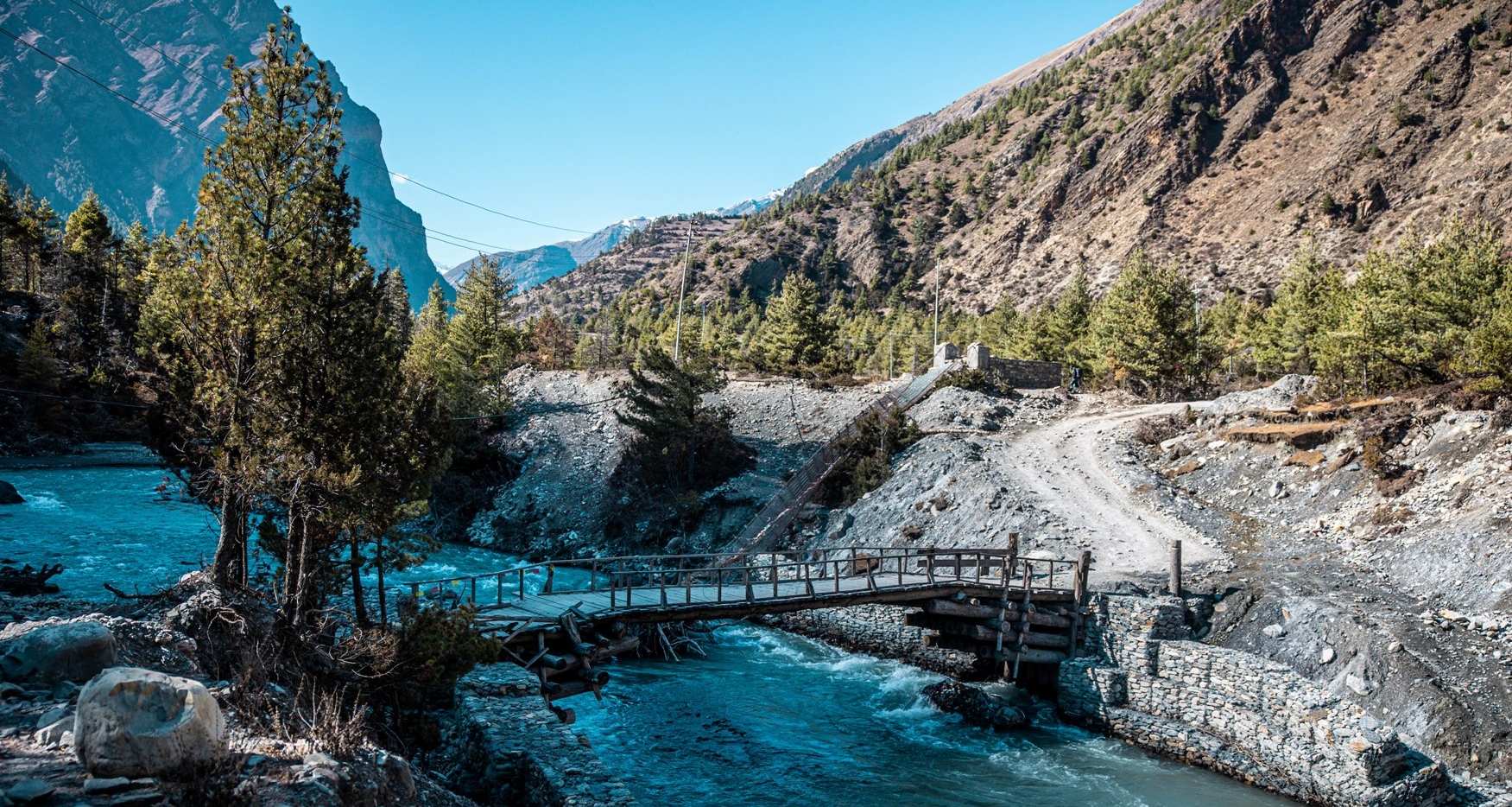
We will first pass the older part of Chame and climb up to Telekhu at 2840 meters and continue with a long pleasant and mostly level walk through the forest to Brathang, which lies at 2950 meters. After the trail rounds a bend here we will see the first view of the dramatic Paungda Danda rock face, a tremendous curved slab of rock rising more than 1500 meter from the river. We will cross back to the south bank of the Marsyangdi on a suspension bridge at 3080 meter and then make a long gentle climb over a ridge through blue pine forests. After this the trek will be reasonably level as it heads to the upper part of Manang valley to Pisang. This town marks the beginning of the region known as Nyesyang, the upper portion of the Manang district (5 hrs).O/N at lodge.(B/L/D)
Heading to Manang. Today our trek will slowly climb up to the Tibetan-style village of Bryaga at 3500 meters following the valley floor. At Bryaga we will see houses stacked one atop the other, each with an open veranda formed by a neighbor’s rooftop. The gompa, perched on a high crag overlooking the village, is the largest in the district and has an outstanding display of statues. O/N at Lodge.(B/L/D)
Today, you hang around town. This is an important rest and acclimatization day before crossing the Thorung La. There are optional day walks such as crossing the river to see the tremendous icefall coming down from the Annapurnas, or climbing high above the village for a full panorama of the Annapurna range and the Manang Valley. There is also a Himalayan Rescue Association [HRA] aid post in the village which makes an interesting and educational visit. Moreover you can visit Ganagapurna Glacier Lake to make your rest day a memorable one.(B/L/D)
Now the trail ascends gently all the way to Yak Kharka passing through the Gunsang (3960m.) village. En route, you can see panoramic views all the day.(B/L/D)
Leaving Yak Kharka, you climb gradually to a ridge before descending to the headwaters of the Marsyangdi and crossing via a covered wooden bridge. After a short ascent up the mountain path on the right bank, you follow a narrow trail across an unstable spree slope and then descend to Thorung Phedi.(B/L/D)
Today is a long trek starting before sunrise at maybe 04:00 hrs to reach the pass by 09:00/10:00 hrs at the latest, as otherwise weather conditions will greatly affect the journey. We cross over at an altitude of 5416m so can be exposed to strong winds if crossing too late. Local people have used this trail for hundreds of years to bring herds of sheep and yaks in and out of Manang. Thus the trail, while often steep, is well defined and easy to follow. Snow can block the pass at any time of the year if there has been an unseasonable storm. It takes from four to six hours from Thorung Phedi to the pass, but the many false summits mean the climb seems to go on for ever.At the Thorung La pass, with its traditional prayer flags and stone cairn we will have outstanding views. You can see the Annapunas, Gangapurna and Khatung Kang, a heavily glaciated peak. Amazingly there is a teashop here on top of the pass at 5416 meter. From here we start a long descend of about 1600 meter with outstanding views of Dhaulagiri mountain standing alone in the distance across the valley. After the trail becomes less steep we will enter grassy fields and cross meadows to our final destination of Muktinath, which means place of Nirvana and is home to the Muktinath temple as well as several monasteries. It is said that all sorrows you feel are relieved when visiting the Temple, which is a scared pilgrimage site to both Hindus and Buddhists. The main pilgrimage normally takes place in September. The Temple is dedicated to Lord Vishnu and has 108 waterspouts around it from which Holy water pours. Another attraction nearby is the Jwala Mai Temple and which contains a spring and an eternal flame fed by natural underground gas (9 hrs).(B/L/D)
Prepare for a beautiful journey as we descend from Muktinath down to Jomsom! The trek will take about 5 hours, and you'll have a chance to enjoy the stunning scenery along the way. (B/L/D)
Start your day with an early morning flight to the breathtaking Pokhara. Experience the tranquility and beauty of this paradise as you unwind and recharge. Relaxing time in Pokhara(B)
After breakfast, transfer to Pokhara airport and fly back to Kathmandu, which only takes 25 minutes. Explore the Thamel area and overnight at the hotel. (B)
The trek through the mountains of Nepal draws to a close today. Odea Services Team will facilitate your transfer to the airport in accordance with your scheduled flight.
Before joining the Annapurna Circuit Trek with Odea Services, it is important to understand the essential travel information for a safe and enjoyable journey. The trek includes scenic road transportation, comfortable teahouse accommodation, nutritious local meals, and guided sightseeing in Kathmandu. Carry sufficient Nepalese currency for personal expenses, as ATMs are limited in the mountains. Valid travel insurance covering high-altitude trekking, necessary travel documents, and required permits are essential. Learning a few basic Nepali greetings can enhance your cultural experience, while following your guide's advice helps ensure safety, proper acclimatization, and a memorable adventure throughout the trek.
Comfortable road transport and domestic flights (as per itinerary)
Local teahouse accommodation with daily meals during the trek
Carry Nepalese cash for remote areas
Comprehensive travel insurance is mandatory
Valid passport, visa, and trekking permits required
Basic Nepali phrases are helpful when interacting with locals
Respect local culture, traditions, and religious sites
Follow your guide's advice for altitude and trail safety
Drink plenty of water and acclimatize properly
Odea Services provides professional guides and complete trekking support
Your Start Date is the day you land in Nepal, and your End Date is when you fly home.
If the set Annapurna Circuit Trek group dates don’t suit your schedule, we can offer alternative dates upon request.
Proper layering is important to stay warm and comfortable in changing mountain weather.
Good footwear makes trekking easier and safer.
The right gear keeps you safe, comfortable, and prepared.
Lightweight but important items keep you clean, healthy, and comfortable.
Keep important items safe and easy to reach.
Nepal welcomed 14 of us with warmness from Odea in Tribhuvan International Airport. We have two teams, one climbs Chulu East ~6,500m and one does the trek to Tilicho lake ~4,900m.I would like to express my great thanks to the Sherpa team, to Hem, Pasang, and Devi - all of the lovely, dedicated, and funny people. You guys are part of our truly memorable experience. Hope you are all of the health, and happiness and see you again!
The Annapurna Circuit Trek is one of the most popular and classic trekking routes in Nepal. Stretching approximately 160 to 230 kilometers (100 to 145 miles), this trek takes you around the Annapurna massif, offering breathtaking views of some of the highest peaks in the world, including Annapurna I, Annapurna II, and Dhaulagiri. The trek typically lasts between 15 to 20 days, depending on your itinerary and pace, and it is known for its stunning landscapes, diverse ecosystems, and rich cultural experiences.
The Annapurna Circuit Trek is considered moderately challenging. A good level of physical fitness is essential, as the trek involves long days of walking, steep ascents, and significant altitude gain. Regular cardiovascular training, such as hiking or running, and strength exercises focusing on leg and core muscles, will help prepare you. It’s advisable to consult with a healthcare professional if you have any pre-existing health conditions.
The Annapurna Circuit Trek is filled with incredible highlights:
Diverse Landscapes: Experience a variety of terrains, from lush subtropical forests and terraced fields to high alpine meadows and arid landscapes.
Throng La Pass: At 5,416 meters (17,769 feet), this is the highest point of the trek, providing panoramic views of the surrounding peaks.
Cultural Encounters: Pass through traditional villages inhabited by diverse ethnic groups such as Gurungs, Thakalis, and Manangis, offering insights into their rich culture and hospitality.
Natural Hot Springs: Relax in the natural hot springs at Tatopani, a perfect way to unwind after long trekking days.
The trek usually starts in jagat, which is accessible by bus or private vehicle from Kathmandu. Most trekking companies include transportation as part of their package. The drive offers scenic views of the countryside, setting the stage for your trekking adventure.
While it is possible to trek independently, many trekkers opt to join an organized group or hire a guide. This not only enhances safety but also provides valuable insights into the local culture and environment. Additionally, permits are required for trekking in the Annapurna region, which can be easier to manage with a guide.
Altitude sickness can occur at elevations above 2,500 meters (8,200 feet). To minimize the risk, ascend gradually, stay well-hydrated, and pay attention to symptoms such as headaches, nausea, or dizziness. If symptoms arise, it’s crucial to descend to a lower altitude immediately and seek medical assistance if needed. Having a knowledgeable guide can help monitor your condition and provide necessary support.
The ideal times for the Annapurna Circuit Trek are during the spring (March to May) and autumn (September to November). Spring offers mild temperatures and blooming flowers, while autumn provides clear skies and stable weather conditions. The monsoon season (June to August) brings heavy rainfall, which can lead to landslides and difficult trekking conditions. Winter (December to February) can be cold, especially at higher elevations, with snow that may affect trail access.
Accommodation along the Annapurna Circuit primarily consists of teahouses and lodges. These vary from basic to more comfortable options, often offering shared facilities. Most provide bedding, but bringing a sleeping bag is recommended for extra warmth, especially at higher altitudes. The hospitality of the lodge owners often enhances the trekking experience.