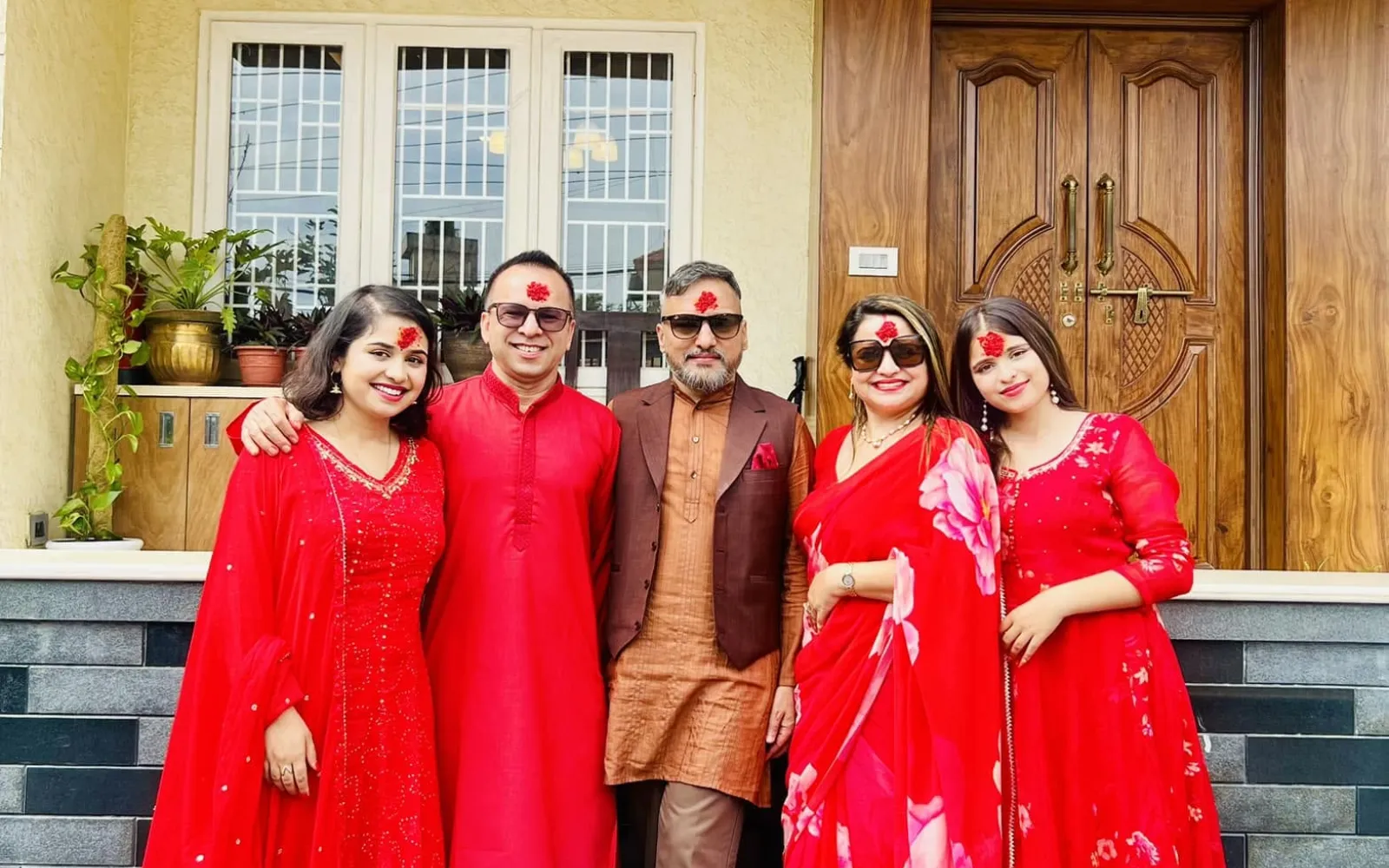
Dashain Festival in Nepal is the country’s most widely celebrated festival and one of the most meaningful occasions in the Nepali calendar. It is a time when families return to their hometowns, homes become filled with relatives, elders give blessings to younger generations, and communities come together to celebrate faith, prosperity, and the victory of good over evil.Although Dashain has deep Hindu religious roots and is strongly associated with Goddess Durga, its importance extends far beyond religious worship. For many Nepalis, Dashain means going home, meeting parents and grandparents, enjoying traditional food, wearing new clothes, receiving Tika and Jamara, and spending precious time with family.The festival traditionally lasts 15 days, with the most important celebrations taking place around Ghatasthapana, Phulpati, Maha Ashtami, Maha Navami, and Vijaya Dashami.For international visitors, Dashain offers a wonderful opportunity to experience a different side of Nepal,one centered on family, spirituality, traditional customs, local food, music, community life, and warm Nepali hospitality.
Dashain Festival 2026 Dates:Dashain follows the traditional lunar calendar, so its dates change each year when converted into the Gregorian calendar.In 2026, Dashain begins on October 11 and concludes with Kojagrat Purnima on October 25.
Day Festival / Occasion Date in 2026
Day 1 Ghatasthapana October 11, 2026
Day 7 Phulpati October 17, 2026
Day 8 Maha Ashtami October 18, 2026
Day 9 Maha Navami October 20, 2026
Day 10 Vijaya Dashami / Dashain Tika October 21, 2026
Day 15 Kojagrat Purnima October 25, 2026
Dashain Tika 2026:Vijaya Dashami, October 21, 2026, is the central day of Dashain. This is when families gather to receive Tika and Jamara from elders.The auspicious Tika Sait for 2026 is expected to be around 11:53 AM Nepal time. As the official festival calendar and auspicious timings can be subject to confirmation, visitors should check the final announcement closer to the festival.
The 15 Days of Dashain:Dashain is traditionally observed over 15 days. While every day has its own religious significance, several days are particularly important to Nepali families and visitors interested in experiencing the festival.
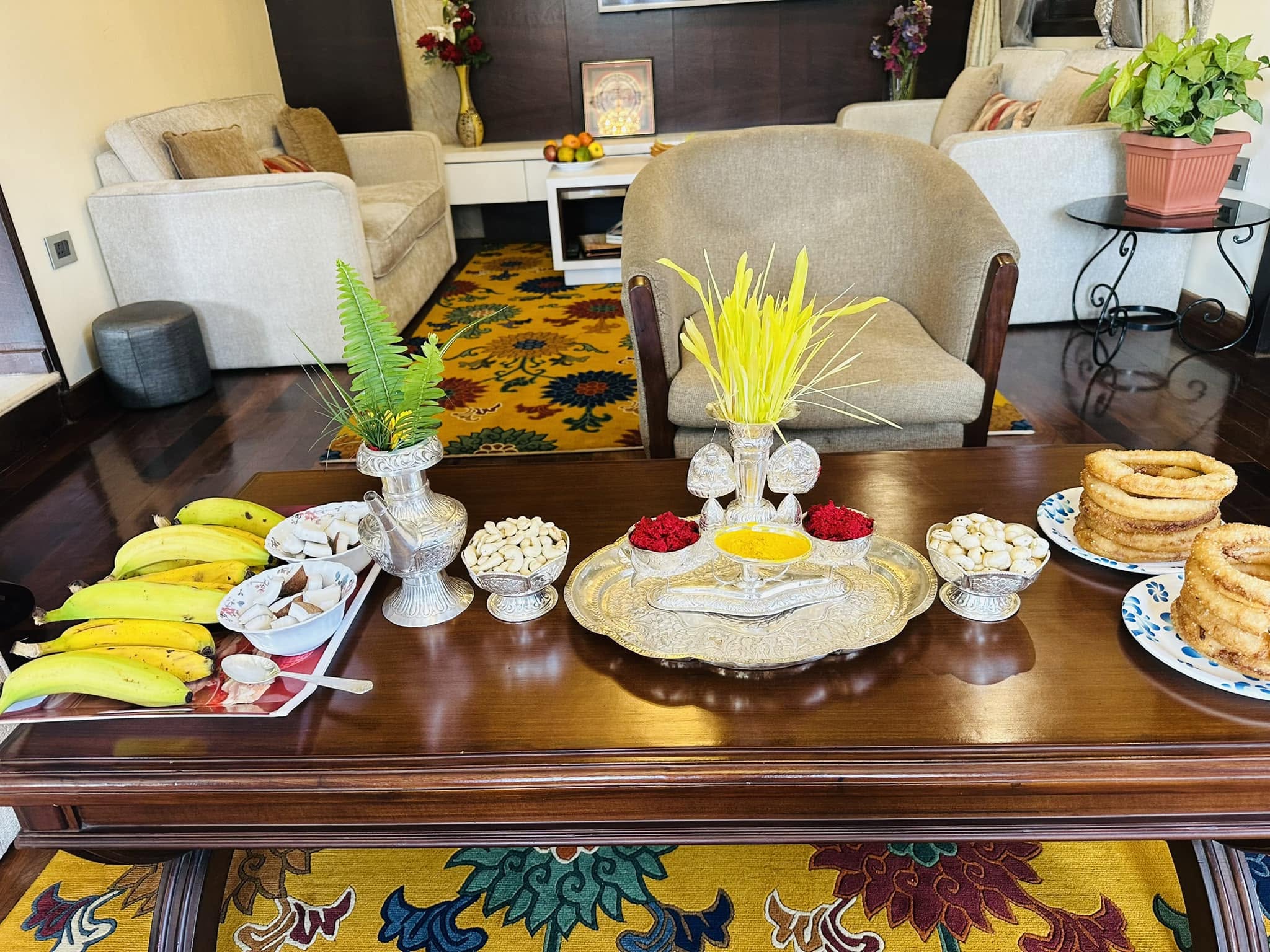
Day 1 Ghatasthapana:Ghatasthapana marks the beginning of Dashain.On this day, families prepare a sacred area inside the home and establish a Kalash, a ritual vessel associated with divine presence and prosperity. Seeds, traditionally including barley, are planted in a carefully prepared place to grow Jamara.The seeds are kept away from direct sunlight and watered according to traditional practices. Over the following days, they grow into the yellow-green shoots that are later used during the Tika ceremony.For many families, Ghatasthapana is a quiet and spiritual beginning to the festival.
Days 2 to 6 Navaratri Worship:The days following Ghatasthapana are dedicated to continued worship and devotion.Families may perform daily puja, visit temples, observe fasting traditions, or make offerings to Goddess Durga. The exact customs differ between communities and households, reflecting Nepal’s remarkable cultural diversity.These days prepare families spiritually for the major celebrations that follow.
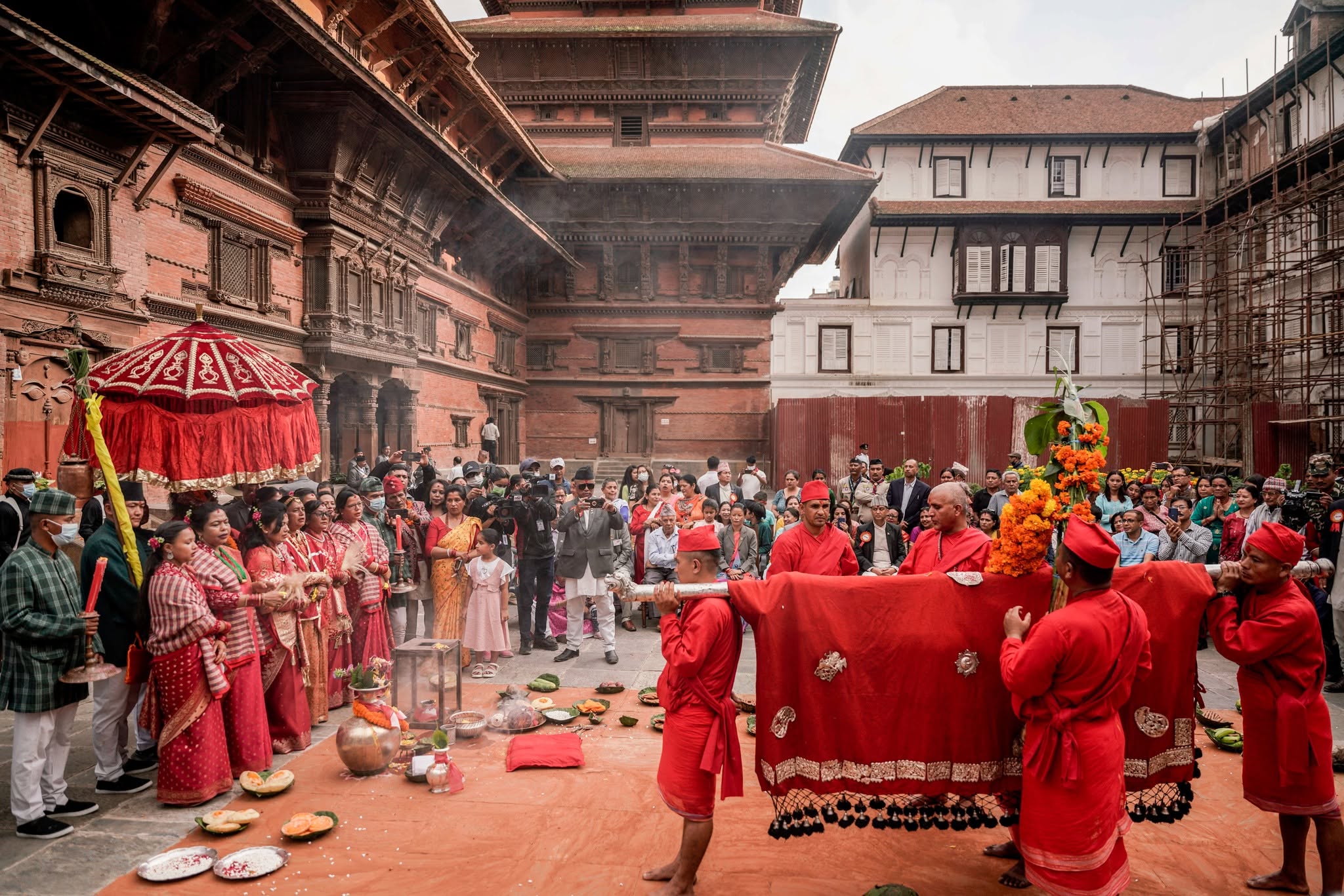
Day 7 Phulpati:Phulpati is one of the most distinctive events of Dashain.A collection of sacred plants, flowers, leaves, and other auspicious items is ceremonially brought into the home. The tradition represents prosperity, strength, good fortune, and purity.In Kathmandu, the Phulpati ceremony at Hanuman Dhoka has particular historical significance. Traditional ceremonies and formal processions connect the festival with Nepal’s former royal traditions and the historic heart of the Kathmandu Valley.Visitors in Kathmandu during this period may have the opportunity to observe the cultural atmosphere surrounding Phulpati.
Day 8 Maha Ashtami:Maha Ashtami is one of the major religious days of Dashain.Devotees worship Goddess Durga and visit temples dedicated to different forms of divine power. Special pujas and offerings are performed.Animal sacrifice is also part of traditional Dashain practice in some communities and temples, although customs vary considerably and many devotees choose other forms of offering.The day is both religious and social, with families gathering for prayers and festive meals.
Day 9 Maha Navami:Maha Navami has a special connection with the things people use for their work and livelihood.Tools, machinery, agricultural equipment, vehicles, and other useful possessions may be worshipped on this day. The tradition reflects gratitude for the resources that support everyday life.For a farmer, it may mean honoring agricultural tools. For a mechanic, machinery may become part of the puja. For a modern family, it may include a vehicle or other important equipment.The underlying message is one of appreciation, safety, productivity, and prosperity.
Day 10 Vijaya Dashami:The tenth day, Vijaya Dashami, is the most celebrated day of Dashain.Families gather at the homes of parents, grandparents, and other senior relatives. Elders place Tika on the foreheads of younger family members, put Jamara on their heads, and give blessings for a healthy, successful, and prosperous year.This is also when Dakshina, traditionally a monetary gift from elders, is often given.For Nepali families living away from their hometowns, Vijaya Dashami is one of the strongest reasons to travel home.
Dashain and Family Life in Nepal
Perhaps no other Nepali festival creates such a strong movement of people toward their hometowns as Dashain.People living in Kathmandu, Pokhara, Biratnagar, Chitwan, Nepalgunj, or other cities may travel to their ancestral villages. Nepalis working overseas often arrange their holidays so they can return home.The result is a remarkable nationwide reunion.Grandparents prepare for the arrival of their children and grandchildren. Relatives cook together. Homes are cleaned and decorated. New clothes are purchased. Children look forward to receiving blessings and Dakshina.For many Nepalis, these memories become some of the most treasured moments of the year.
Kite Flying During Dashain:The autumn sky over Nepal can become filled with colorful kites during the festival season.Kite flying is particularly popular among children and young people, although adults often enjoy it just as much. It is associated with fun, freedom, competition, and childhood memories.From rooftops and open spaces, families enjoy the pleasant autumn weather while watching colorful kites move across the sky.
Dashain in Kathmandu Valley:Kathmandu Valley is an excellent place to experience the cultural side of Dashain.Historic squares, temples, traditional neighborhoods, and ancient courtyards provide a fascinating backdrop to the festival.During the festival, travelers should remember that Dashain is primarily a family holiday. Some shops, restaurants, offices, and local services may operate with limited hours, particularly during the main festival days.
Dashain and Nepali Culture
Dashain plays an important role in preserving Nepal's cultural identity.Many traditions that might otherwise disappear in a rapidly changing society remain alive because families continue to practice them every year.Children learn how Jamara is planted. Young people learn how to receive Tika respectfully. Grandparents share stories with grandchildren. Traditional foods are prepared at home, and communities continue to observe local rituals.In this way, Dashain connects Nepal's past with its present.
Can Tourists Experience Dashain in Nepal?
Yes. International travelers can visit Nepal during Dashain and enjoy a fascinating cultural experience.However, visitors should approach the festival respectfully. Some ceremonies are private family occasions or deeply religious events rather than performances for tourists.A knowledgeable local guide can help explain what is happening, identify appropriate places to visit, and introduce travelers to the cultural meaning behind the traditions.Dashain can be especially rewarding when combined with a cultural tour around Kathmandu Valley or a Himalayan trekking adventure.
Trekking During Dashain :Dashain takes place during Nepal's popular autumn trekking season, when many Himalayan routes are attractive for adventure travelers.The combination of a cultural festival and mountain trekking allows visitors to experience two very different sides of Nepal during one journey.Depending on the route, weather, trail conditions, permits, and current local circumstances, popular trekking choices include:
Everest Base Camp:The Everest Base Camp trek combines spectacular Himalayan scenery with the culture of the Sherpa communities.Trekkers pass through traditional mountain villages, Namche Bazaar, Tengboche, Dingboche, Lobuche, and finally reach Everest Base Camp.
Annapurna Circuit:The Annapurna Circuit is ideal for travelers seeking variety. The route passes through changing landscapes, traditional villages, deep valleys, and high Himalayan terrain.It offers a wonderful combination of scenery and cultural encounters.
Annapurna Base Camp:The Annapurna Base Camp trek leads into an impressive natural amphitheater surrounded by Himalayan peaks.It is a popular choice for travelers who want a shorter Himalayan adventure with spectacular mountain scenery.
Langtang Valley:Located relatively close to Kathmandu, Langtang Valley offers mountain landscapes, forests, traditional settlements, and opportunities to learn about local Tamang culture.
Manaslu Circuit:The Manaslu Circuit is a more remote Himalayan journey, known for dramatic mountain scenery, traditional villages, and a quieter trekking environment.
Ghorepani Poon Hill:For travelers looking for a shorter and more accessible Himalayan experience, Ghorepani Poon Hill is an excellent option.The early-morning viewpoint provides spectacular sunrise views over the Annapurna and Dhaulagiri ranges.
Why Combine Dashain with a Nepal Trek?:A Dashain holiday does not have to be limited to city sightseeing.Travelers can combine several experiences in one itinerary,for example, spending time in Kathmandu during the festival, exploring the historic cities of the Kathmandu Valley, and then heading toward the mountains.
Experience the Spirit of Dashain in Nepal:It is the excitement of returning home, the smile of a grandparent welcoming family members, the sound of relatives talking late into the evening, the taste of a traditional meal, the bright red Tika on a forehead, and the golden Jamara placed as a blessing.For visitors, Dashain offers an opportunity to see Nepal beyond its famous mountains.You can explore ancient temples, witness traditional ceremonies, taste festive food, learn about Hindu culture, observe local customs, and perhaps combine your cultural experience with an unforgettable Himalayan trek.Whether you are planning a cultural holiday, a family trip, or a Himalayan trekking adventure, experiencing Nepal during Dashain can add a unique and meaningful dimension to your journey.Plan your Nepal holiday with Odea Services and discover the culture, heritage, mountains, and hospitality of Nepal with a local team that understands the country from the inside.