Nepal Festivals & Culture: Experience the Heart and Soul of Nepal
Nepal is a country where culture is not confined to museums or historic monuments,it is part of everyday life. From colorful street celebrations in Kathmandu to ancient rituals in mountain villages, Nepal’s festivals bring together families, communities, music, food, spirituality, and centuries-old traditions.With its remarkable mix of Hindu and Buddhist traditions, along with the customs of many ethnic communities, Nepal offers travelers an opportunity to experience a culture that is both deeply spiritual and wonderfully welcoming.
Nepal is a country where culture is not confined to museums, temples, or historic monuments,it is woven into everyday life. From colorful street celebrations in Kathmandu to centuries-old rituals in mountain villages, Nepal’s festivals and cultural traditions bring together families, communities, spirituality, music, dance, food, and heritage.With Hinduism and Buddhism deeply rooted in daily life, alongside the distinctive customs of Nepal’s many ethnic communities, the country offers travelers much more than spectacular Himalayan scenery. A cultural journey through Nepal provides an opportunity to experience living traditions that have been passed from one generation to the next.Whether you witness the glowing lamps of Tihar, join the colors of Holi, watch an ancient chariot procession during Indra Jatra, visit a Buddhist monastery, or share a traditional meal with a local family, Nepal offers cultural experiences that can become some of the most memorable moments of your journey.For travelers who would like to combine culture with Nepal’s spectacular mountain scenery, ODEA Services also offers an Everest Mountain Flight in Nepal
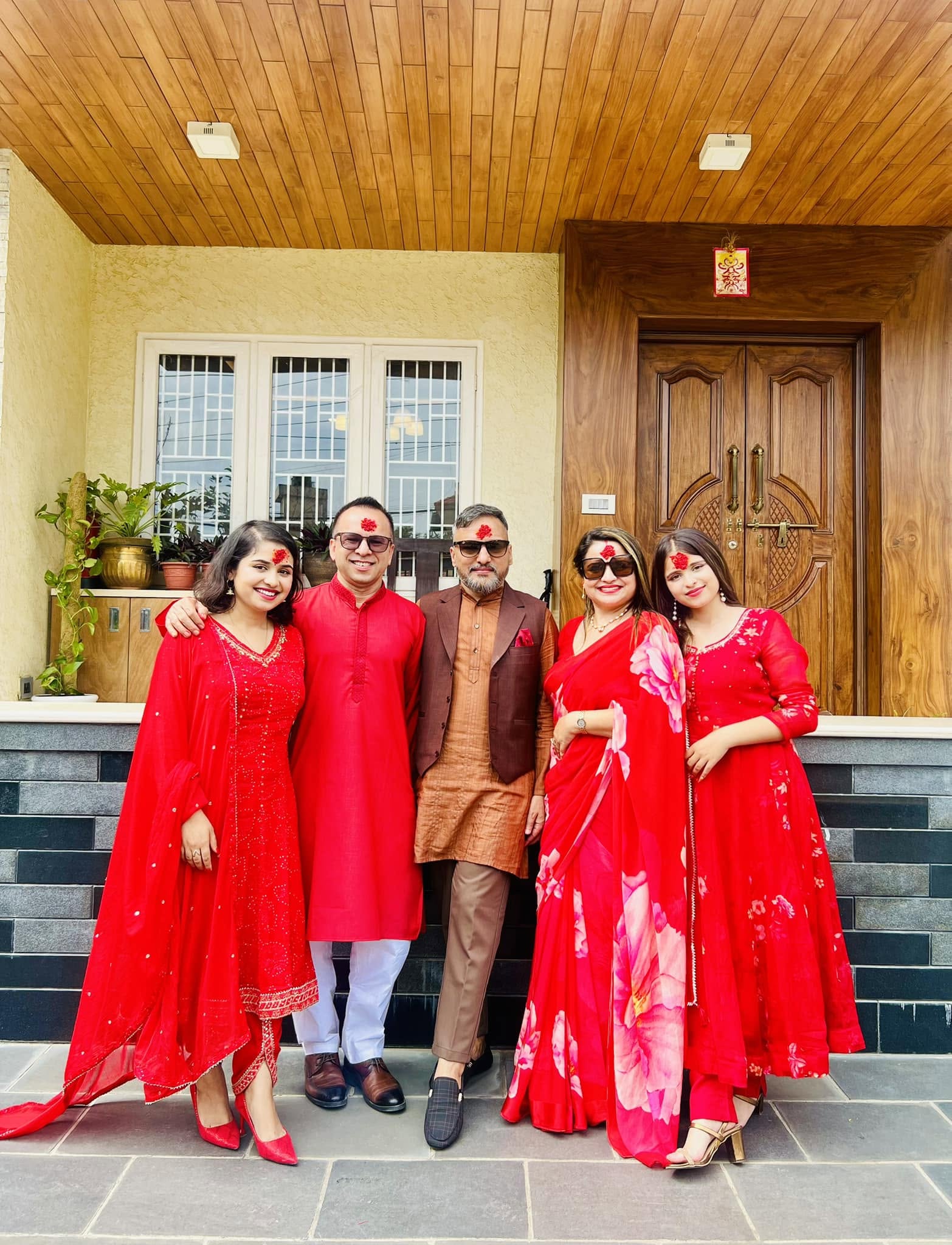
Nepal’s festivals are among the most fascinating ways to understand the country and its people. Almost every season brings celebrations, religious ceremonies, pilgrimages, family gatherings, or community events. Different ethnic groups and regions have their own traditional music, dances, costumes, foods, rituals, and stories.
Major festivals in Nepal include Dashain, Tihar, Holi, Teej, Indra Jatra, Buddha Jayanti, Losar, Maha Shivaratri, Janai Purnima and Gai Jatra. Some festivals honor Hindu or Buddhist deities, while others celebrate family relationships, seasonal changes, harvests, new beginnings, or important moments in local history.
The Kathmandu Valley is particularly rich in cultural traditions. Kathmandu, Patan and Bhaktapur come alive during festival periods with decorated temples, traditional music, masked dances, chariot processions and religious ceremonies.Outside the major cities, village festivals provide a different experience. These celebrations often remain closely connected with local agricultural cycles, ancestral traditions and community life.Traveling during a festival allows visitors to see a side of Nepal that goes far beyond mountains and monuments,it provides an opportunity to experience the country's living cultural heritage.Travelers looking for a relaxed introduction to Nepal's culture and landscapes can also explore ODEA Services' Kathmandu and Pokhara Relaxing Tours.
Dashain is Nepal's largest and most widely celebrated Hindu festival. Usually occurring in September or October, it is an important time for family reunions, blessings from elders, religious rituals and festive meals.Many Nepalese travel back to their hometowns and villages to celebrate with their families. Elders traditionally give younger relatives tika and jamara together with their blessings.For international visitors, Dashain provides an interesting insight into the importance of family, religion and community in Nepalese society.
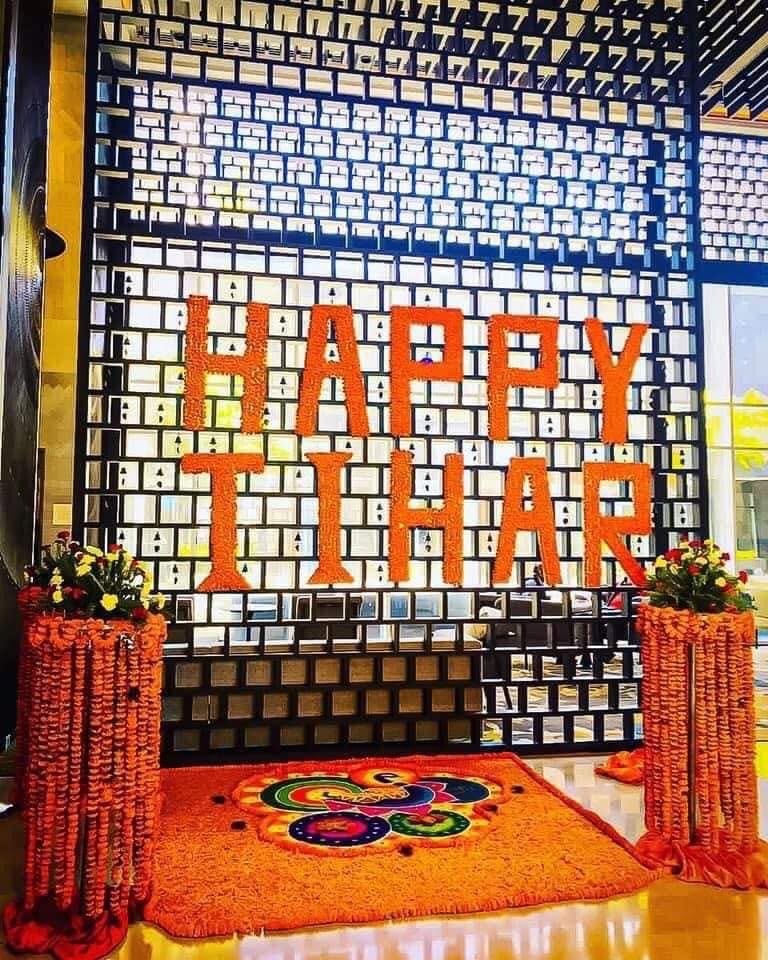
Tihar, generally celebrated shortly after Dashain, is one of Nepal's most beautiful festivals. Often described as the Festival of Lights, it transforms homes, temples and neighborhoods with oil lamps, candles, flowers and colorful rangoli designs.Different days of Tihar traditionally honor crows, dogs and cows, while Laxmi Puja is dedicated to the Hindu goddess of wealth and prosperity.One of the most meaningful parts of the festival is Bhai Tika, which celebrates the relationship between brothers and sisters.For visitors, evenings during Tihar can be particularly atmospheric, with illuminated homes, traditional songs and festive decorations.
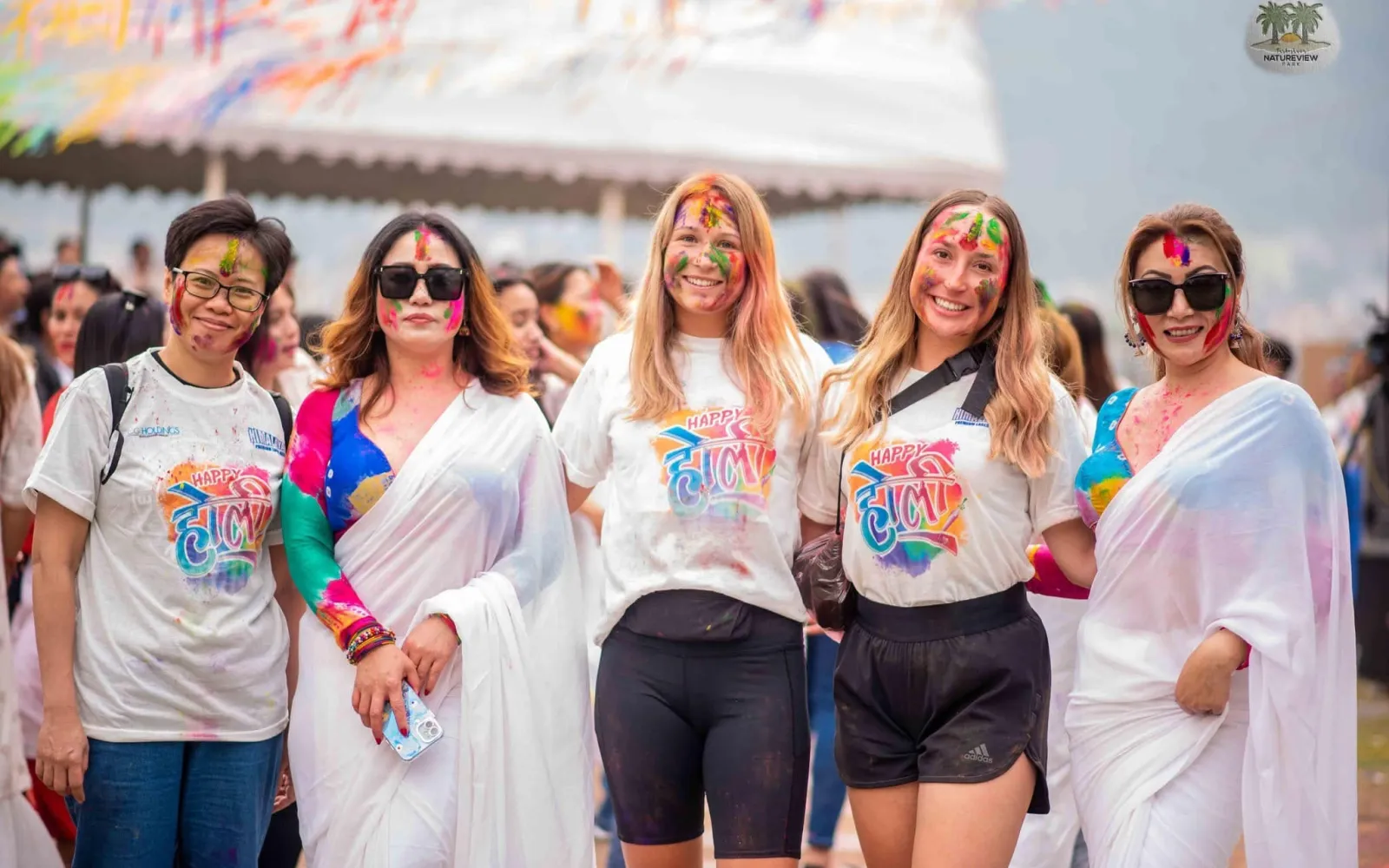
Holi welcomes spring with color, music, laughter and celebration. People gather in streets and public squares, throwing colored powder and water while celebrating with friends and family.Kathmandu Durbar Square and other areas of the Kathmandu Valley can become particularly lively during Holi.Travelers who participate should respect local customs, protect cameras and valuables, and remember that participation should always be consensual.
Indra Jatra is one of the Kathmandu Valley's most important traditional festivals and provides a fascinating introduction to Newar culture.Centered around Kathmandu Durbar Square, the celebration includes religious ceremonies, masked dances, traditional music and impressive chariot processions.One of its best-known traditions is the procession associated with the Kumari, the Living Goddess of Kathmandu.For travelers interested in the history and living traditions of Kathmandu, Indra Jatra can be an extraordinary time to visit the capital.
Maha Shivaratri is dedicated to Lord Shiva and is particularly significant at Pashupatinath Temple in Kathmandu.Large numbers of Hindu pilgrims and holy men travel to Pashupatinath for prayers and religious rituals. The temple complex and surrounding areas become an important center of spiritual activity.Even outside festival periods, Pashupatinath remains one of Nepal's most significant Hindu pilgrimage sites.
Buddha Jayanti commemorates the birth of Siddhartha Gautama Buddha, who was born in Lumbini, Nepal.Important Buddhist sites including Lumbini, Boudhanath and Swayambhunath become centers of prayer, ceremonies, butter lamps and devotional activities.For travelers interested in Buddhist heritage, Buddha Jayanti can be a particularly meaningful time to experience Nepal.
Teej is an important Hindu festival celebrated especially by women. Participants often dress in beautiful red saris and gather for prayers, singing and dancing.Pashupatinath is one of the main centers of Teej celebrations in Kathmandu, where large numbers of devotees gather during the festival.
Different Himalayan communities in Nepal celebrate forms of Losar, or New Year, according to their own calendars and traditions.Celebrations can include monastery ceremonies, family gatherings, traditional food, music and dancing. Losar traditions are particularly associated with communities such as the Sherpa, Tamang and Gurung, although the timing and customs vary between communities.
The Kathmandu Valley is one of the best places to explore Nepalese history, architecture and religious traditions.Kathmandu, Patan and Bhaktapur contain historic palace squares, temples, monasteries, stupas, courtyards and traditional neighborhoods. Important cultural sites include:
| Cultural Site | Main Experience |
|---|---|
| Kathmandu Durbar Square | Historic palaces, temples and Newar heritage |
| Patan Durbar Square | Traditional Newar architecture and craftsmanship |
| Bhaktapur Durbar Square | Medieval squares, temples and traditional neighborhoods |
| Swayambhunath | Ancient Buddhist stupa overlooking Kathmandu |
| Boudhanath | One of Nepal's most important Buddhist pilgrimage centers |
| Pashupatinath | Sacred Hindu temple complex on the Bagmati River |
Exploring these sites with a knowledgeable local guide can help visitors understand the symbolism, history and religious traditions behind what they see.
Music and dance play an important role in Nepalese celebrations. During major festivals, streets and temple courtyards can fill with traditional drums, cymbals, horns and other instruments.The Kathmandu Valley is particularly famous for Newar music, masked dances and chariot processions, while different ethnic communities across Nepal maintain their own musical and dance traditions.These performances are not simply tourist entertainment. Many remain an important part of religious ceremonies, community celebrations and cultural identity.
One of the most fascinating aspects of Nepalese culture is the close presence of Hindu and Buddhist traditions.Hindu temples, Buddhist stupas, monasteries and sacred sites can sometimes be found within the same communities. Visitors may encounter monks turning prayer wheels, Hindu devotees making offerings, pilgrims lighting butter lamps, prayer flags moving in the mountain wind and incense burning at ancient shrines.Places such as Pashupatinath, Boudhanath, Swayambhunath and Lumbini provide particularly meaningful opportunities to experience Nepal's spiritual heritage.
Food is an important part of Nepalese culture and hospitality. Sharing a meal is also one of the easiest ways for travelers to connect with local life.
Popular foods to try include:
Dal Bhat – rice, lentil soup, vegetables, pickles and accompanying dishes
Momo – popular Nepali dumplings with different fillings
Newari cuisine – traditional dishes of the Newar community
Sel Roti – traditional ring-shaped rice bread
Yomari – a traditional Newar delicacy
Thukpa – Himalayan noodle soup
Chatamari – a traditional Newar rice-flour dish
Festival periods often bring their own special foods, sweets and family recipes, making cuisine an important part of the cultural experience.
Nepal's cultural identity is shaped by many ethnic and linguistic communities, each contributing its own customs, festivals, clothing, architecture, food and traditions.The Newar communities of Kathmandu Valley, Sherpa communities of the Everest region, Gurung and Magar communities of the hills, Tamang communities around the central Himalayas, Tharu communities of the Terai, and Rai and Limbu communities of eastern Nepal are just some examples of the country's cultural diversity.Travelers can experience this diversity through village walks, locally managed accommodation, cultural programs, traditional meals and respectful interaction with communities.
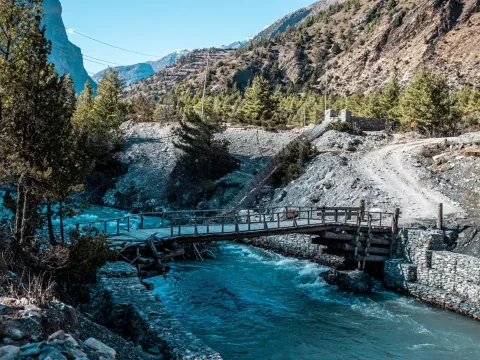
While Kathmandu Valley contains many of Nepal's best-known cultural attractions, Nepalese culture extends throughout the country.Lumbini is internationally important as the birthplace of Buddha. Pokhara combines mountain scenery with the traditions of nearby Gurung and other communities. Janakpur is an important center of Mithila culture and Hindu pilgrimage, while the Terai offers opportunities to experience Tharu traditions.In Himalayan trekking regions, Buddhist monasteries, mani walls, prayer flags, chortens and traditional mountain villages add an important cultural dimension to a trekking journey.
There is no single best month for experiencing Nepalese culture because festivals occur throughout the year. Many festival dates are determined according to lunar calendars and therefore change annually.
| Period | Cultural Experience |
|---|---|
| September–November | Dashain, Tihar, Indra Jatra and excellent general sightseeing conditions |
| February–April | Maha Shivaratri, Holi and various regional celebrations |
| April–May | Buddha Jayanti and spring cultural activities |
| August–September | Teej and several important Kathmandu Valley festivals |
| Throughout the Year | Temples, monasteries, heritage sites, markets, villages and everyday cultural experiences |
Travelers planning specifically around a festival should always confirm the exact dates for their travel year before booking, as dates can change according to Nepal's traditional calendars.
Respecting local traditions makes cultural travel more rewarding. Visitors should dress appropriately when entering religious sites, remove shoes where requested, ask permission before photographing people or religious ceremonies, and avoid interrupting prayers or rituals.Some temples have restrictions on entry for non-Hindus, while photography may be prohibited in particular areas of temples and monasteries. A local guide can help explain the appropriate customs at each site.
A festival does not need to be the only focus of your journey. Cultural celebrations can often be incorporated into a broader Nepal itinerary that includes Kathmandu, Pokhara, Chitwan, Lumbini or the Himalayan regions.A well-planned cultural itinerary can combine UNESCO World Heritage Sites, traditional villages, local cuisine, festivals, Buddhist monasteries, Hindu temples and Himalayan scenery.Travelers interested in exploring Nepal's historic landmarks in greater depth can consider the ODEA Services Nepal Heritage Tour.
At ODEA Services, we believe that discovering Nepal is about much more than visiting famous places. A meaningful journey should also provide opportunities to understand the people, traditions and stories that give each destination its character.Our Nepal cultural journeys can combine historic cities, UNESCO World Heritage Sites, traditional communities, religious landmarks and local experiences. When travel dates coincide with a festival, the itinerary can be planned carefully so visitors can experience the celebration while respecting local traditions and avoiding unnecessary rushing.
Nepal is much more than a destination for Himalayan trekking. Its character can be discovered in the sound of temple bells, the aroma of incense, colorful prayer flags, traditional food, ancient architecture, family celebrations and the hospitality found in cities and villages across the country.From joining the colors of Holi and seeing the lights of Tihar to witnessing an ancient chariot procession, visiting a Buddhist monastery or sharing a traditional meal, cultural experiences add another dimension to a journey through Nepal.Come to Nepal not only to see the Himalayas, but also to experience the festivals, people, traditions and living heritage that make the country truly unforgettable.