Buddha Jayanti, also known as Buddha Purnima, is one of the most important religious festivals celebrated by the Buddhist community around the world. The festival marks the birth, enlightenment, and death of Gautam Buddha, the founder of Buddhism. In Nepal, Buddha Jayanti is celebrated with great enthusiasm and devotion. The festival falls on the full moon day of the Nepali month of Baisakh, which usually falls in April or May.
Buddha Jayanti is a national holiday in Nepal, and it is celebrated with much fanfare in the Kathmandu Valley, especially in the ancient city of Lumbini, the birthplace of Lord Buddha. The celebrations usually start early in the morning, with devotees visiting Buddhist temples and monasteries to offer prayers, chant mantras, and light incense. The temples and monasteries are decorated with colorful prayer flags and flowers, and the sound of Buddhist hymns and prayers can be heard throughout the day.
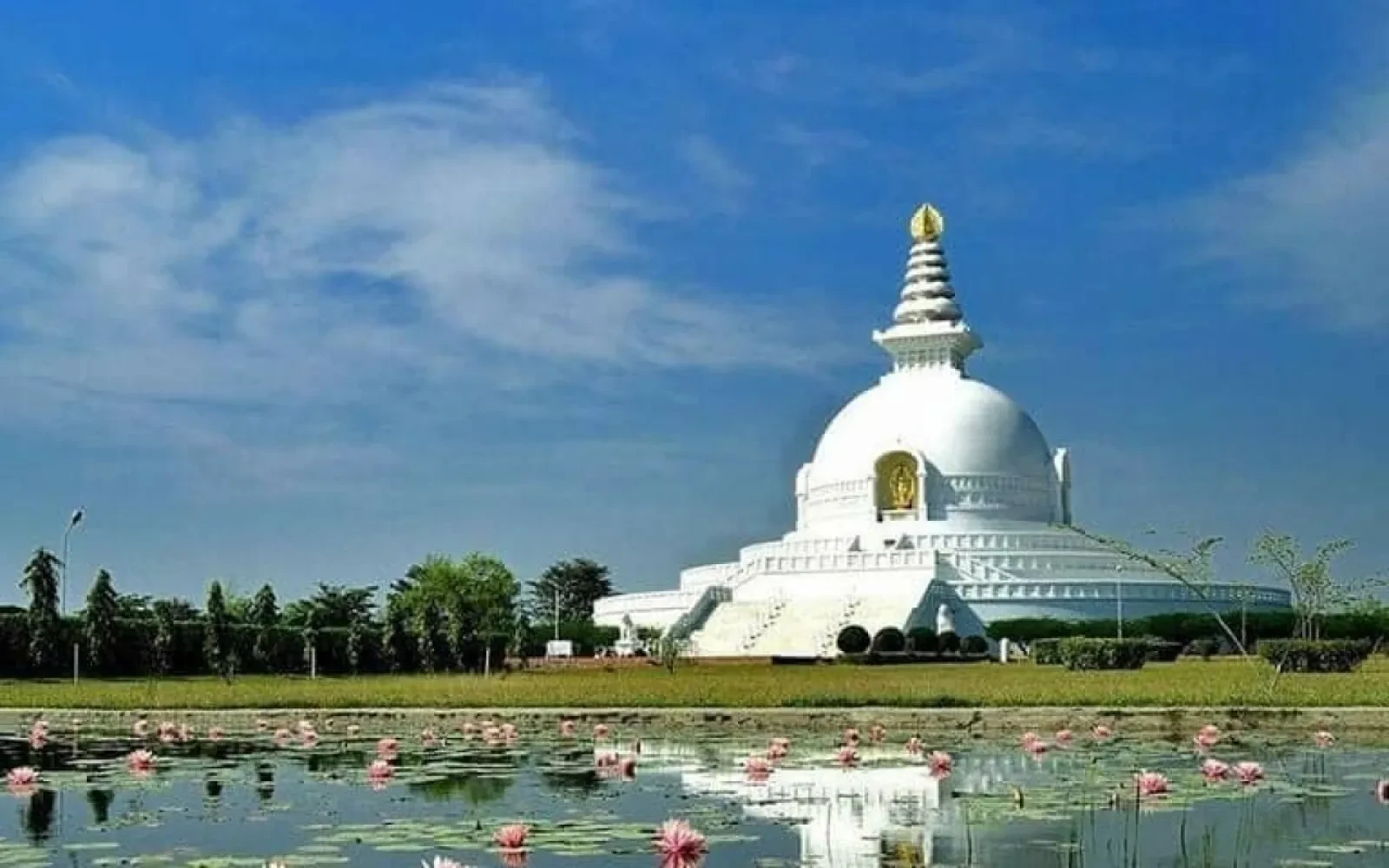
The main celebration of Buddha Jayanti takes place at Lumbini, the birthplace of Lord Buddha, located in the southern plains of the country. Lumbini is a UNESCO World Heritage Site and a place of pilgrimage for millions of Buddhists around the world. The main celebration in Lumbini takes place at the Maya Devi Temple, which is believed to be the exact spot where Lord Buddha was born. Devotees gather at the temple to offer prayers and participate in various religious ceremonies.
Buddha Jayanti is an important celebration in Nepal, particularly at the Swayambhunath Stupa. This ancient stupa, believed to be over 2,000 years old, is one of the most sacred Buddhist sites in the country. Devotees from far and wide gather at the stupa to pay their respects to Lord Buddha by offering prayers, lighting butter lamps, and walking around the stupa in a clockwise direction, which is considered to be auspicious in Buddhism. The festival is a vibrant display of religious fervor and cultural richness, as the stupa is decorated with colorful flags and flowers. The procession of monks and devotees carrying the sacred statue of Lord Buddha around the stupa is the highlight of the festival.
Similarly, the Boudhanath Stupa in the Boudha neighborhood of Kathmandu is also an important destination for celebrating Buddha Jayanti. The stupa is a grand celebration of the birth, enlightenment, and death of Lord Buddha. Devotees flock to the stupa to offer their prayers, light butter lamps, and spin prayer wheels. The stupa is adorned with colorful prayer flags and flowers, and the air is filled with the sound of Buddhist chants and hymns. The celebration at Boudha is a beautiful showcase of Nepal's rich cultural heritage and a reflection of the profound influence of Buddhism in the country. The festival brings a sense of spiritual renewal and community as people gather to celebrate the teachings of Lord Buddha.
The celebrations of Buddha Jayanti in Nepal are not limited to Kathmandu and Lumbini; they are also held in other parts of the country. In cities like Pokhara, Bhaktapur, and Patan, Buddhist monasteries and temples organize special prayers and rituals to mark the occasion. The festival provides an opportunity for Nepalis to come together and celebrate their rich cultural and religious heritage.
Apart from the religious celebrations, Buddha Jayanti is also an occasion for social and cultural events in Nepal. Various cultural programs, exhibitions, and fairs are organized across the country to showcase the art, music, and literature of Nepal. The festival is an opportunity for people to learn more about Buddhism and its teachings and to appreciate the cultural diversity of Nepal.
Buddha Jayanti is a significant festival in Nepal that celebrates the life and teachings of Lord Buddha. The festival provides an opportunity for Nepalis to come together and celebrate their cultural and religious heritage. The celebrations are marked by devotion, spirituality, and a sense of community, and they offer a glimpse into the rich cultural diversity of Nepal. As Nepal continues to recover from the devastating effects of the COVID-19 pandemic, the celebration of Buddha Jayanti provides hope and inspiration for a better tomorrow.
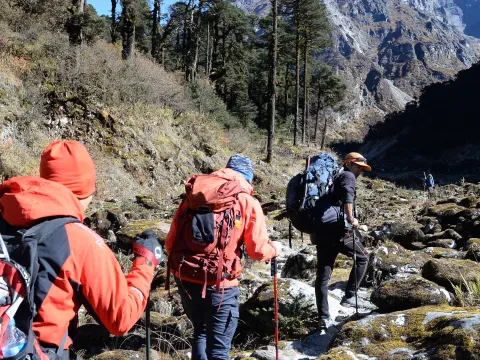
From the high Himalayas to the lush green foothills, from arid plateaus to shimmering glaciers, Nepal offers an incomparable array of hiking trails. If there's a better – and easier – place to trek anywhere in the world, we've yet to find it.Many of Nepal's most celebrated treks pass through national parks or protected areas, but permits and national park fees are mostly inexpensive. Teahouses and trekking lodges are commonplace along most of the popular trails, but some routes involve camping, and many treks that pass close to internal borders can only be attempted as an organized trek arranged through an approved trekking agency.Whether you fancy a short, relaxed hike on a fleeting visit to the mountains, or a challenging multi-week expedition over high passes, Nepal has treks for all levels of fitness and experience. Here are 10 of the best hikes in Nepal.Everest Base CampBest for Everest views130km (80.7 miles); 14–20 days; hardThe most famous trek in Nepal – if not the world – is the two-week trip to Everest Base Camp, which draws thousands of trekkers every year. Starting and finishing at the precariously balanced airstrip in Lukla, this high-altitude epic provides some fascinating insights into the Sherpa culture of the Solu Khumbu region, and the chance to gaze on the tallest mountain on Earth – known as Sagarmatha in Nepal, and Chomolungma in neighboring Tibet.High-quality lodges line the entire route, but the trails can get very busy, particularly during the October–November high season, though few who complete the two- to three-week route are disappointed by the experience. If you want a calmer trek, consider some of the less crowded routes that snake through the foothills around Everest, including the stunning trek to Gokyo and the Three Passes Trek.Get more travel inspiration, tips and exclusive offers sent straight to your inbox with our weekly newsletter.Annapurna CircuitBest for diverse scenery160–230km (99.4–142.9 miles); 10–17 days; hardThe most popular trek in Nepal, the Annapurna Circuit is stunningly varied. As you walk, you'll encounter plunging valleys, deep gorges, rivers, lakes, glaciers and snow-topped peaks, as well as Gurung, Manangi and Thakali villages. Accessed from Pokhara, the route is dotted with comfortable lodges and important Buddhist and Hindu pilgrimage sites. Its high point – literally and figuratively – is the 5,416m (17,768ft) Thorung La, a mountain pass that transports you from the green foothills to the arid Trans-Himalayan plateau. Best walked counter-clockwise, this trail has numerous options for extensions and side trips, such as the highly rewarding week-long trek to the villages of Nar and Phu. Note that the Annapurna Circuit gets very busy in the peak season. Because of road building, some sections are more developed than you might expect, and the route gets shorter every year as the road reaches new villages.Manaslu CircuitBest alternative to the Annapurna CircuitAround 180km (111.8 miles); 16 days; hardTravelers seeking a quieter trail than the renowned Annapurna Circuit but a similar range of dramatic scenery should try the Manaslu Circuit, which lies to the east of the Annapurna massif. An excellent all-rounder, this teahouse trek is centered around the eponymous Manaslu, the world’s eighth-tallest peak at 8,163m (26,781ft).The Manaslu Circuit trek covers everything from steamy jungles to breathless mountain passes, natural hot springs and tranquil villages. En route, you'll cross gorges on precipitous suspension bridges and hike through emerald-green foothills lined with rice paddies.Annapurna SanctuaryBest for mountain sceneryAround 115km (71.4 miles); 10–14 days; moderate-hardFew sights in the Himalayas compare with the magnificent Annapurna Sanctuary, an elevated, amphitheater-like plateau north of Pokhara, encircled by a crown of looming glaciers and sky-piercing mountains. This lofty basin is the centerpiece of an enjoyable teahouse trek, which showcases some of the finest mountain vistas in Nepal. Along the trail, you'll pass Gurung villages, terraced rice fields, natural hot springs and densely forested hills. Just bear in mind that the Annapurna Sanctuary is a popular route, so don’t expect to have the trails to yourself.Ghandruk LoopBest short trek25km (15.5 miles); 3 days; easyIf you’re a novice hiker or simply pressed for time, head to Pokhara, the starting point for several short but rewarding treks in the foothills of the Annapurnas. One of the standout routes is the Ghandruk Loop, which takes you through rice paddies, forests of rhododendron trees – which bloom spectacularly in the spring – and Gurung villages, where accommodation ranges from simple teahouses to well-equipped lodges.The first day mirrors the opening section of the Annapurna Sanctuary Trek, and there are superb mountain views all along this relatively steep route, which can be comfortably hiked in the winter, as well as in fall and spring, thanks to its low altitude.Suspension bridge above a river canyon on the Gosainkunda routeThe trek from the Langtang Valley to Gosainkunda is one of Nepal's loveliest trails © Subbotsky / Getty ImagesLangtang ValleyBest one-week trekAround 65–80km (40.3–49.7miles); 7–8 days; moderateThe popular trekking route through the gorgeous Langtang Valley, which resembles a super-charged version of the Alps and lies close to the Tibetan border, packs in a lot of trekking wonders over the course of a week. It's also conveniently close to Kathmandu and accessible by public bus, reducing your carbon footprint.From the trailhead at Syabrubesi, this teahouse trek takes you from pastureland, bamboo groves and waterfalls to soaring mountains and creaking glaciers. If you have a few extra days to spare, it's well worth extending the trek to the sacred lakes at Gosainkunda, ringed by ice-capped mountains at an altitude of 4,400m (14,436ft).Tamang Heritage TrailBest cultural trekAround 55km (34.1 miles); 6 days; moderateNepal’s trekking routes are renowned for immersing travelers in jaw-dropping Himalayan scenery, but the Tamang Heritage Trail is focused on rich cultural insights – though the views are pretty spectacular too. The trek starts at Syabrubesi and loops through the hills to the north, linking a series of traditional Tamang villages.Many of these villages have homestay accommodation, offering a chance to learn more about Tamang Buddhist culture, which has its origins across the border in Tibet, and the lives of the people who thrive in this far-flung region. There are also beautiful Buddhist temples, monuments and sacred sites to visit along the way.Kanchenjunga Base CampBest for escaping the crowdsAround 220km (136.7 miles); 14–28 days; hardIf you are looking to escape the crowds that throng the Everest Base Camp and Annapurna trails during the high season, the little-visited foothills of 8,586m (28,169ft) Kanchenjunga in the far east of Nepal fit the bill perfectly. This wild, remote corner of the country sees just a handful of trekkers every season, and it can only be visited on an organized trek. Two tough but spectacular trails lead to the northern and southern base camps used by mountaineers climbing the world’s third-tallest peak. Along the way, you’ll camp or stay in rustic teahouses in isolated villages and climb through empty valleys, pastures and mountain forests. There are plenty of high passes to cross before you bask in front of majestic views of Kanchenjunga, and you'll rarely have to share the experience with a crowd.Village with terraced fields above Nagarkot, NepalThe villages fringing the Kathmandu Valley are just as interesting as the high mountain passes © Getty Images / Moment OpenNagarkot to DhulikhelBest day hike20km (12.4 miles); one day; easyThe fringes of the Kathmandu Valley are ribboned with easily accessible trails that are ideal for half- or full-day hikes – and most are accessible by local bus or taxi from Kathmandu. One of the best trails links the ridge-top village of Nagarkot with the pretty Newari town of Dhulikhel, both famous for their glorious views of the Himalayas, especially at sunrise.Part of the longer Kathmandu Valley Cultural Trekking Trail, this route can be augmented with worthwhile side trips to Panauti, one of Nepal’s oldest towns, and the Buddhist center of Namobuddha. Best of all, no permits or national park fees are required.Great Himalayan TrailBest epic adventure2,500km (1,553.4 miles); 50–160 days; hardFor travelers with lots of time, a big budget, boundless energy and a giant sense of adventure, the Great Himalayan Trail is the ultimate challenge. Running the length of the Nepali Himalayas, this once-in-a-lifetime route was designed to encourage trekkers to get off the beaten path and spread the financial benefits of tourism to a wider range of communities.Crossing the country from Kanchenjunga all the way to the far west of Nepal, this trek is as much a logistical puzzle as a physical feat, not least because you have to arrange a number of time-limited trekking permits in advance. Rather than doing the trail in one go, a more attainable goal is to break it up into segments and complete it over several years.Text : Lonely Planet