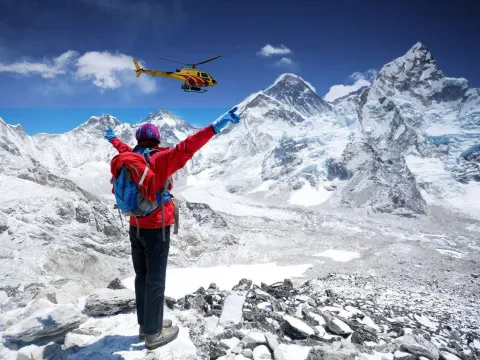
Everest Base Camp trek is one of the most famous and highly demanded trek in Nepal. The trails leads to the footsteps of Tenzing Norgay Sherpa and Edmund Hillary, the first Mount Everest summiteers. The scenic flight from Kathmandu to Lukla takes you through the most adventurous airport in the world. Everything in this trek is at an extreme level. The adventure, fun, the mesmerizing beauty of the glossy mountains, the captivating moments with snow, and the stay in the heart of the Himalayas all give the best pleasures of life. The ultimate challenge in the EBC trail is the altitude for which one needs to be prepared. Other than that, the panoramic view of the mountains, the mountain ranges from Kala patthar, the lifestyle of the bravest Sherpas, the drastic change in the culture and traditions, everything is truly exhilarating.EBC trek further offers the opportunities to go sightseeing around Sagarmatha National Park, a world heritage site which is a home to a variety of Himalayan floras and faunas, to get a closer look at the highest Buddhist monasteries in the world, and of course the most gratifying of them all, the walk to Everest Base Camp itself.Everest Base Camp Trekking Itinerary DetailsEverest Base Camp Trekking, arranged by Odea Services, is one of the most iconic and sought-after adventure journeys in the world. The trek follows a legendary route through the Khumbu region, leading trekkers to the base of the world’s highest peak, Mount Everest. Starting from the vibrant capital Kathmandu, the journey includes a thrilling flight to Lukla, widely known for its dramatic airport landing and breathtaking mountain views. From here, the trail winds through beautiful Sherpa villages, deep valleys, suspension bridges, and alpine landscapes that gradually open into the heart of the Himalayas.The trek passes through culturally rich destinations like Namche Bazaar, Tengboche Monastery, Dingboche, Lobuche, and Gorak Shep before reaching the ultimate destination, Everest Base Camp. One of the highlights is the climb to Kala Patthar, which offers the closest and most stunning panoramic view of Mount Everest. The journey is not just a physical adventure but also a cultural immersion into the lifestyle of the Sherpa people and their deep Buddhist traditions.Key highlights:Scenic flight to Lukla, one of the world’s most adventurous airportsTrek through Sagarmatha National Park ecosystemClose-up views of Everest and surrounding peaksRich Sherpa culture and monasteriesFinal destination: Everest Base Camp and Kala Patthar viewpointBest Season for Everest Base Camp TrekkingThe best seasons for Everest Base Camp Trekking organized by Odea Services are spring (March to May) and autumn (September to November). During these months, the weather is generally stable, skies are clear, and mountain visibility is at its best. Spring brings blooming rhododendrons and warmer temperatures, while autumn offers crisp air and crystal-clear views after the monsoon rains. These conditions make trekking safer, more enjoyable, and visually rewarding.Winter (December to February) is also possible but extremely cold, especially at higher elevations like Dingboche and above. Heavy snowfall may block trails, making the trek more challenging. Similarly, the monsoon season (June to August) brings rain, slippery trails, and poor visibility, especially affecting the flight to Lukla. However, each season has its unique charm, and experienced trekkers may still choose off-seasons for quieter trails.Seasonal highlights:Spring: Rhododendron forests, mild weather, busy trailsAutumn: Best visibility, stable weather, peak trekking seasonWinter: Quiet trails, extreme cold, snowy landscapesMonsoon: Green scenery, fewer trekkers, flight delays possibleChoosing the right season ensures a safer and more enjoyable experience while maximizing Himalayan views.Everest Base Camp Trekking Difficulty and TransportationThe Everest Base Camp Trekking adventure with Odea Services is considered a moderate to challenging trek due to high altitude and long walking hours. While no technical climbing is required, trekkers must walk 5–7 hours daily across rugged terrain and steep ascents. The major challenge is altitude sickness, especially after passing Namche Bazaar (3,441m) and moving toward higher villages like Dingboche (4,350m) and Lobuche (4,910m).The journey begins with a scenic but thrilling flight from Kathmandu to Lukla. This short flight is weather-dependent and often experiences delays. From Lukla, the trekking route includes suspension bridges, river valleys, and steep climbs leading to the Everest region. Proper acclimatization days, especially at Namche Bazaar, are essential to avoid altitude-related risks.Difficulty and transport summary:Moderate to strenuous trekking difficultyDaily walking: 5–7 hours on averageRisk: altitude sickness above 3,000mTransport: flight Kathmandu–Lukla + trekking on footSupport: experienced guides from Odea ServicesWith proper preparation and pacing, trekkers of good fitness levels can successfully complete the journey.Food and Accommodation for Everest Base Camp TrekkingDuring the Everest Base Camp Trekking journey arranged by Odea Services, accommodation and food are provided in traditional mountain teahouses. These lodges are simple but comfortable, offering basic facilities such as beds, blankets, and shared bathrooms. In lower regions like Namche Bazaar, accommodations are relatively more developed, while higher villages like Gorak Shep provide more basic shelter due to harsh conditions.Meals are typically served in teahouse dining halls, with menus including dal bhat (rice and lentils), noodles, soups, potatoes, pasta, and Tibetan bread. As altitude increases, food variety decreases due to transportation difficulty. Hot drinks like tea, coffee, and garlic soup are highly recommended to maintain energy and warmth. Clean drinking water is available but should be purified or boiled.Food & accommodation highlights:Teahouse lodging along the entire routeBasic rooms with shared facilities at higher altitudesNutritious meals designed for trekking energy needsLimited menu at higher elevationsHydration and warm food essential for altitude adaptationOdea Services ensures that trekkers receive safe, hygienic, and reliable services throughout the journey, making the challenging Himalayan environment more comfortable and manageable.Everest Base Camp Trekking PermitsFor Everest Base Camp Trekking with Odea Services, several official permits are required to enter and trek in the Everest region. These permits help maintain conservation efforts and regulate tourism in the protected Himalayan ecosystem. The main permits include the Sagarmatha National Park Entry Permit and the Khumbu Pasang Lhamu Rural Municipality Permit.The trek passes through Sagarmatha National Park, a UNESCO World Heritage Site known for its unique biodiversity and endangered Himalayan wildlife. Therefore, strict conservation rules are applied. Trekkers must carry valid identification and permits at all checkpoints, especially in areas like Namche Bazaar and surrounding villages.Required permits:Sagarmatha National Park Entry PermitKhumbu Pasang Lhamu Rural Municipality PermitTIMS card (in some regulated cases)Passport copy and passport-size photosOdea Services handles all necessary permit arrangements, ensuring a hassle-free trekking experience. This allows trekkers to focus fully on the adventure rather than administrative procedures.Why Choose Everest Base Camp Trekking with Odea ServicesChoosing Everest Base Camp Trekking with Odea Services ensures a well-organized, safe, and memorable Himalayan adventure. The trek is not only about reaching Everest Base Camp but also about experiencing the cultural richness, natural beauty, and personal achievement along the way. From expert guides to carefully planned itineraries, every detail is managed professionally.The itinerary includes proper acclimatization days, especially in places like Namche Bazaar and Dingboche, ensuring trekkers adapt safely to high altitude conditions. The journey also includes breathtaking viewpoints such as Kala Patthar, offering one of the best panoramic views of Mount Everest and surrounding peaks.Why choose Odea Services:Experienced local guides and portersWell-planned 15-day itinerarySafety-focused acclimatization schedulePermit handling and logistics supportCultural immersion and personalized serviceUltimately, this trek is a life-changing journey that combines adventure, endurance, and natural beauty, making it one of the most rewarding experiences in the world.
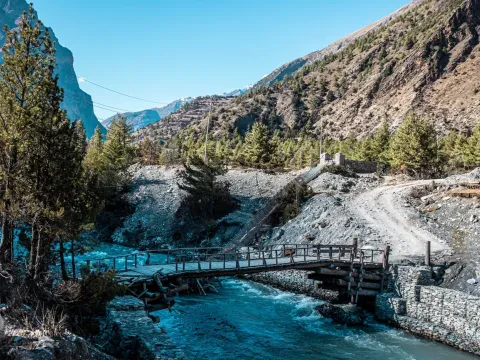
Annapurna Circuit Trek, one of the most well-known classic treks in the world. The region is also rich in terms of unique culture, tradition and lifestyle of people. Magnificent scenery, assorted cultures, forests, lakes and glaciers combine to make it one of the most charming areas for the travelers. The Annapurna Circuit Trekking route encircles the Annapurna Range, a collection of massive, snow-covered summits, many over 26,000 feet. While walking on the Annapurna circuit trekking route, you will encounter 17,000-foot passes, glaciers, the world's deepest valley, pine forests, rice paddies, tundra, remote villages, and ancient monasteries. Most trekking start up the Marsyandi River, then continue north in the wooded Manang Valley through Chamje, Pisang, and Braga (or other villages in the valley). Close up views of the Annapurna range, varied ecosystems, various cultures and an ever-changing landscape - lush, green paddy fields and oak forests and the deepest gorge in the world makes this one of the most popular treks in the world. This classic adventure trekking allowing you to reach the heart of the mountains and safely back to Lake city Pokhara.Annapurna Circuit Trek Itinerary OverviewThe Annapurna Circuit Trek is one of the world's most legendary trekking adventures, offering an unforgettable journey through the diverse landscapes of the Nepal Himalayas. Organized by Odea Services, this iconic trek takes you around the magnificent Annapurna Massif, passing through picturesque villages, dense forests, alpine meadows, deep river valleys, and the breathtaking Thorong La Pass (5,416 meters). The trek combines natural beauty, cultural richness, and mountain adventure into a single remarkable experience that attracts trekkers from around the globe. Along the route, travelers enjoy panoramic views of Annapurna I, Annapurna II, Annapurna III, Annapurna IV, Dhaulagiri, Gangapurna, Tilicho Peak, and several other snow-capped giants.Beginning from Kathmandu, the journey follows the Marsyangdi River through charming settlements such as Jagat, Dharapani, Chame, Pisang, and Manang before reaching the high Himalayan landscapes. A carefully planned acclimatization day in Manang helps trekkers adapt to the increasing altitude before crossing the famous Thorong La Pass. After the pass, the trail descends to the sacred pilgrimage site of Muktinath and continues to Jomsom before flying to Pokhara. Throughout the trek, visitors encounter ancient monasteries, prayer wheels, chortens, suspension bridges, and the warm hospitality of Gurung, Thakali, and Manangi communities. The constantly changing scenery—from lush rice terraces to barren Himalayan deserts—makes every day unique. Odea Services ensures experienced guides, reliable logistics, and personalized support, allowing trekkers to fully enjoy this classic Himalayan adventure with comfort and safety.HighlightsCross the famous Thorong La Pass (5,416 m)Explore traditional Gurung, Manangi, and Thakali villagesVisit the sacred temple of MuktinathExperience diverse landscapes and ecosystemsSpectacular views of Annapurna and Dhaulagiri rangesProfessional trekking support from Odea ServicesBest Season for Annapurna Circuit TrekThe Annapurna Circuit Trek can be completed throughout much of the year, but the most favorable seasons are spring (March to May) and autumn (September to November). These months provide stable weather, moderate temperatures, and excellent mountain visibility, creating ideal trekking conditions. During spring, the forests bloom with colorful rhododendrons, magnolias, and wildflowers, making the lower sections especially beautiful. Clear skies reveal uninterrupted views of Annapurna, Dhaulagiri, Machhapuchhre, Gangapurna, and other Himalayan peaks. Daytime temperatures remain comfortable, while nights become colder as the altitude increases.Autumn is considered the peak trekking season because of its crystal-clear mountain views and dry trails following the monsoon. The weather remains stable, making flights and transportation more reliable. Winter trekking is possible for experienced adventurers prepared for snow and freezing temperatures, especially around Thorong La Pass. During the monsoon season (June to August), heavy rainfall affects lower elevations, while higher regions remain comparatively dry due to the rain-shadow effect. Odea Services helps trekkers choose the best departure dates according to weather forecasts, trail conditions, and individual preferences to ensure a safe and enjoyable trekking experience.Best SeasonsSpring: March – MayAutumn: September – NovemberWinter: Suitable for experienced trekkersMonsoon: Less crowded but occasional rain in lower regionsExcellent mountain views during spring and autumnAnnapurna Circuit Trek Difficulty and TransportationThe Annapurna Circuit Trek is considered a moderately challenging to strenuous trek due to its length, changing terrain, and high altitude. Although no technical climbing skills are required, trekkers should have good physical fitness and be prepared to walk between 5 and 8 hours daily. The highest point, Thorong La Pass at 5,416 meters, demands proper acclimatization and careful pacing to reduce the risk of altitude sickness. The itinerary includes a valuable rest day at Manang, allowing trekkers to adjust safely before ascending further. With proper preparation, determination, and experienced guides, most healthy trekkers successfully complete this incredible journey.Transportation is an important part of the adventure. The trip begins with a scenic drive from Kathmandu to Jagat or Syange through picturesque hills, rivers, and traditional villages. After completing the trek at Jomsom, trekkers take a spectacular mountain flight to Pokhara, followed by a domestic flight, tourist bus, or private vehicle back to Kathmandu. Odea Services arranges comfortable transportation, experienced drivers, domestic flights, trekking permits, and professional guides, ensuring smooth logistics throughout the entire journey.Difficulty & TransportModerate to challenging trekDaily walking: 5–8 hoursHighest elevation: Thorong La Pass (5,416 m)Drive from Kathmandu to trek starting pointFlight from Jomsom to PokharaReturn to Kathmandu by flight, tourist bus, or private vehicleFood and Accommodation for Annapurna Circuit TrekThroughout the Annapurna Circuit Trek, trekkers stay in comfortable mountain teahouses operated by local families. These lodges provide simple but clean twin-sharing rooms with blankets, pillows, and shared bathrooms in most locations. Facilities become more basic at higher elevations, especially near Thorong Phedi. Dining halls are warm and welcoming, often heated with traditional stoves where trekkers gather to relax after each day's hike. The hospitality of local communities adds a memorable cultural experience to every overnight stay.The trekking route offers a wide variety of freshly prepared meals. Traditional Dal Bhat remains the most popular choice because it provides balanced nutrition and unlimited refills in many teahouses. Other menu options include fried rice, noodles, pasta, Tibetan bread, momos, soups, pancakes, eggs, potatoes, pizza, porridge, tea, coffee, and hot chocolate. Safe drinking water is available through purification systems or boiled water. Odea Services recommends maintaining proper hydration and consuming nutritious meals throughout the trek to support energy levels and altitude adaptation.Food & AccommodationComfortable local teahousesTwin-sharing roomsTraditional Dal Bhat and international dishesVegetarian meals widely availableHot drinks and purified drinking waterFriendly local hospitalityAnnapurna Circuit Trek PermitsEvery trekker must obtain the necessary permits before entering the Annapurna Conservation Area. These permits help protect the fragile Himalayan environment, support conservation projects, and regulate tourism in the region. The two mandatory permits are the Annapurna Conservation Area Permit (ACAP) and the Trekkers' Information Management System (TIMS) Card. Trekking without these documents is not permitted, and they are checked at multiple checkpoints throughout the journey.Obtaining permits has become simple when booking through Odea Services. The company handles all required paperwork, ensuring permits are ready before the trek begins. Trekkers only need to provide passport copies, passport-sized photographs, and valid travel insurance details. Having professional assistance saves valuable time and allows travelers to focus entirely on enjoying the adventure instead of administrative procedures.Required PermitsAnnapurna Conservation Area Permit (ACAP)TIMS CardValid passportPassport-sized photographsTravel insurance recommendedPermit arrangements by Odea ServicesWhy Choose Annapurna Circuit TrekThe Annapurna Circuit Trek remains one of Nepal's finest trekking experiences because it combines dramatic mountain scenery, authentic Himalayan culture, biodiversity, and rewarding physical adventure in one complete journey. Every day presents something different—from subtropical forests and waterfalls to alpine deserts and glacial landscapes. The trek also introduces visitors to ancient monasteries, Buddhist traditions, prayer flags, yak pastures, and centuries-old villages that preserve unique mountain lifestyles. Crossing Thorong La Pass is a major personal achievement that creates lifelong memories.Choosing Odea Services means trekking with a trusted local company committed to safety, quality service, and responsible tourism. Experienced licensed guides, friendly porters, carefully designed itineraries, reliable transportation, quality accommodation, and personalized customer care ensure every traveler enjoys a smooth and memorable adventure. Whether you are an experienced trekker or embarking on your first Himalayan expedition, Odea Services provides professional support from arrival in Kathmandu until your final departure, making your Annapurna Circuit Trek an extraordinary lifetime experience.Why Trek with Odea ServicesExperienced local guidesWell-planned itinerariesReliable transportation and logisticsComfortable teahouse arrangementsSafety-focused trekking supportAuthentic cultural experiencesExcellent customer serviceMemorable Himalayan adventure
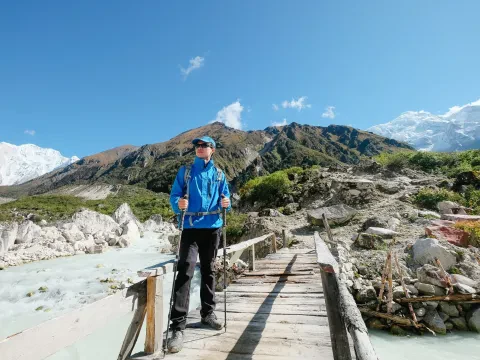
Nepal is the ultimate destination for trekkers from around the world. For passionate travelers, Nepal is a treasure to explore. The amazing mixture of lifestyles of the varied communities, flora, fauna, landscapes, and mountains make it a unique experience. The trekking trails in various parts of the country help you explore the naturally inbuilt structures here. Traveling to Nepal truly, therefore, is a dream come true.Among all the trekking trails here, the Manaslu circuit trek is a trail where not many people have put their steps on. This amazing area is bordered by the raging white water River BudhiGandaki to the east and by the beautiful Marshyangdi River to the west. Though the exciting route of Manaslu trek with the World's eighth highest peak, Manaslu (8,163 m) was officially opened to trekkers in 1991, this trail is less visited. The trek at Manaslu region starts at the elevation of 1000 m and reaches up to the altitude of 5200 m which is why a trekker gets the best opportunity to witness the wide range of flora typical of the mid-hills and the alpine regions of Nepal. Manaslu region is encircled by the eight highest mountains of the world. The trail reaches close to the Chinese border and is able to give the trekker an idea of the intact tradition and culture in the high and lowlands of the region. The trek starts from Gorkha, continues over Larkya La Pass down to Marshyangdi River, and ends at Besisahar, Lamjung.Manaslu Circuit Trekking Itinerary OverviewNepal is one of the most remarkable trekking destinations in the world, attracting adventurers who seek mountains, culture, and remote wilderness experiences. For passionate travelers, the Manaslu Circuit Trek offered by Odea Services is a journey into one of Nepal’s most untouched and spectacular regions. The trail circles Mount Manaslu (8,163 m), the eighth-highest mountain in the world, offering breathtaking views of Himalayan giants, deep river valleys, and traditional villages that remain deeply rooted in ancient Tibetan-influenced culture.Unlike more commercial trekking routes, the Manaslu region remains less crowded, giving trekkers a more peaceful and authentic Himalayan experience. The journey begins in the low hills of Gorkha and gradually ascends through lush forests, suspension bridges, and remote settlements before crossing the dramatic Larkya La Pass (5,160 m). This diversity of landscapes makes the trek both physically rewarding and visually unforgettable.This region is bordered by the Budhi Gandaki River on one side and the Marshyangdi River on the other, forming a natural corridor filled with biodiversity and cultural richness. Trekkers experience a gradual transition from tropical vegetation to alpine terrain, offering a complete Himalayan ecosystem within one trek.Key HighlightsTrek around Mt. Manaslu (8,163 m)Cross Larkya La Pass (5,160 m)Explore Nubri and Tsum cultural regionsExperience untouched Himalayan villagesRich biodiversity and mountain landscapesBest Season for Manaslu Circuit TrekkingThe best time to undertake the Manaslu Circuit Trek with Odea Services is during spring (March to May) and autumn (September to November). These seasons provide the most stable weather conditions, clear mountain views, and safe trekking routes. During these months, the skies are usually bright, and visibility of Himalayan peaks such as Manaslu, Himalchuli, and Ngadi Chuli is at its best.Spring brings blooming rhododendrons and lush green forests, making the trail colorful and vibrant. Autumn, on the other hand, offers crystal-clear mountain views after the monsoon rains, along with pleasant temperatures ideal for high-altitude trekking. These seasons also ensure safer crossing of Larkya La Pass due to minimal snow and stable weather conditions.Winter (December to February) is extremely cold at higher elevations, and heavy snowfall may block the pass. Similarly, the monsoon season (June to August) brings landslides and slippery trails, making trekking more challenging.Best Season HighlightsSpring (Mar–May): Flowers, mild weather, great visibilityAutumn (Sep–Nov): Clear skies, stable conditions, best mountain viewsWinter: Possible but very cold and riskyMonsoon: Not recommended due to landslidesManaslu Circuit Trekking Difficulty and TransportationThe Manaslu Circuit Trek is considered a moderate to challenging trek, mainly due to its long duration, remote trails, and high-altitude crossing of Larkya La Pass. With proper preparation and acclimatization, trekkers of reasonable fitness can complete the journey successfully with Odea Services support and experienced guides.The trek involves daily walking of 5 to 8 hours on varied terrain, including steep ascents, rocky paths, suspension bridges, and high-altitude snow sections. Altitude sickness is a potential risk as the route ascends above 5,000 meters, making acclimatization days essential.Transportation begins with a drive from Kathmandu to Soti Khola, followed by trekking through remote villages. At the end of the trek, jeep rides and road transport are used from Dharapani to Besisahar and back to Kathmandu, ensuring a complete circuit experience.Difficulty & Transport HighlightsModerate to challenging trekking gradeHigh altitude crossing (Larkya La Pass – 5,160 m)5–8 hours walking dailyJeep and road transport at start and endRequires physical fitness and preparationFood and Accommodation for Manaslu Circuit TrekkingDuring the Manaslu Circuit Trek with Odea Services, accommodation is mainly in local teahouses and lodges run by villagers. These provide basic but comfortable facilities, offering trekkers an authentic Himalayan lifestyle experience. Rooms are usually twin-sharing with simple beds, blankets, and shared bathrooms in most areas.Food along the trail is freshly prepared and includes a mix of Nepali, Tibetan, and basic international dishes. The most common meal is Dal Bhat (rice, lentils, vegetables), which provides essential energy for long trekking days. As altitude increases, menu variety becomes limited due to transportation constraints, but nutritious meals are always available.Trekkers are advised to eat local meals for freshness and sustainability. Hot drinks like tea, coffee, and soups are widely available and help with acclimatization in colder regions.Food & Accommodation HighlightsTeahouse/lodge accommodation throughout trekBasic but clean twin-sharing roomsTraditional Nepali meals (Dal Bhat set)Limited menu at higher altitudeHot drinks available dailyManaslu Circuit Trekking PermitsTo enter the Manaslu restricted region, trekkers must obtain special permits, which are fully arranged by Odea Services. The area is protected, and independent trekking is not allowed, ensuring controlled tourism and cultural preservation.Three main permits are required: Manaslu Restricted Area Permit (RAP), Manaslu Conservation Area Permit (MCAP), and Annapurna Conservation Area Permit (ACAP). Each permit serves to protect the environment and support local communities along the route.A licensed guide and a minimum of two trekkers are mandatory for this trek. This regulation ensures safety and enhances the trekking experience with cultural and geographical insights provided by experienced guides.Permit HighlightsManaslu Restricted Area Permit (RAP) requiredMCAP and ACAP conservation permitsLicensed guide mandatoryMinimum group requirement (2 trekkers)Arranged by Odea ServicesWhy Choose Manaslu Circuit Trekking with Odea ServicesChoosing Odea Services for the Manaslu Circuit Trek ensures a safe, well-organized, and culturally rich trekking experience. The company provides experienced local guides, proper acclimatization planning, and full logistical support from arrival in Kathmandu to departure.Odea Services focuses on responsible tourism, ensuring that trekkers not only enjoy the natural beauty but also contribute positively to local communities. The itinerary is carefully designed to balance adventure, safety, and cultural exploration.With personalized service, flexible arrangements, and professional trekking staff, Odea Services guarantees a memorable Himalayan journey that goes beyond just trekking—it becomes a lifetime experience.Why Choose UsExperienced local trekking guidesFull permit and logistics managementSafe and well-planned itineraryCultural immersion opportunities24/7 support during trek
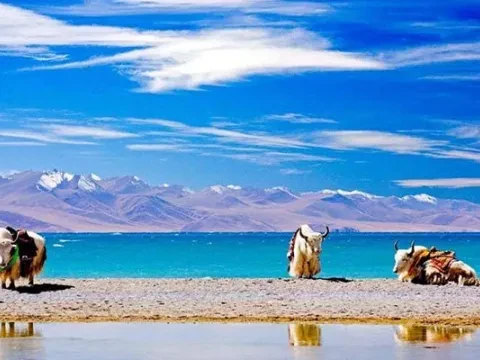
India, Nepal, and Tibet together create one of the most fascinating travel experiences in Asia, combining ancient civilizations, spiritual traditions, magnificent architecture, and breathtaking Himalayan landscapes. Odea Services offers a carefully designed India, Nepal, and Tibet Tour that connects the cultural wonders of India, the spiritual beauty of Nepal, and the mystical landscapes of Tibet into one unforgettable journey. This multi-country adventure allows travelers to explore historic cities, UNESCO World Heritage Sites, sacred temples, monasteries, and some of the world’s most spectacular mountain scenery.The journey begins in India, exploring the vibrant capital city of New Delhi, the royal heritage of Jaipur, and the timeless beauty of Agra. Travelers experience the contrast between modern urban life and centuries-old traditions while visiting iconic monuments such as forts, palaces, mosques, and the legendary Taj Mahal. The tour then continues to Nepal, where the Kathmandu Valley introduces visitors to ancient Hindu and Buddhist cultures, traditional architecture, and Himalayan viewpoints such as Nagarkot. The final chapter of this adventure takes travelers to Tibet, the “Roof of the World,” where sacred monasteries, high mountain passes, and the spiritual city of Lhasa reveal the unique culture of Tibetan Buddhism.Explore the historical and cultural treasures of India, Nepal, and Tibet.Visit UNESCO World Heritage Sites, ancient palaces, temples, and monasteries.Experience Himalayan landscapes, mountain passes, and breathtaking views.Discover Hindu and Buddhist spiritual traditions.Enjoy a professionally organized journey with comfortable transportation, accommodation, and local guidance.Experience three unique destinations in one remarkable Himalayan adventure.Best Season for India Nepal and Tibet ToursThe best season for an India Nepal and Tibet Tour depends on weather conditions, altitude, and the type of experience travelers want. Generally, the most favorable travel periods are spring (March to May) and autumn (September to November). During these months, the weather is pleasant, skies are clearer, and mountain views are at their best, making it ideal for sightseeing, cultural exploration, and Himalayan journeys.Spring brings colorful landscapes, blooming flowers, and comfortable temperatures throughout India and Nepal. In Nepal and Tibet, the Himalayan regions become especially beautiful during this period, with clear mountain scenery and excellent conditions for sightseeing. Autumn is considered one of the finest seasons because of stable weather, fresh mountain air, and crystal-clear views of the Himalayan ranges. This season is especially popular for travelers visiting Tibet and Nepal because of the excellent visibility of snow-covered peaks.Winter (December to February) can also be suitable for India tours, especially for exploring Delhi, Jaipur, and Agra, where temperatures remain comfortable compared to many other regions. However, high-altitude areas of Tibet can become extremely cold, and some mountain routes may be challenging. Summer (June to August) brings monsoon rains to Nepal and India, although Tibet remains relatively dry and can still be visited.Best Travel Seasons:Spring (March–May): Ideal weather, flowers, cultural sightseeing, and mountain views.Autumn (September–November): Best season for clear Himalayan scenery and Tibet travel.Winter (December–February): Good for India’s cultural cities and monuments.Summer (June–August): Suitable for Tibet but less favorable for India and Nepal due to monsoon.Major Places for India Nepal and Tibet ToursIndia – Heritage, Culture, and Historical WondersIndia is the first destination of this incredible journey, offering a perfect introduction to South Asian history and culture. The tour covers some of India’s most famous destinations, including Delhi, Jaipur, and Agra. New Delhi, the capital city, represents a fascinating combination of ancient heritage and modern development. Visitors explore impressive landmarks such as India Gate, Red Fort, Jama Masjid, Raj Ghat, Rashtrapati Bhavan, and bustling markets filled with traditional flavors and local lifestyles.Jaipur, famously known as the Pink City, showcases the royal heritage of Rajasthan. The magnificent Amber Fort, City Palace, Hawa Mahal, and Jantar Mantar demonstrate the artistic achievements and architectural brilliance of India’s former kingdoms. Agra is home to the world-famous Taj Mahal, a symbol of love and one of the most recognized monuments on earth. Travelers also visit Agra Fort and other historical attractions that reveal the grandeur of the Mughal Empire.Major India Attractions:New Delhi – Red Fort, India Gate, Jama Masjid, Parliament area, and historic landmarks.Jaipur – Amber Fort, Hawa Mahal, City Palace, and Jantar Mantar.Agra – Taj Mahal, Agra Fort, and Mughal heritage sites.Fatehpur Sikri – Ancient Mughal city with impressive architecture.Nepal – Spiritual Heritage and Himalayan BeautyNepal is a land of mountains, spirituality, and cultural diversity. Kathmandu Valley is the cultural heart of Nepal and offers an extraordinary collection of temples, palaces, and religious monuments. Travelers explore Kathmandu Durbar Square, Swayambhunath Stupa (Monkey Temple), Boudhanath Stupa, Pashupatinath Temple, Patan Durbar Square, and Bhaktapur Durbar Square. These historic sites reflect the deep connection between Hindu and Buddhist traditions that have shaped Nepal for centuries.Nagarkot provides a peaceful Himalayan retreat away from the busy cities. Famous for sunrise and sunset views over the Himalayan ranges, this beautiful hill station offers breathtaking scenery, traditional villages, and opportunities to experience Nepal’s natural beauty. On clear days, visitors can enjoy views of some of the world’s highest mountains.Major Nepal Attractions:Kathmandu – Ancient temples, UNESCO heritage sites, and cultural experiences.Swayambhunath – Historic Buddhist stupa with panoramic valley views.Boudhanath – One of the largest Buddhist stupas in the world.Pashupatinath – Nepal’s most sacred Hindu temple complex.Bhaktapur and Patan – Medieval cities with traditional architecture.Nagarkot – Himalayan sunrise viewpoint and peaceful countryside.Tibet – The Roof of the World and Spiritual JourneyTibet offers a unique experience with its high-altitude landscapes, ancient monasteries, and deeply preserved Buddhist traditions. The journey through Tibet introduces travelers to dramatic mountain scenery, including high passes, sacred lakes, and vast Himalayan landscapes. The route from Zhangmu/Nyalam to Lhasa provides unforgettable views of the Tibetan Plateau and surrounding mountains.Lhasa, the spiritual heart of Tibet, is home to some of the most important Buddhist sites in the world. Travelers explore the magnificent Potala Palace, once the residence of the Dalai Lama and a symbol of Tibetan culture. The sacred Jokhang Temple, surrounded by the famous Barkhor Market, attracts pilgrims from across Tibet and beyond. Visitors also discover the important monasteries of Drepung and Sera, where they can observe traditional Buddhist practices and famous monk debates.Major Tibet Attractions:Lhasa – The spiritual and cultural center of Tibet.Potala Palace – UNESCO World Heritage Site and Tibetan architectural masterpiece.Jokhang Temple – The holiest temple in Tibetan Buddhism.Sera Monastery – Famous for traditional monk debates.Drepung Monastery – One of Tibet’s largest and most influential monasteries.Yamdrok Lake and Himalayan passes – Stunning natural landscapes.Why Choose Odea Services for India Nepal and Tibet Tours?Odea Services specializes in creating memorable travel experiences by combining cultural discovery, comfortable arrangements, and expert local support. Our India Nepal and Tibet Tours are designed for travelers seeking a meaningful journey through history, spirituality, and Himalayan adventure. From airport transfers and accommodation to sightseeing arrangements and experienced guides, every detail is planned to provide a smooth and enjoyable experience.Why Travel with Odea Services:Customized India, Nepal, and Tibet travel packages.Experienced local travel professionals.Comfortable transportation and accommodation arrangements.Expert guidance for cultural and spiritual destinations.Carefully planned itineraries for a safe and memorable journey.A complete Himalayan adventure covering three extraordinary destinations.Odea Services welcomes travelers to explore the incredible beauty, heritage, and spirituality of India, Nepal, and Tibet through a journey filled with unforgettable moments and lifelong memories.
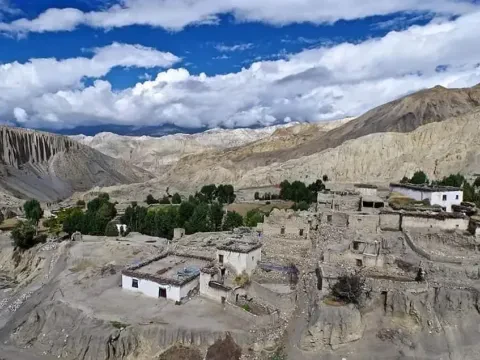
Upper Mustang Trekking is one of the most fascinating and culturally rich trekking adventures in Nepal, offering a rare journey into the hidden Himalayan kingdom of the Mustang region. Located in the north-central part of Nepal, Upper Mustang is a remote trans-Himalayan landscape that preserves ancient Tibetan-influenced culture, traditions, monasteries, and centuries-old settlements. Odea Services organizes this extraordinary trekking experience for travelers who want to explore a unique combination of natural beauty, historical heritage, and authentic mountain lifestyles.The Upper Mustang region was once an independent kingdom and is still known as the “Last Forbidden Kingdom” of Nepal because of its long isolation from the outside world. The trek takes you through dramatic landscapes filled with colorful cliffs, deep valleys, ancient caves, high mountain passes, and traditional villages built with stone and sun-dried mud bricks. The journey begins with cultural exploration in Kathmandu, continues through the beautiful lake city of Pokhara, and includes a scenic mountain flight from Pokhara to Jomsom through the world’s deepest Kali Gandaki Gorge.During the trek, travelers explore famous settlements such as Kagbeni, Chele, Ghami, Charang, and the legendary walled city of Lo Manthang. The ancient monasteries, including Ghar Gompa and other Buddhist heritage sites, provide a deep insight into the spiritual traditions of the region. The royal palace of Lo Manthang, ancient Buddhist murals, prayer walls, and traditional lifestyles make this trek a remarkable cultural experience.Upper Mustang Trekking with Odea Services is designed to provide a comfortable and memorable adventure while maintaining respect for local culture and nature. Our experienced guides ensure safe navigation, cultural interaction, and a meaningful Himalayan journey through one of Nepal’s most unique destinations.Explore the ancient hidden kingdom of Upper MustangVisit UNESCO World Heritage Sites in KathmanduExperience the beautiful lake city of PokharaEnjoy scenic mountain flights between Pokhara and JomsomDiscover ancient monasteries and Buddhist traditionsExplore the historic walled city of Lo ManthangExperience Tibetan-influenced culture and lifestyleWitness spectacular Himalayan landscapes and desert-like valleysBest Season for Upper Mustang TrekkingUpper Mustang Trekking is considered one of the best trekking adventures in Nepal because it can be visited for a longer period compared to many other Himalayan trekking regions. Due to its location in the rain shadow area of the Annapurna and Dhaulagiri mountain ranges, Upper Mustang receives very little rainfall during the monsoon season. This unique geographical feature makes it possible to trek even when many other trekking destinations in Nepal experience heavy rain.The best seasons for Upper Mustang Trekking are spring (March to May) and autumn (September to November). During spring, the weather is pleasant, with clear mountain views, comfortable temperatures, and beautiful landscapes decorated with blooming flowers. The villages become lively, and trekkers can enjoy peaceful trails while observing the traditional lifestyle of local communities.Autumn is considered the most popular season for the Upper Mustang Trek because of its stable weather conditions and excellent visibility. The skies remain clear, offering breathtaking views of Nilgiri, Annapurna, Dhaulagiri, and other Himalayan peaks. The dry trails and moderate temperatures make walking comfortable and enjoyable.Summer (June to August) is also suitable for Upper Mustang because the region lies in a rain-shadow zone. During this period, the trails remain relatively dry, and fewer tourists visit, providing a quieter trekking experience. Winter (December to February) is possible for experienced trekkers, but extremely cold temperatures, snowfall, and limited accommodation facilities can make the journey more challenging.Odea Services helps travelers select the ideal trekking season according to their preferences, fitness level, and travel schedule. Our team provides proper guidance to ensure a safe and enjoyable Upper Mustang adventure throughout the year.Best Seasons for Upper Mustang Trekking:Spring (March–May): Pleasant weather and beautiful landscapesAutumn (September–November): Best visibility and stable conditionsSummer (June–August): Dry trekking conditions due to rain-shadow locationWinter (December–February): Suitable for experienced trekkers seeking solitudeIdeal months: April, May, October, and NovemberUpper Mustang Trekking Difficulty and TransportationUpper Mustang Trekking is considered a moderate-level trekking adventure in Nepal, suitable for trekkers who have a reasonable level of fitness and a passion for exploring remote Himalayan landscapes. Although the trek does not require advanced mountaineering skills, walking through high-altitude terrain, dry valleys, rocky trails, and mountain passes requires good physical preparation. The trekking route reaches an altitude of around 3,840 meters at Lo Manthang, with several uphill and downhill sections throughout the journey.The trek usually involves walking approximately 5 to 7 hours per day through diverse landscapes, including ancient villages, desert-like cliffs, river valleys, and high mountain trails. Proper acclimatization is important because the altitude gradually increases as you move from Kagbeni toward the Upper Mustang region. Odea Services carefully designs the itinerary with sufficient rest periods and gradual altitude gain to help trekkers adjust comfortably and enjoy the journey safely.Transportation is an important part of the Upper Mustang Trekking experience. The adventure begins with cultural sightseeing in Kathmandu, followed by a scenic drive or short flight to Pokhara. From Pokhara, trekkers enjoy one of Nepal’s most spectacular mountain flights to Jomsom, passing above the Kali Gandaki Gorge with breathtaking views of Annapurna, Dhaulagiri, Nilgiri, and other Himalayan peaks. The trek officially begins from Jomsom, continuing through Kagbeni, Chele, Ghami, Charang, and finally reaching Lo Manthang.After completing the trek, transportation continues from Jomsom back to Pokhara by scenic flight. Travelers can then choose a flight or road journey from Pokhara to Kathmandu. Odea Services manages all transportation arrangements, including airport transfers, domestic flights, and local transportation, ensuring a smooth and comfortable trekking experience.Upper Mustang Trekking Difficulty and Transportation Highlights:Moderate trekking difficulty suitable for physically active travelersDaily walking duration: approximately 5–7 hoursMaximum altitude: around 3,840 meters at Lo ManthangRequires basic fitness and proper acclimatizationScenic flight from Pokhara to Jomsom and backPrivate vehicle services for airport and city transfersExperienced guides for safe mountain navigationFood and Accommodation for Upper Mustang TrekkingFood and accommodation play an important role in making your Upper Mustang Trekking experience comfortable and enjoyable. Since Upper Mustang is a remote Himalayan region, accommodation facilities are mainly based on traditional local lodges and guesthouses. These lodges provide clean rooms, comfortable beds, warm dining areas, and an opportunity to experience authentic mountain hospitality. Odea Services carefully selects reliable accommodations throughout the trekking route to ensure safety, cleanliness, and comfort for all travelers.During the trekking period, accommodation is arranged in local teahouses and guesthouses located in villages such as Kagbeni, Chele, Gilling, Charang, Lo Manthang, Ghami, Muktinath, and Jomsom. Most lodges offer basic but comfortable facilities, including twin-sharing rooms, blankets, and common dining areas. In Kathmandu and Pokhara, travelers stay in comfortable 3-star category hotels with modern facilities and convenient locations.Food during the Upper Mustang Trek provides enough energy for long days of walking in high-altitude environments. Local lodges serve a variety of nutritious meals including traditional Nepali, Tibetan, and simple international dishes. The famous trekking meal, Dal Bhat (rice, lentils, and vegetables), is a popular choice because it provides balanced nutrition and energy. Other available meals include noodles, pasta, soups, bread, eggs, potatoes, vegetables, and seasonal local dishes.Odea Services focuses on providing hygienic meals and comfortable accommodation while allowing travelers to experience the authentic lifestyle of the Mustang region. Our trekking team assists with meal planning and ensures that dietary requirements are considered whenever possible.Food and Accommodation Features:Comfortable 3-star hotel stays in Kathmandu and PokharaLocal lodge and guesthouse accommodation during trekkingClean and safe rooms with mountain hospitalityNutritious meals suitable for high-altitude trekkingTraditional Nepali and Tibetan-inspired cuisineBreakfast, lunch, and dinner arrangements during trekkingOpportunity to experience local Mustang culture and lifestyleUpper Mustang Trekking PermitsUpper Mustang is a restricted trekking area in Nepal because of its unique cultural heritage, sensitive environment, and location near the Tibetan border. Therefore, every foreign traveler must obtain special trekking permits before entering the Upper Mustang region. Odea Services takes care of all necessary permit arrangements to make the trekking process simple and convenient for travelers.The main permit required for Upper Mustang Trekking is the Restricted Area Permit (RAP) issued by the Government of Nepal. Trekkers must enter Upper Mustang through an authorized trekking agency and travel with a licensed guide. The permit helps regulate tourism activities while supporting conservation efforts and protecting the ancient traditions, monasteries, and cultural heritage of the region.In addition to the Restricted Area Permit, trekkers also need the Annapurna Conservation Area Permit (ACAP) because the trekking route passes through the Annapurna Conservation Area. These permits contribute to environmental protection, trail maintenance, and community development projects in the Himalayan region.The permit requirements include a valid passport, Nepal visa, passport-size photographs, and necessary travel documents. Individual trekking without an authorized agency is not allowed in Upper Mustang, making it essential to choose a trusted trekking company like Odea Services.Our experienced team handles the entire permit process before the trek begins, allowing travelers to focus on enjoying the adventure. We ensure that all documentation is properly completed and that the journey follows Nepal’s trekking regulations.Upper Mustang Trekking Permit Information:Restricted Area Permit (RAP) requiredAnnapurna Conservation Area Permit (ACAP) requiredTrekking must be organized through a registered agencyLicensed guide is mandatoryPassport and visa details required for permitsOdea Services manages all permit arrangementsSupports conservation and local community developmentWhy Choose Upper Mustang Trekking with Odea ServicesChoosing the right trekking company is essential for a safe, comfortable, and memorable Himalayan adventure. Odea Services provides professionally organized Upper Mustang Trekking packages designed to offer travelers an authentic experience of Nepal’s hidden kingdom. With experienced trekking guides, carefully planned itineraries, and personalized services, we ensure that every traveler enjoys the beauty, culture, and adventure of Upper Mustang.Odea Services understands that Upper Mustang is more than just a trekking destination; it is a journey through ancient history, Tibetan-influenced culture, sacred monasteries, and breathtaking Himalayan landscapes. Our experienced local guides provide valuable knowledge about Mustang’s traditions, villages, Buddhist heritage, and natural attractions. From Kathmandu sightseeing to the scenic flight between Pokhara and Jomsom, we manage every detail to create a smooth travel experience.Safety and customer satisfaction are our highest priorities. We provide proper planning, reliable transportation, quality accommodation, and continuous support throughout the trek. Our team helps trekkers with altitude awareness, route guidance, permit arrangements, and local communication, ensuring a worry-free adventure.By choosing Odea Services, travelers also contribute to responsible tourism by supporting local communities and respecting the cultural heritage of the Mustang region. We focus on sustainable trekking practices that protect the environment while creating meaningful connections between visitors and local people.Why Trek Upper Mustang with Odea Services:Experienced and professional trekking guidesCustomized trekking packages according to traveler needsComplete permit and transportation managementSafe and well-planned trekking itinerariesAuthentic cultural experiences with local communitiesComfortable accommodation and meal arrangementsCommitment to responsible and sustainable tourismMemorable Himalayan adventure with expert support
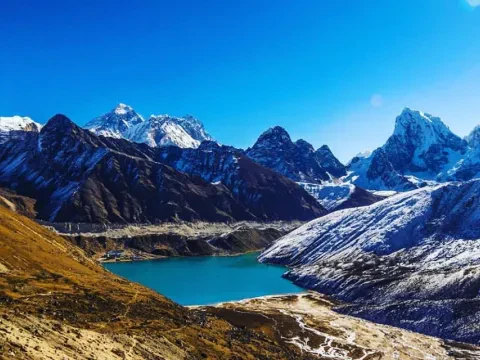
The Gokyo Valley and Everest Base Camp Trek falls under the famous Everest Circuit. This is the world renowned trekking trail of Nepal. Everyone is more than excited to see the highest mountain of the world, the Mt. Everest. In this trek one can experience the most adventurous airport, the Lukla airport situated at the highest altitude. The trekking trails go along the beautiful DudhKoshi River, many suspension bridges laden with prayer flags, the beautiful hills, and the highlight, the accompanying Himalayas. This trip also takes you to the home of the legendary Sherpa people, based at the foothills of the highest peak in the world, Mt. Everest at 8,848m.The Gokyo and the Khumbu valleys are debatably the most impressive and interesting of the Everest region. This trekking explores the friendly Sherpa villages, monasteries, wildlife and dramatic mountain scenery of the area.The other highlights of this trek is the high pass Cho La Pass situated at the height of 5,363 m, one of the three high passes at the Everest circuit. In this trek one is able to go to the viewpoints, GokyoRi and Kala Pathhar from where the scenery is exhilarating and impressive. The blue turquoise water of the Gokyo Lake is heavenly and the series of Lakes breath taking. Words are never enough to explain this trip which is why come and be a part of this trek with Odea Services and have the experience of a lifetime.Best Season for Everest Base Camp and Gokyo Lakes TrekThe Everest Base Camp and Gokyo Lakes Trek is one of the most spectacular trekking adventures in Nepal, offering a combination of high Himalayan landscapes, Sherpa culture, glacial lakes, and the world’s highest mountain, Mt. Everest. Choosing the right season is very important for a safe, comfortable, and memorable trekking experience. At Odea Services, we recommend planning this trek during the best weather periods when the mountain views are clear, trails are stable, and trekking conditions are favorable.The two best seasons for the Everest Base Camp and Gokyo Lakes Trek are spring (March to May) and autumn (September to November). During these months, the skies are generally clear, temperatures are comfortable, and trekkers can enjoy breathtaking panoramic views of Everest, Lhotse, Cho Oyu, Makalu, Ama Dablam, and other Himalayan peaks.Spring Season (March to May):Spring is one of the most beautiful times to trek in the Everest region. The entire trail comes alive with blooming rhododendron forests, colorful flowers, and pleasant weather. The temperature gradually increases, making high-altitude trekking more comfortable.Highlights of spring trekking:Clear mountain views and excellent photography opportunitiesColorful rhododendron forests along the trekking routeStable weather conditionsLess freezing temperatures compared to winterOpportunity to experience Everest expedition activitiesAutumn Season (September to November):Autumn is considered the best trekking season in Nepal because of its excellent visibility and stable climate. After the monsoon season, the atmosphere becomes fresh and clean, providing some of the clearest views of the Himalayas.Highlights of autumn trekking:Crystal-clear views of Everest and surrounding peaksComfortable daytime temperaturesDry trails and fewer weather challengesPerfect conditions for crossing Cho La PassOpportunity to experience local festivals and Sherpa cultureWinter (December to February) and monsoon (June to August) trekking are possible but require more preparation due to cold temperatures, snow, and unpredictable weather. With proper planning and experienced guides from Odea Services, trekkers can still enjoy an incredible Himalayan adventure throughout the year.Everest Base Camp and Gokyo Lakes Trek Difficulty and TransportationThe Everest Base Camp and Gokyo Lakes Trek is considered a challenging high-altitude trekking adventure in Nepal. The journey covers remote mountain landscapes, steep ascents and descents, glacier crossings, and high passes, including the famous Cho La Pass at 5,363 meters. This trek is suitable for trekkers with good physical fitness, strong determination, and a willingness to walk several hours daily in changing mountain conditions.The trek reaches some of the highest points in the Everest region, including Everest Base Camp (5,364m) and Kala Patthar (5,545m), where trekkers experience unforgettable views of Mt. Everest and the surrounding Himalayan giants. Proper acclimatization days, gradual altitude gain, and guidance from experienced professionals make the journey safer and more enjoyable.Everest Base Camp and Gokyo Lakes Trek Difficulty Factors:High altitude trekking above 5,000 metersWalking approximately 5–8 hours per daySteep uphill and downhill sectionsCrossing Cho La Pass with possible snow conditionsRemote mountain trails and changing weatherNeed for proper acclimatization and physical preparationTransportation During the Trek:The adventure begins with a scenic flight from Kathmandu to Lukla, one of the most famous mountain airports in the world. The 35-minute flight offers incredible views of the Himalayan range and provides the gateway to the Everest region.Odea Services arranges all necessary transportation, including airport transfers, domestic flights, and local support throughout the journey.Transportation includes:Airport pickup and drop-off in KathmanduKathmandu–Lukla–Kathmandu scenic mountain flightsPrivate vehicle transfers in KathmanduTrekking support arrangementsExperienced guides and porters throughout the routeFood and Accommodation for Everest Base Camp and Gokyo Lakes TrekDuring the Everest Base Camp and Gokyo Lakes Trek, trekkers experience a combination of local Himalayan hospitality and comfortable mountain accommodation. Odea Services carefully selects quality teahouses and lodges along the trekking route to ensure trekkers receive safe, clean, and comfortable places to rest after long days of walking.The teahouses in the Everest region provide basic but cozy accommodation with warm dining areas, comfortable beds, and beautiful mountain surroundings. While facilities become more basic at higher elevations, the friendly Sherpa hospitality makes the experience unique and memorable.Accommodation Features:Comfortable teahouse and lodge staysTwin-sharing rooms during the trekClean beds and blanketsDining areas with heating facilitiesTraditional Sherpa village experiencesHotel accommodation in Kathmandu before and after trekkingFood plays an important role in maintaining energy during high-altitude trekking. The trekking lodges offer a variety of nutritious meals including traditional Nepali food, Tibetan dishes, and some international options.Food options include:Traditional Dal Bhat (rice, lentils, and vegetables)Noodles, pasta, and soupsTibetan bread and pancakesMomos (Nepali/Tibetan dumplings)Eggs, vegetables, and seasonal foodsTea, coffee, and hot beveragesOdea Services ensures trekkers receive hygienic meals and proper nutrition throughout the trek to support their physical performance and comfort.Everest Base Camp and Gokyo Lakes Trek PermitsThe Everest Base Camp and Gokyo Lakes Trek takes place inside the protected Himalayan region of Nepal, and trekkers require several permits before entering the trekking area. These permits help preserve the natural environment, support local communities, and regulate tourism activities in the Everest region.Odea Services manages all necessary trekking permits and documentation, allowing trekkers to focus completely on enjoying their Himalayan adventure without worrying about administrative procedures.Required Permits for Everest Base Camp and Gokyo Lakes Trek:Sagarmatha National Park Permit:This permit is required because the trekking route passes through Sagarmatha National Park, a UNESCO World Heritage Site known for its unique biodiversity, glaciers, and Himalayan landscapes.Khumbu Pasang Lhamu Rural Municipality Permit:This local government permit supports the development and conservation of the Everest region while helping maintain trekking infrastructure.Other Important Documents:Valid passport detailsTravel insurance covering high-altitude trekkingEmergency contact informationFlight and accommodation arrangementsOdea Services assists trekkers in completing all permit requirements before and during the trek, ensuring a smooth and hassle-free trekking experience.Why Choose Everest Base Camp and Gokyo Lakes Trek with Odea Services?The Everest Base Camp and Gokyo Lakes Trek with Odea Services offers an unforgettable Himalayan experience combining adventure, natural beauty, cultural exploration, and professional trekking support. This trek is not only about reaching Everest Base Camp but also about exploring the hidden beauty of the Gokyo Valley, turquoise Himalayan lakes, ancient monasteries, and traditional Sherpa villages.Odea Services provides carefully designed trekking packages with experienced local guides, reliable support, and personalized service. Our goal is to make every trekker’s journey safe, comfortable, and memorable while allowing them to fully experience the beauty of the Everest region.Reasons to Choose Odea Services:Experienced and professional trekking guidesWell-planned itinerary with proper acclimatizationComplete permit and transportation arrangementsQuality accommodation and food managementSafety-focused trekking approachLocal Sherpa knowledge and cultural insightsPersonalized service and customer supportAffordable and reliable trekking packagesThe Everest Base Camp and Gokyo Lakes Trek is a once-in-a-lifetime adventure that combines the world’s highest mountains, breathtaking landscapes, and authentic Himalayan culture. With Odea Services, trekkers can experience this legendary journey with confidence, comfort, and unforgettable memories.
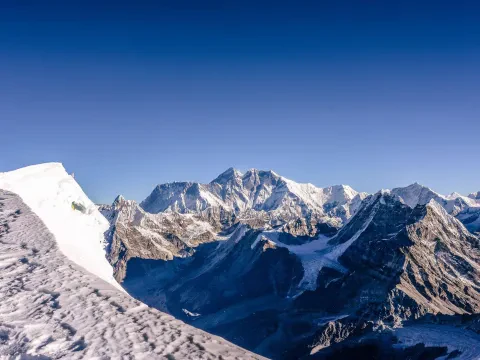
Mera Peak stands 6476 meters high and is considered one of the major, most popular trekking peaks in Nepal. It lies in the Khumbu Himalayan Range. The trail winds amongst forests of pine and rhododendrons in this remote and uninhabited valley lead to the alpine Environment of Mera Base Camp. The Peak itself rises to the south of Everest. The ascent of the peak is technically straightforward, however heavy snow and a maze of crevasses can make our journey a long way to the summit.Besides the charm of climbing Mera Peak, the trek to base camp from Lukla is rewarding to experience rare un-spoilt regions of Nepal with densely forested hillsides. Mera Peak is classified as a trekking peak in Nepal which means it is also accessible for non-climbers, although trekking and basic experience is preferred. The necessary techniques and safety rules will be instructed to new trekkers during the route. Second reason is that from Mera Peak one can observe the major five peaks over 8000m from summit: Mt. Everest, Lhotse, Cho Oyo, Makalu, and Kanchenjunga. The weather and the condition of snow must be good for the safety and success of summit.Mera Peak Climbing OverviewMera Peak Climbing is one of the most exciting and rewarding trekking peak adventures in Nepal, offering an incredible combination of Himalayan trekking, high-altitude climbing experience, and breathtaking mountain scenery. Standing at an elevation of 6,476 meters, Mera Peak is the highest officially recognized trekking peak in Nepal. Located in the remote and beautiful Khumbu Himalayan region, south of Mount Everest, the peak provides an outstanding opportunity for adventure seekers who wish to experience Himalayan mountaineering without requiring advanced technical climbing skills.The journey to Mera Peak begins with a scenic flight from Kathmandu to Lukla and continues through peaceful Sherpa villages, dense rhododendron and pine forests, remote valleys, and untouched alpine landscapes. Unlike the busy Everest Base Camp route, the Mera Peak trail takes climbers through less crowded and pristine regions, allowing them to experience authentic Himalayan culture and nature.The climbing route is considered technically straightforward compared to other Himalayan peaks, but the high altitude, glacier crossings, heavy snowfall, and crevasse sections make it a challenging and rewarding expedition. Odea Services provides experienced climbing guides, proper acclimatization schedules, safety support, and climbing instructions to help both beginner and experienced climbers successfully reach the summit.From the summit of Mera Peak, climbers are rewarded with one of the most spectacular panoramic views in the Himalayas. On a clear day, you can witness some of the world's highest mountains, including Mount Everest, Lhotse, Cho Oyu, Makalu, and Kanchenjunga.Highest point: 6,476 metersFirst ascent: May 20, 1953, by Col. Jimmy Roberts and Sen TenzingLocation: Khumbu Himalayan Region, NepalDuration: Approximately 22 daysBest for: Adventure trekkers, beginner climbers, and experienced mountaineersStunning views of five mountains above 8,000 metersRemote Himalayan landscapes and authentic Sherpa cultureBest Season for Mera Peak ClimbingChoosing the right season is one of the most important factors for a successful Mera Peak Climbing expedition. Nepal experiences different weather conditions throughout the year, and climbing a high-altitude peak requires stable weather, clear visibility, and favorable snow conditions.The best seasons for Mera Peak Climbing are spring (March to May) and autumn (September to November). During these months, the weather is generally stable, the skies are clear, and mountain views are excellent. Spring offers colorful rhododendron forests, warmer temperatures, and longer daylight hours, making it one of the most beautiful times to trek toward Mera Base Camp.Autumn is another ideal season because of the dry weather, excellent visibility, and comfortable trekking conditions. After the monsoon season, the atmosphere becomes clear, providing magnificent views of Everest, Makalu, Lhotse, and surrounding peaks.Winter climbing is possible for experienced climbers, but extreme cold, strong winds, and heavy snowfall make the expedition more challenging. The monsoon season is generally avoided because rain, clouds, and flight delays can affect the trekking schedule.Best Seasons:Spring (March–May): Best mountain views, colorful landscapes, stable weatherAutumn (September–November): Clear skies, dry trails, ideal climbing conditionsWinter (December–February): Possible but more challenging due to cold temperaturesMonsoon (June–August): Less recommended due to rain and unstable weatherMera Peak Climbing Difficulty and TransportationMera Peak Climbing is classified as a trekking peak in Nepal, making it accessible to climbers with basic mountaineering knowledge and good physical fitness. Although the technical climbing requirements are moderate, the altitude makes the expedition demanding. Climbers should be prepared for long trekking days, glacier walking, cold temperatures, and reduced oxygen levels at higher elevations.The major challenges include crossing the Mera Glacier, climbing steep snow slopes, adjusting to high altitude, and managing unpredictable Himalayan weather. Odea Services follows a carefully designed itinerary with acclimatization days at Lukla and Thagnak to allow climbers' bodies to adjust gradually to increasing elevation.Basic climbing skills such as using crampons, ice axes, ropes, and glacier safety techniques are introduced and practiced before the summit attempt. Our experienced guides ensure that climbers understand safety procedures and climbing techniques before reaching higher camps.Difficulty Level:Grade: Moderate to challenging trekking peakMaximum altitude: 6,476 metersRequires good physical fitness and enduranceBasic mountaineering training is recommendedGlacier crossing and high-altitude climbing involvedProper acclimatization requiredTransportation During the Expedition:International arrival and departure support in KathmanduScenic flight: Kathmandu to Lukla (approximately 35 minutes)Private vehicle transfers in KathmanduTrekking transportation by walking trailsHelicopter rescue assistance available when required (additional cost)Food and Accommodation for Mera Peak ClimbingDuring the Mera Peak Climbing expedition, Odea Services provides carefully arranged meals and accommodation to ensure climbers remain healthy and energized throughout the journey. Nutrition plays an important role at high altitudes, so meals are prepared with a focus on providing enough carbohydrates, protein, and energy for trekking and climbing activities.During the trekking section, accommodation is provided in comfortable local teahouses operated by Sherpa families. These lodges provide basic but warm facilities, including dining areas, shared rooms, and traditional Himalayan hospitality. At Mera Base Camp, High Camp, and other remote areas, accommodation is arranged in well-managed camping facilities.Meals include a variety of local and international dishes. Climbers can enjoy traditional Nepali food along with common trekking meals suitable for high-altitude environments.Food Includes:Breakfast, lunch, and dinner during the trekTraditional Nepali meals (Dal Bhat, vegetables, noodles)Tibetan bread, soups, pasta, rice, and snacksTea, coffee, and hot drinksHigh-energy climbing meals at higher campsAccommodation Includes:Hotel accommodation in KathmanduTeahouse accommodation during trekkingTent camping at Mera Base Camp and High CampSleeping tents, dining tents, and kitchen support during campingMera Peak Climbing PermitsMera Peak Climbing requires several official permits issued by the Government of Nepal and local authorities. These permits help regulate mountain activities, support conservation programs, and ensure safe climbing operations in the Himalayan region.Odea Services arranges all necessary permits and official documentation before the expedition begins, allowing climbers to focus completely on their adventure. Our team handles the administrative process, including peak climbing permits, national park entry permits, and local area permits.Required Permits for Mera Peak Climbing:Mera Peak Climbing Permit issued by Nepal Mountaineering Association (NMA)Makalu Barun National Park PermitKhumbu Pasang Lhamu Rural Municipality PermitTIMS (Trekkers’ Information Management System) CardRequired local trekking documentationHaving proper permits is essential for legal and safe climbing. Odea Services ensures that all permits are obtained according to Nepal government regulations.Why Choose Mera Peak Climbing with Odea Services?Odea Services provides professionally organized Mera Peak Climbing expeditions designed for safety, comfort, and unforgettable Himalayan experiences. With experienced climbing guides, carefully planned itineraries, and strong local knowledge, we help adventurers achieve their dream of standing on one of Nepal’s highest trekking peaks.Our team focuses on responsible adventure tourism by respecting local cultures, protecting the Himalayan environment, and supporting local communities. From airport arrival to the final departure, Odea Services provides complete support, including accommodation arrangements, permits, meals, transportation, and experienced mountain staff.Mera Peak Climbing with Odea Services is not only about reaching the summit; it is about experiencing the beauty of Nepal’s mountains, meeting Sherpa communities, exploring remote valleys, and creating lifelong memories.Reasons to Choose Odea Services:Experienced and professional climbing guidesCustomized trekking and climbing itinerariesComplete permit and logistics managementSafety-focused expedition planningQuality accommodation and mealsLocal Sherpa expertise and mountain knowledgeProper acclimatization scheduleResponsible and eco-friendly travel approachLifetime Himalayan adventure experienceMera Peak Climbing is an ideal choice for those who dream of Himalayan adventure, breathtaking landscapes, and the achievement of standing above 6,000 meters. With Odea Services, every step of your journey is carefully managed to make your climb safe, successful, and memorable.
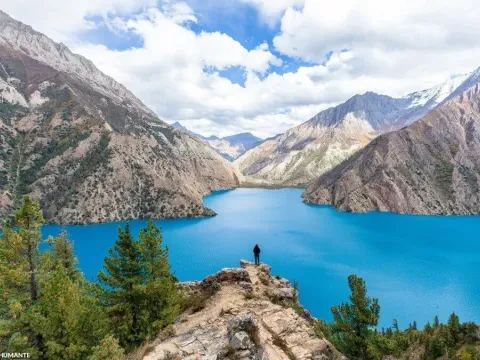
The Upper Dolpo Trek is one of Nepal's most extraordinary trekking adventures, offering a rare opportunity to explore one of the most remote and culturally preserved regions of the Himalayas. Located in the far western part of Nepal, Upper Dolpo remains largely untouched by modern development due to its restricted area status. This hidden Himalayan kingdom is renowned for its dramatic landscapes, centuries-old Tibetan Buddhist culture, high mountain passes, pristine valleys, and isolated villages where traditional lifestyles have remained unchanged for generations. Travelers seeking a genuine wilderness experience will find Upper Dolpo to be one of the finest trekking destinations in the world.The journey takes trekkers through dense pine and cedar forests, alpine meadows, deep river gorges, barren high-altitude plateaus, and spectacular snow-covered mountain passes. One of the major highlights is the breathtaking Phoksundo Lake, Nepal's deepest lake and one of the highest freshwater lakes in the world. Its brilliant turquoise water, surrounded by towering cliffs and snow-capped peaks, creates an unforgettable landscape. The trek also visits the sacred Shey Gompa, one of the oldest and most revered monasteries in the Himalayan region, where Buddhist pilgrims gather every year for religious festivals.Upper Dolpo is home to fascinating wildlife, including blue sheep, Himalayan griffons, musk deer, and the elusive snow leopard within Shey Phoksundo National Park. The region is equally famous for its medicinal herbs, especially Yarsagumba, the rare caterpillar fungus valued throughout Asia. During the trek, visitors experience authentic Tibetan Buddhist traditions, ancient monasteries, colorful prayer flags, mani walls, and welcoming local communities that have preserved their unique heritage for centuries.The classic Upper Dolpo Trek begins with flights from Kathmandu to Nepalgunj and then to Juphal before entering the remote Dolpo region. The route crosses several challenging mountain passes, including Kang La (5,151m), Saldang La (4,785m), and Jeng La (4,845m), offering magnificent Himalayan panoramas throughout the journey. Every day presents a new landscape, making the adventure both physically rewarding and culturally enriching.At Odea Services, we carefully organize every aspect of the Upper Dolpo Trek to ensure a safe, enjoyable, and memorable experience. Our experienced trekking guides, licensed staff, reliable camping support, and personalized service allow trekkers to enjoy one of Nepal's most rewarding wilderness expeditions fully.Explore one of Nepal's most remote restricted trekking regions.Visit the spectacular turquoise Phoksundo Lake.Discover the ancient Shey Gompa Monastery.Cross three high Himalayan passes above 4,700 meters.Experience authentic Tibetan Buddhist culture.Trek through Shey Phoksundo National Park.Observe unique Himalayan flora and wildlife.Camp beneath spectacular mountain scenery.Visit traditional villages including Dho Tarap and Saldang.Professional organization and support from Odea Services.Best Season for Upper Dolpo TrekChoosing the right trekking season is one of the most important factors for a successful Upper Dolpo Trek. Since Dolpo lies in the Himalayan rain shadow, the region receives significantly less rainfall than many other trekking destinations in Nepal. This unique geography allows trekkers to visit Upper Dolpo even during Nepal's summer monsoon when many popular trekking regions experience heavy rain.The most recommended trekking seasons are spring (April to June) and autumn (September to November). During spring, the weather is generally stable, temperatures are comfortable, and the hills bloom with colorful rhododendrons and alpine flowers. Snow still decorates the surrounding peaks, providing stunning mountain scenery. Autumn offers crystal-clear skies, pleasant daytime temperatures, excellent visibility, and stable weather conditions, making it the most popular trekking season.Unlike many trekking routes, Upper Dolpo can also be visited during parts of the summer because of its dry climate. However, winter trekking from December to February is considerably more challenging due to heavy snowfall on high passes and freezing temperatures, making many routes inaccessible.Odea Services carefully monitors weather conditions and flight schedules to ensure the safest possible trekking experience. Our experienced guides help adjust the itinerary whenever necessary, ensuring that trekkers can complete the adventure comfortably and safely.Best SeasonsSpring (April–June)Autumn (September–November)Dry summer conditions in the rain shadowExcellent mountain visibilityComfortable daytime temperaturesStable trekking conditionsUpper Dolpo Trek Difficulty and TransportationThe Upper Dolpo Trek is considered one of Nepal's most demanding and rewarding camping treks. The journey involves long trekking days ranging from five to eight hours while crossing several high mountain passes above 5,000 meters. Good physical fitness, previous trekking experience, and proper acclimatization significantly improve the overall trekking experience.Trekkers should be prepared for remote conditions, basic facilities, and changing mountain weather. The challenging terrain includes steep ascents, rocky trails, river crossings, alpine valleys, and high-altitude passes. Despite the physical demands, the incredible scenery, rich culture, and sense of wilderness make every step worthwhile.Transportation begins with a domestic flight from Kathmandu to Nepalgunj, followed by another scenic mountain flight to Juphal, the gateway to Upper Dolpo. After completing the trek, the same flight route returns travelers to Kathmandu. Since flights depend heavily on mountain weather, itinerary flexibility is important, which is why reserve days are highly recommended.Odea Services manages all transportation arrangements, domestic flights, airport transfers, trekking logistics, camping equipment, and porter services. Our experienced local team ensures smooth coordination throughout the expedition while prioritizing safety and comfort.Difficulty & TransportationChallenging Grade TrekMaximum altitude: 5,151 metersDaily walking: 5–8 hoursRemote camping expeditionKathmandu–Nepalgunj–Juphal flightsExperienced guides and portersReserve a day for weather-related flight delaysFood and Accommodation for Upper Dolpo TrekAccommodation during the Upper Dolpo Trek consists primarily of fully organized camping due to the region's remoteness. Comfortable tents are provided along with dining tents, kitchen tents, toilet tents, and sleeping arrangements suitable for high-altitude camping. In Kathmandu and Nepalgunj, trekkers stay in comfortable hotels before and after the trekking adventure.Meals are freshly prepared by experienced camping cooks throughout the trek. The menu includes a balanced combination of Nepali, Tibetan, and international dishes to provide sufficient energy for long trekking days. Common meals include rice, lentils, vegetables, soups, noodles, potatoes, pasta, eggs, bread, porridge, seasonal fruits, tea, coffee, and hot drinks. Drinking water is purified before consumption to ensure safety.Since Upper Dolpo is an isolated region with limited supplies, meals are planned carefully to maintain both nutrition and variety. Odea Services transports food supplies, kitchen equipment, fuel, and camping gear with the trekking crew to provide reliable meal service throughout the expedition.Our camping staff works hard each day to prepare comfortable campsites while ensuring cleanliness, hygiene, and quality service in one of Nepal's most remote trekking destinations.Food & AccommodationComfortable hotel stays in KathmanduFully organized camping during the trekProfessional camping crewFreshly prepared mealsNepali, Tibetan, and continental cuisineSafe drinking waterHygienic cooking practicesDining tent and kitchen supportUpper Dolpo Trek PermitsUpper Dolpo is a government-designated restricted area, requiring special trekking permits in addition to national park entry permits. These regulations help preserve the fragile environment, unique wildlife, and traditional Tibetan culture that have remained protected for centuries.Trekkers must obtain a Restricted Area Permit (RAP) for Upper Dolpo, a Shey Phoksundo National Park Entry Permit, and a TIMS card if applicable under current regulations. The restricted permit can only be arranged through a registered Nepali trekking company, and independent trekking is generally not permitted. Trekkers are also required to travel with a licensed guide according to government regulations.Odea Services handles every aspect of the permit application process before your trek begins. Our experienced team ensures all necessary documents, approvals, and trekking logistics are completed efficiently, allowing you to focus entirely on your Himalayan adventure.We also provide pre-departure guidance regarding passport validity, visa requirements, permit documentation, and itinerary planning to make your trekking experience as smooth as possible.Required PermitsUpper Dolpo Restricted Area PermitShey Phoksundo National Park Entry PermitTIMS (if applicable)Licensed trekking guideRegistered trekking company arrangementPassport and visa documentationWhy Choose Odea Services for Upper Dolpo TrekChoosing the right trekking company is essential for a safe and successful Upper Dolpo expedition. At Odea Services, we combine local knowledge, professional trekking expertise, experienced guides, and personalized service to deliver unforgettable Himalayan adventures. Our commitment to safety, responsible tourism, and customer satisfaction has made us a trusted choice for trekkers from around the world.Our experienced guides possess extensive knowledge of Upper Dolpo's geography, culture, religion, wildlife, and mountain conditions. We carefully manage acclimatization schedules, campsite selection, transportation, food supplies, permits, and emergency planning to ensure every client enjoys a comfortable and secure journey. Whether you are an experienced trekker or an adventurous traveler seeking a unique Himalayan experience, our team provides professional support from arrival to departure.With Odea Services, every trek is designed to showcase the natural beauty and cultural richness of Upper Dolpo while respecting local communities and environmental conservation. We believe that every journey should be authentic, safe, and memorable, creating lifelong memories in one of Nepal's most spectacular mountain regions.Why Trek with Odea ServicesLicensed and experienced local guidesComplete permit managementReliable airport transfers and domestic flightsHigh-quality camping equipmentProfessional cooks and support staffFlexible itinerary with reserve daySafety-focused trekking operationsPersonalized customer serviceResponsible and sustainable tourismExceptional value and unforgettable Himalayan experiences
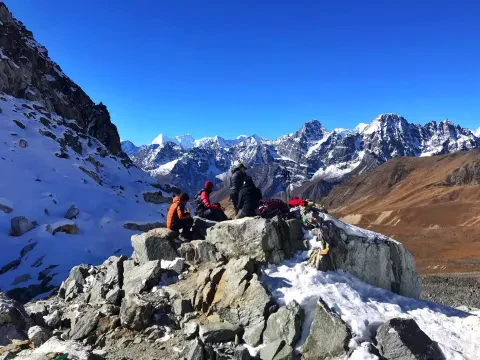
Everest Three Passes Trek is one of the most adventurous and challenging trekking journeys in Nepal’s Everest region. Organized by Odea Services, this incredible Himalayan adventure takes you across three high mountain passes: Renjo La Pass (5,360m), Cho La Pass (5,420m), and Kongma La Pass (5,535m), offering a complete exploration of the remote valleys, glaciers, traditional Sherpa villages, and spectacular mountain landscapes of the Khumbu region.This trek is designed for experienced trekkers who want more than a standard Everest Base Camp journey. The route combines the famous Everest Base Camp (5,364m), the stunning viewpoint of Kala Patthar (5,545m), and the beautiful turquoise lakes of Gokyo Valley. Throughout the trek, you will witness panoramic views of some of the world’s highest peaks, including Mt. Everest (8,848m), Lhotse (8,516m), Makalu (8,481m), Cho Oyu (8,210m), Ama Dablam, and Nuptse.Crossing three spectacular high-altitude passes: Renjo La, Cho La, and Kongma LaVisiting Everest Base Camp, the dream destination for adventure loversSunrise view from Kala Patthar overlooking Everest and surrounding peaksExploring Gokyo Lakes and climbing Gokyo Ri for panoramic Himalayan viewsWalking through Sagarmatha National Park, a UNESCO World Heritage SiteExperiencing Sherpa culture, monasteries, and mountain traditionsVisiting Tengboche Monastery, the largest monastery in the Khumbu regionScenic mountain flight between Kathmandu and LuklaThe Everest Three Passes Trek takes around 20 days and provides a complete Himalayan experience combining adventure, culture, nature, and unforgettable mountain scenery. With experienced guides, proper planning, and professional support, Odea Services ensures a safe and memorable trekking experience in the Everest region.Best Season for Everest Three Passes TrekChoosing the right season is very important for a successful Everest Three Passes Trek because the route involves crossing three high-altitude passes where weather conditions can change quickly. The best seasons for this trek are spring (March to May) and autumn (September to November) when the skies are clear, temperatures are stable, and mountain views are at their best.During spring, the Everest region becomes colorful with blooming rhododendron forests, warm daytime temperatures, and excellent visibility of Himalayan peaks. Autumn is considered the most popular trekking season because of clear blue skies, dry trails, and breathtaking views of Everest, Lhotse, Makalu, and other surrounding mountains.Best Trekking Seasons:Spring (March–May): Ideal weather, blooming flowers, clear mountain viewsAutumn (September–November): Best visibility, stable weather, and comfortable trekking conditionsWinter (December–February): Possible for experienced trekkers but very cold with snow-covered passesMonsoon (June–August): Less recommended due to rain, slippery trails, and flight delaysOdea Services recommends spring and autumn as the safest and most enjoyable periods for crossing Renjo La, Cho La, and Kongma La passes. These seasons provide the best opportunity to enjoy breathtaking landscapes and complete the trek safely.Everest Three Passes Trek Difficulty and TransportationThe Everest Three Passes Trek is considered one of the most challenging tea-house trekking routes in Nepal. The difficulty comes from the high altitude, long walking hours, steep ascents and descents, and crossing three mountain passes above 5,000 meters. Trekkers need good physical fitness, strong determination, and previous hiking experience to successfully complete this adventure.The trek involves walking approximately 5–8 hours daily through rugged Himalayan terrain. Proper acclimatization days in places like Namche Bazaar and Gokyo are included to help your body adjust to increasing altitude and reduce the risk of altitude sickness.Trek Difficulty Factors:High altitude reaching above 5,500 metersCrossing three challenging mountain passesLong walking days on rocky and snowy trailsCold weather and changing mountain conditionsRequires good physical fitness and enduranceTransportation During the Trek:The adventure begins with a scenic mountain flight from Kathmandu to Lukla, one of the most famous and thrilling flights in the world. From Lukla, the journey continues on foot through Sherpa villages, forests, valleys, glaciers, and mountain passes.Odea Services arranges all necessary transportation, including airport transfers, Lukla flights, and local arrangements, ensuring a smooth and comfortable journey from arrival in Kathmandu until departure.Food and Accommodation for Everest Three Passes TrekDuring the Everest Three Passes Trek, accommodation is provided in comfortable tea houses located along the trekking route. These mountain lodges offer basic but clean rooms with twin beds, blankets, and shared bathroom facilities in most areas. Staying in tea houses also provides a great opportunity to experience authentic Sherpa hospitality and mountain lifestyle.In larger villages such as Namche Bazaar and Lukla, trekkers can find more comfortable lodges with additional facilities like hot showers, Wi-Fi, charging facilities, and better dining options. Higher-altitude areas have more basic facilities due to the remote environment.Food Facilities:Traditional Nepali meals including Dal Bhat (rice, lentils, and vegetables)Tibetan and Sherpa dishesNoodles, pasta, soups, and fried riceBread, eggs, pancakes, and breakfast optionsTea, coffee, and hot beveragesOdea Services carefully selects hygienic tea houses and recommends balanced meals to maintain energy throughout the trek. Proper nutrition and hydration are essential for completing high-altitude sections safely.Everest Three Passes Trek PermitsThe Everest Three Passes Trek requires several permits because the route passes through protected areas and local communities. Odea Services manages all necessary permits and documentation before and during the trek, allowing trekkers to focus completely on enjoying their Himalayan adventure.Required Permits:Sagarmatha National Park Entry PermitKhumbu Pasang Lhamu Rural Municipality PermitTIMS Card (Trekkers’ Information Management System) where applicableThe Sagarmatha National Park permit helps protect the natural environment, wildlife, and cultural heritage of the Everest region. The local area permit supports community development and maintains trekking infrastructure.With Odea Services, all permit arrangements are handled professionally, ensuring a smooth trekking experience without unnecessary delays.6. Why Choose Everest Three Passes Trek with Odea ServicesChoosing the right trekking company is essential for a challenging adventure like the Everest Three Passes Trek. Odea Services provides professional trekking management, experienced guides, reliable support, and personalized service to make your Himalayan journey safe, comfortable, and unforgettable.Our experienced local guides have extensive knowledge of the Everest region, including mountain conditions, Sherpa culture, altitude management, and emergency procedures. We focus on responsible trekking practices while ensuring every traveler receives genuine hospitality and support.Why Choose Odea Services:Experienced and licensed trekking guidesCarefully planned itinerary with proper acclimatizationComplete permit and transportation arrangementsSafe and comfortable tea house accommodationPersonalized service and flexible trekking supportKnowledgeable local team with Everest region experienceCommitment to responsible and sustainable tourismThe Everest Three Passes Trek is not just a mountain journey; it is a life-changing experience filled with adventure, cultural discovery, and breathtaking natural beauty. With Odea Services, you can explore the legendary Everest region confidently and create memories that last a lifetime.
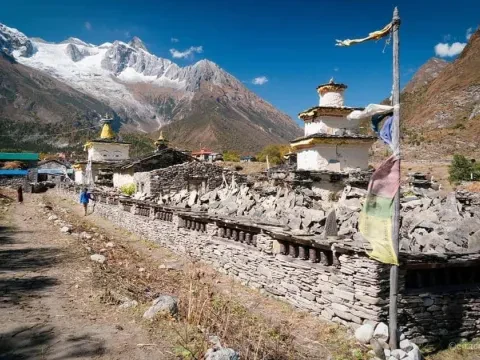
Tsum Valley Trek is one of Nepal’s most beautiful and culturally rich off-the-beaten-path trekking journeys, located in the remote Himalayan region of northern Gorkha. Known as the “Hidden Valley,” Tsum Valley offers a peaceful trekking experience through ancient Buddhist villages, sacred monasteries, dramatic landscapes, and breathtaking Himalayan scenery. This 16-day adventure begins and ends in Kathmandu, combining cultural exploration, scenic drives, and a memorable Himalayan walking experience.The trek takes you deep into the restricted Tsum Valley, where traditional Tibetan-influenced lifestyles remain preserved. Trekkers pass through lush forests, terraced fields, suspension bridges, rivers, waterfalls, and high mountain settlements while enjoying views of Himalchuli, Ganesh Himal, Shringi Himal, Boudha Himal, and other Himalayan peaks. Odea Services organizes this trek with experienced guides, comfortable arrangements, and proper trekking support to ensure a safe and enjoyable journey.Explore the hidden and peaceful Tsum Valley region of Nepal.Visit ancient Buddhist monasteries, including Mu Gompa.Experience traditional Tibetan culture and mountain village lifestyles.Enjoy stunning views of Himalchuli, Ganesh Himal, and Boudha Himal.Discover Milarepa Cave, sacred sites, and remote Himalayan landscapes.Trek through forests, rivers, waterfalls, and beautiful mountain trails.Guided by experienced trekking professionals from Odea Services.Tsum Valley Trek Itinerary OverviewThe Tsum Valley Trek itinerary is carefully designed to provide a balanced experience of adventure, culture, and acclimatization. The journey begins with arrival in Kathmandu, where trekkers receive a warm welcome and prepare for the trek. A short sightseeing tour introduces the historical and spiritual attractions of Kathmandu before heading toward the trekking region.The trekking section begins with a scenic drive from Kathmandu to Machha Khola through Arughat and Soti Khola. From there, the trail gradually enters the remote Himalayan landscape, passing through Jagat, Lokpa, Chumling, Chhokang Paro, Nile, and Mu Gompa. The route allows trekkers to explore the unique beauty and spiritual atmosphere of Tsum Valley before returning through Burgi Village, Philim, Khorla Bensi, and Machha Khola.Main itinerary features:Kathmandu cultural sightseeing and trek preparation.Scenic drive through hills, rivers, villages, and countryside landscapes.Trekking through Machha Khola, Jagat, Lokpa, and Chumling.Exploration of Chhokang Paro, Nile, and Mu Gompa.Return journey through traditional mountain villages.Final drive back to Kathmandu and departure assistance.Tsum Valley Trek Cultural ExperienceTsum Valley Trek offers a rare opportunity to experience the ancient Buddhist culture and traditions of the Himalayan people. The valley is home to communities with strong Tibetan heritage, where visitors can observe traditional lifestyles, prayer flags, mani walls, monasteries, and centuries-old religious practices.During the trek, you will visit important spiritual sites such as Mu Gompa and Milarepa Piren Phu Cave. The peaceful monasteries surrounded by mountains create a deeply spiritual atmosphere. Local villages such as Chumling, Chhokang Paro, and Nile provide insight into the customs, hospitality, and daily lives of mountain communities.Cultural highlights include:Traditional Tibetan Buddhist villages and monasteries.Ancient prayer walls, chortens, and Buddhist monuments.Interaction with local Himalayan communities.Exploration of historic religious sites.Experience of unique mountain traditions and festivals.Tsum Valley Trek Natural Beauty and LandscapeThe natural beauty of Tsum Valley Trek is one of its greatest attractions. The trail passes through diverse landscapes, beginning with green hills and river valleys before reaching high Himalayan terrain. The changing scenery includes dense rhododendron forests, pine forests, waterfalls, glaciers, and panoramic mountain views.Trekkers can enjoy spectacular views of snow-covered Himalayan peaks throughout the journey. The peaceful environment, fresh mountain air, and untouched landscapes make Tsum Valley a perfect destination for travelers seeking nature, adventure, and solitude.Natural attractions of the trek:Beautiful views of Himalayan peaks and glaciers.Lush forests filled with rhododendron and pine trees.Scenic rivers, waterfalls, and mountain valleys.Remote landscapes away from crowded trekking routes.Diverse flora and wildlife, including Himalayan birds and monkeys.Tsum Valley Trek Difficulty and AdventureTsum Valley Trek is considered a moderate-level Himalayan trek suitable for trekkers with good physical fitness and a passion for adventure. The route involves walking through uneven mountain trails, steep ascents, and descents at high elevations. Proper preparation and gradual acclimatization make the trek achievable for most active travelers.The highest point of the trek is Mu Gompa at approximately 3,700 meters, offering incredible views and a rewarding Himalayan experience. With professional guidance and support from Odea Services, trekkers can complete the journey safely while enjoying every part of the adventure.Difficulty and preparation points:Moderate trekking difficulty with daily walking sections.Maximum elevation around 3,700 meters.Requires good stamina and basic trekking preparation.Proper acclimatization included in the itinerary.Suitable for adventure seekers and nature lovers.Tsum Valley Trek Accommodation and MealsDuring the Tsum Valley Trek, accommodation is arranged in comfortable three-star hotels in Kathmandu and traditional teahouses during the trekking period. The teahouses provide a warm and authentic mountain experience while allowing trekkers to connect with local communities.Meals throughout the trek include nutritious local and international options to maintain energy during long walking days. Breakfast, lunch, and dinner are provided during the trekking section, while Kathmandu stays include breakfast and a welcome dinner.Accommodation and meal services:Comfortable hotel stay in Kathmandu.Authentic teahouse accommodation during trekking.Welcome dinner upon arrival.Breakfast, lunch, and dinner during trekking days.Hygienic and energy-rich meals throughout the journey.Why Choose Odea Services for Tsum Valley TrekOdea Services provides professionally managed trekking experiences in Nepal with a focus on safety, comfort, and customer satisfaction. Our experienced trekking guides and support team ensure that every traveler receives reliable assistance throughout the journey, from airport arrival to final departure.With detailed planning, local knowledge, and responsible trekking practices, Odea Services helps travelers explore the hidden beauty of Tsum Valley safely and memorably. We provide personalized service while maintaining respect for local culture and Himalayan environments.Why trek with Odea Services:Experienced and knowledgeable trekking guides.Well-planned itinerary with proper acclimatization.Reliable transportation and trekking arrangements.Personalized service and friendly support.Commitment to safe and responsible Himalayan travel.Short Itinerary — Tsum Valley Trek (Odea Services)DayProgramMax. AltitudeAccommodationMealsDay 1Arrival in Kathmandu and transfer to hotel; free time; evening welcome dinner1,345 m / 4,413 ft3★ HotelWelcome DinnerDay 2Half-day sightseeing in Kathmandu (Swayambhunath, Pashupatinath, Boudhanath, Durbar Square); trek briefing & preparation1,345 m / 4,413 ft3★ HotelBreakfastDay 3Drive Kathmandu → Machha Khola via Arughat & Soti Khola890 m / 2,920 ftTeahouseBreakfast, Lunch & DinnerDay 4Trek Machha Khola → Jagat (hot springs at Tatopani; suspension bridges via Doban & Yaruphant)1,410 m / 4,626 ftTeahouseBreakfast, Lunch & DinnerDay 5Trek Jagat → Lokpa (via Salleri, Philim & Ekle Bhatti; follow Shiar Khola)2,040 m / 6,693 ftTeahouseBreakfast, Lunch & DinnerDay 6Trek Lokpa → Chumling (through rhododendron & pine forest; Lungwa River Valley)2,386 m / 7,828 ftTeahouseBreakfast, Lunch & DinnerDay 7Trek Chumling → Chhokang Paro (enter Inner Tsum; via Domje)3,031 m / 9,944 ftTeahouseBreakfast, Lunch & DinnerDay 8Trek Chhokang Paro → Nile/Chhule via Ranchen Gompa & Milarepa Piren Phu Cave3,361 m / 11,027 ftTeahouseBreakfast, Lunch & DinnerDay 9Excursion to Mu Gompa (option to extend to Pika Himal BC & Dephyu Dolma Nunnery); overnight Nile3,700 m / 12,139 ftTeahouseBreakfast, Lunch & DinnerDay 10Trek Mu/Nile → Burgi Village (visit Milarepa Cave; views of Poshyop Glacier & Mt. Churke)3,245 m / 10,646 ftTeahouseBreakfast, Lunch & DinnerDay 11Trek Burgi Village → Chumling (via Chhokang Paro & Gho)2,386 m / 7,828 ftTeahouseBreakfast, Lunch & DinnerDay 12Trek Chumling → Philim (Samba Falls; views of Shringi Himal)1,570 m / 5,151 ftTeahouseBreakfast, Lunch & DinnerDay 13Trek Philim → Khorla Bensi970 m / 3,182 ftTeahouseBreakfast, Lunch & DinnerDay 14Trek Khorla Bensi → Machha Khola930 m / 3,051 ftTeahouseBreakfast, Lunch & DinnerDay 15Drive Machha Khola → Kathmandu; evening free (Thamel)1,345 m / 4,413 ft3★ HotelBreakfast & LunchDay 16Final departure; transfer to international airport1,345 m / 4,413 ft——Have you wondered what the inner Himalayas, aka high mountain valleys, look like? Tsum Valley is a great example. Located in the northern Gorkha district in Nepal, off of the famous Manaslu Circuit, it is a hidden gem. Trekking here is an exhilarating trip to one of the most untouched and pristine parts of the Himalayas.Thousands of trekkers visit Nepal every year to do various treks. Among them, not even 5% go to Tsum Valley. It is a non-touristy trekking route that takes you to Mu Gompa, which is located at 3,700 meters. The trail ascends via picturesque villages resided by the Tsumba community, the direct descendant of Tibetans. Everything about the Tsum Valley trek is special: no crowds, untainted vegetation, tranquility, rich cultural heritage, and welcoming locals. Traveling to this valley is like traveling back in time. The locals are happy with their simple lives and are unbothered by modernization. The mountain views are mesmerizing, and the hills are never-ending. Travelers who are looking to go beyond the commercial trekking routes in Nepal and want to explore exclusive destinations should consider our Tsum Valley trek 16 days. It is a life-changing journey packed with adventure, wilderness, and ecstasy. What can you expect during the Tsum Valley trek in Nepal?The Tsum Valley trail was opened in 2008 for foreigners. It is a restricted area in Nepal, so trekking with a guide is mandatory. You will travel close to the Tibetan border. On the way, explore ancient stupas and caves. The trek starts from Machha Khola.You will follow the Manaslu Circuit trail for a few days, which separates from Ekle Bhatti to Lokpa. From Lokpa onwards, the trail ascends to Chumling village and continues to Chhokang Paro. From here onwards, trek within the inner Himalayas and pass by Nile on the way to Mu Gompa.The Milarepa Piren Phu Cave is one of the highlights of Tsum Valley. While returning from Mu Gompa, retrace the trail to Phurbe and follow a different route via Ranchen Gompa to Chumling. While descending from Chhokang Paro to Chumling, you can also extend the trek to Ganesh Himal Base Camp.On the way, you will walk through lush rhododendrons and pine forests, crossing several suspension and wooden bridges. You will also encounter diverse vegetation and climates. Landscapes change drastically as you gain elevation. You can see mountains like Ganesh Himal, Shringi Himal, Himalchuli, Mt. Manaslu, Boudha Himal, and many others. The Tsum Valley trek difficulty and altitude sicknessThe Tsum Valley trek is considered challenging. Its offbeat nature and isolated location with bare minimum trekking infrastructure make it one of the most demanding treks in Nepal. Six hours of daily walking on steep, rugged terrain are a must.You will pass by several landslide areas and dense forests and continuously ascend and descend. The good news is that the Tsum Valley trek sees significantly less altitude, so the altitude sickness risk is lower than in famous treks like Everest Base Camp.However, this doesn't make the trek any less easy. Because of the region's remoteness, this trek is recommended to experienced trekkers. You really have to be physically and mentally strong and ready to adjust to true mountain life. Starting the trek through lush forests, you will ascend to meadows and a high alpine zone. Even though there is less risk of altitude sickness, be aware of symptoms like headache, vomiting, insomnia, nausea, dizziness, and difficulty in breathing.If you see these symptoms or feel uneasy, inform your guide. To complete the trek and enjoy it to the fullest, it is important that you stay in good shape throughout. Therefore, maintain your pace, get ample rest daily, drink lots of water, and have enough food.Is the Tsum Valley trek suitable for you?The Tsum Valley trek may or may not be suitable for you. It depends on your fitness and requirements. You have to consider factors like offbeat trails, lack of tourist facilities, and isolation in the region.This trek is not bustling like Annapurna Base Camp, Langtang Valley, or Ghorepani Poon Hill. You will be by yourself and your group. Similarly, the trek is physically and mentally demanding. If you want tranquil trails and mountains to yourself, Tsum Valley trekking is a great option. Doing this trek with kids can be very challenging, so bear that in mind. How do you train for the Tsum Valley trek?Regular walks and exercises focusing on improving your strength, stamina, and endurance are required. Whether you are an experienced trekker or not, you have to be physically fit to do this trek. So, we highly recommend you take 3 to 4 weeks to prepare for the journey.During this time, you should also check our packing list and see what you already have and what you need to buy. You can choose to buy the trekking gear and clothes in your country and bring them to Nepal or buy them upon landing in Nepal.Note that there are many trekking gear and clothes outlets in Kathmandu where you can purchase or rent high-quality gear at a very good price. Another thing you should look for is to learn in-depth about the trekking region, which will help you set the right expectations.Combine Manaslu Circuit with the Tsum Valley trekThe Manaslu Circuit trek is one of the famous circuit treks in Nepal. If you are not on a tight schedule and can extend your trek 5 to 7 days, you can complete the Manaslu Circuit as well. You are already on the trail, so why not do it?Hike to the lap of the eight-highest mountain in the world, Manaslu Base Camp, and explore Pun Gyen Gompa and Birendra Lake. Likewise, explore the Tibetan refugee village Samdo and the Nburi community.Experience the thrill of crossing a 5,000 mountain pass (Larkya La) and witness jaw-dropping mountain vistas. Your journey will get 10 times more adventurous. Benefits of trekking with usWe assure a safe trek in the Himalayas. Our expert team of expert travel consultants will organize the trek for you and arrange the logistics including restricted area permits. You can customize the itinerary or make any changes to your trip with us. For the best trek service, choose us. A reliable Nepali trekking companyNative guide and porterFlexible Tsum Valley trek itineraryGenuine Tsum Valley trek price and no hidden charges24/7 supportDuffel bag to use during the trekCompany t-shirt and trek certificateFree airport pick up and drop off as per the itineraryTsum Valley Trek - Key InformationNo.HeadingDescription1What Makes the Tsum Valley Trek Unique?This trek offers a unique combination of Tibetan culture, spiritual heritage, and remote Himalayan landscapes.2Cultural Highlights of the Tsum Valley TrekExperience ancient monasteries, festivals, and traditional customs preserved in the Tsum Valley region.3Tsum Valley Trekking Route OverviewThe trek follows a scenic route through the Manaslu region, exploring secluded valleys and mountain vistas.4Top Attractions Along the Tsum Valley TrekKey attractions include Mu Gompa, Rachen Gompa, and panoramic views of Ganesh Himal and Sringi Himal.5Best Time to Visit Tsum ValleyThe ideal time for this trek is during spring (March-May) and autumn (September-November) for clear skies and mild weather.6Difficulty Level of the Tsum Valley TrekThis is a moderately challenging trek suitable for trekkers with good fitness levels and some high-altitude experience.7Tsum Valley Trek Permits and RegulationsSpecial permits are required, including a Restricted Area Permit and Manaslu Conservation Area Permit.8Local Villages and Monasteries in Tsum ValleyTrekkers can visit traditional villages like Chhokangparo and learn about Tibetan-influenced local lifestyles.9Flora and Fauna in the Tsum Valley RegionThe trek features diverse flora and fauna, including rhododendrons, Himalayan Thar, and rare snow leopards.10Packing List for the Tsum Valley TrekEssential items include trekking boots, warm layers, a sleeping bag, water purifier, and snacks.11How to Reach the Tsum Valley Trek Starting PointTrekkers typically begin the journey from Kathmandu, taking a bus or jeep to Soti Khola.12Tsum Valley Trek Accommodations and Food OptionsAccommodation is in teahouses with simple meals like dal bhat, noodles, and Tibetan bread.13Why Choose the Tsum Valley Trek Over Other Treks in Nepal?This trek provides a serene atmosphere with fewer trekkers and a unique cultural experience unlike popular routes.14Cost of the Tsum Valley Trek: A Budget GuideThe 16-day Tsum Valley Trek costs approximately $1400, covering permits, guide fees, and basic accommodation.15Tips for a Successful Tsum Valley Trek ExperiencePrepare physically, pack light, and respect local customs for an enjoyable trekking experience.
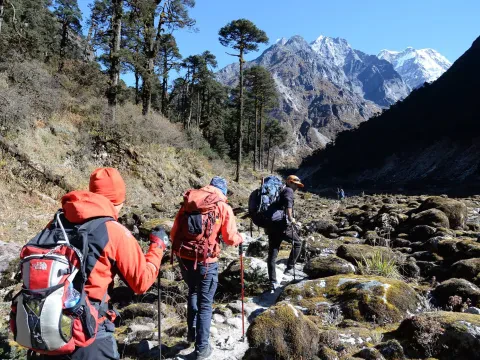
Island Peak or Imja Tse is a beautiful mountain in the Sagarmatha National Park of the Everest region. The peak was named as an Island Peak because of its scenery that looked like a peak in the middle of the pool of ice from Dingboche. This is the second highest point one can reach without the mountaineering equipment. This is a strenuous trek but the views are absolutely worth it.The trip begins from Kathmandu, the capital of Nepal and takes you through various UNESCO world heritage sites, the holy Pashupatinath temple, the monkey temple, Swoyambhu nath, the Buddhist pilgrimage site, Boudhanath Stupa and many more. The trip then extends to take you to Lukla through a 35 minutes scenic flight. The view from the airplane is magnificent and the mountain ranges extra-ordinary. From Lukla, the trek begins towards Phakding and then to Namche Bazaar, the gateway to Everest. Namche Bazar is the famous trading hub and consists of few best restaurants to hangout and acclimatize at. Then the trip heads on towards the peak, the trails beautiful and the mountains exhilarating. The trip will take you through the famous Everest region and to the Island Peak which is at an altitude of 6187 m in the Khumbu region. After the summit, we head back to Namche Bazaar, relax and then head back to Kathmandu which ends the trip. So, we welcome all our clients to be a part of the best trek up the mountain and experience the quality service with Odea Services.Island Peak Climbing OverviewIsland Peak Climbing is one of the most popular trekking peaks in Nepal, located in the beautiful Khumbu region of the Everest area inside Sagarmatha National Park. Also known as Imja Tse, Island Peak stands at an elevation of 6,187 meters and offers an exciting combination of trekking, glacier walking, and mountaineering adventure. The peak received its name because, when viewed from Dingboche, it appears like an island surrounded by a sea of ice. It is considered one of the best introductory climbing peaks for adventure seekers who want to experience Himalayan mountaineering with proper climbing training and support.The Island Peak Climbing journey with Odea Services begins with cultural exploration in Kathmandu, where you visit UNESCO World Heritage Sites including Swoyambhunath Stupa, Kathmandu Durbar Square, Pashupatinath Temple, and Boudhanath Stupa. After enjoying the traditional Nepali welcome experience, the adventure continues with a scenic mountain flight from Kathmandu to Lukla. From Lukla, the trek passes through beautiful Sherpa villages, suspension bridges, rhododendron forests, and the famous trading hub of Namche Bazaar before reaching higher Himalayan landscapes.The route gradually moves through Tengboche, Dingboche, and Chhukung while allowing proper acclimatization before climbing Island Peak. The summit day provides breathtaking panoramic views of some of the world's highest mountains, including Mount Everest, Lhotse, Makalu, Ama Dablam, and other Himalayan peaks. After successfully reaching the summit, the journey returns through the Everest region before ending back in Kathmandu.Summit experience at 6,187 meters in the Everest regionScenic flight to Lukla with Himalayan viewsExploration of Sherpa villages and Buddhist monasteriesVisit to Namche Bazaar, the gateway to EverestProper acclimatization and pre-climb trainingStunning views of Everest, Lhotse, Ama Dablam, and MakaluProfessional trekking and climbing support by Odea ServicesBest Season for Island Peak ClimbingChoosing the right season is very important for a successful Island Peak Climbing experience. Nepal has two major climbing seasons that offer the best weather conditions: spring and autumn. During these periods, the skies are usually clear, temperatures are comfortable, and the mountain views are at their best.The spring season from March to May is one of the most favorable times for climbing Island Peak. During this period, the trails are decorated with blooming rhododendron flowers, and climbers can enjoy stable weather conditions. The autumn season from September to November is another excellent period because of clear visibility, dry trails, and spectacular views of the Himalayan ranges.Winter climbing is possible for experienced climbers but brings additional challenges due to freezing temperatures, heavy snowfall, and difficult climbing conditions. The monsoon season is generally avoided because rain can affect flights, trails, and mountain visibility.Best seasons for Island Peak Climbing:Spring season: March to MayAutumn season: September to NovemberClear mountain views and stable weatherBetter climbing conditions and safer trailsIdeal time for photography and Himalayan explorationIsland Peak Climbing Difficulty and TransportationIsland Peak Climbing is considered a challenging adventure that requires good physical fitness, mental preparation, and basic mountaineering skills. Although it is classified as a trekking peak, reaching the summit at 6,187 meters involves walking on glaciers, climbing steep sections, and using technical equipment such as ropes, crampons, and ice axes. Odea Services provides experienced guides and pre-climb training to help climbers prepare for the summit.The trek follows a gradual acclimatization schedule to reduce the risk of altitude-related problems. Rest days in places like Namche Bazaar and Dingboche allow the body to adapt to higher elevations before moving toward the Island Peak Base Camp and High Camp. The summit day is the most demanding section and requires early morning climbing through rocky terrain and icy slopes.Transportation during the Island Peak Climbing adventure combines comfortable ground transportation and scenic mountain flights. The journey starts with airport transfers in Kathmandu, followed by a short but thrilling flight from Kathmandu to Lukla. During the trek, all transportation is managed through walking trails, with porters and climbing staff supporting the expedition.Difficulty and transportation features:Challenging high-altitude trekking experienceRequires basic climbing skills and physical fitnessIncludes glacier crossing and technical climbing sectionsScenic Kathmandu–Lukla mountain flightProfessional guides and climbing assistanceProper acclimatization schedule for safetyFood and Accommodation for Island Peak ClimbingDuring the Island Peak Climbing journey, Odea Services ensures comfortable accommodation and nutritious meals throughout the trip. In Kathmandu, guests stay at comfortable hotels with modern facilities. During the trekking period, accommodation is provided in traditional mountain guesthouses where climbers can experience authentic Sherpa hospitality.At higher elevations, accommodation becomes more basic but remains clean and comfortable. During the Island Peak Base Camp and High Camp sections, climbers stay in tented camps supported by a professional kitchen team. These camping arrangements provide necessary facilities while creating an authentic Himalayan expedition atmosphere.Food plays an important role in maintaining energy during the climb. The trekking route offers a variety of local and international dishes, including traditional Nepali meals, Tibetan-style food, noodles, soups, rice, vegetables, and other nutritious options. During the climbing period, meals are carefully prepared to provide enough energy for challenging climbing activities.Food and accommodation services include:Hotel accommodation in KathmanduMountain guesthouses during trekkingTented camp at Island Peak Base Camp and High CampNutritious breakfast, lunch, and dinnerTraditional Nepali and international meal optionsExperienced kitchen support during climbing daysIsland Peak Climbing PermitsIsland Peak Climbing requires several official permits issued by the Government of Nepal and local authorities. These permits help protect the natural environment of the Everest region and support conservation activities inside Sagarmatha National Park. Odea Services manages all required documentation and permits so climbers can focus completely on their adventure.The main permits required for Island Peak include the Sagarmatha National Park entry permit, Khumbu Pasang Lhamu Rural Municipality permit, and Island Peak climbing permit issued by the Nepal Mountaineering Association (NMA). These permits are essential for legal access to the trekking routes and climbing areas.Obtaining permits can be complicated for international travelers because of different regulations and paperwork requirements. With Odea Services, all necessary arrangements are completed professionally before and during the expedition.Required permits for Island Peak Climbing:Sagarmatha National Park Entry PermitKhumbu Pasang Lhamu Rural Municipality PermitIsland Peak Climbing PermitTIMS card (where applicable)Professional permit management by Odea ServicesWhy Choose Island Peak Climbing with Odea ServicesChoosing the right company is essential for a safe and memorable Himalayan climbing experience. Odea Services provides professionally organized Island Peak Climbing packages designed for adventure lovers who want to experience Nepal’s natural beauty, Sherpa culture, and Himalayan mountaineering. From airport arrival to the final departure, every part of the journey is carefully managed.Odea Services focuses on safety, comfort, and quality service by providing experienced trekking guides, climbing assistance, proper acclimatization plans, and reliable logistics. The team understands the challenges of high-altitude climbing and ensures that every climber receives proper guidance throughout the expedition.With a combination of cultural tours, Everest region trekking, technical climbing experience, and personalized service, Island Peak Climbing with Odea Services becomes a complete Himalayan adventure. The journey is not only about reaching the summit but also about experiencing Nepal’s landscapes, traditions, and unforgettable mountain moments.Reasons to choose Odea Services:Experienced trekking and climbing professionalsComplete permit and logistics managementSafety-focused climbing approachPersonalized service and supportExperienced Sherpa guides and climbing staffAuthentic Himalayan cultural experienceMemorable Everest region adventure