Highlights
Overview: Mardi Himal Trekking
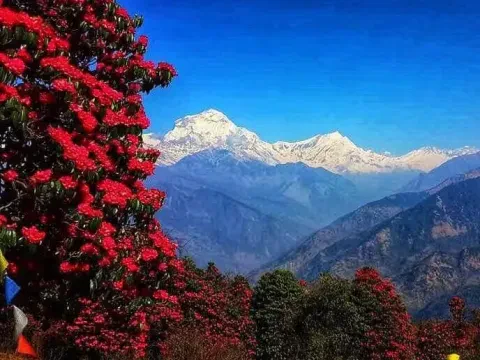
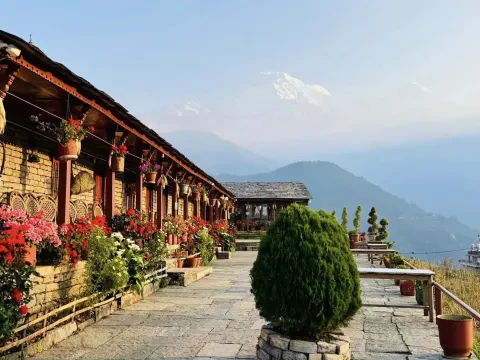
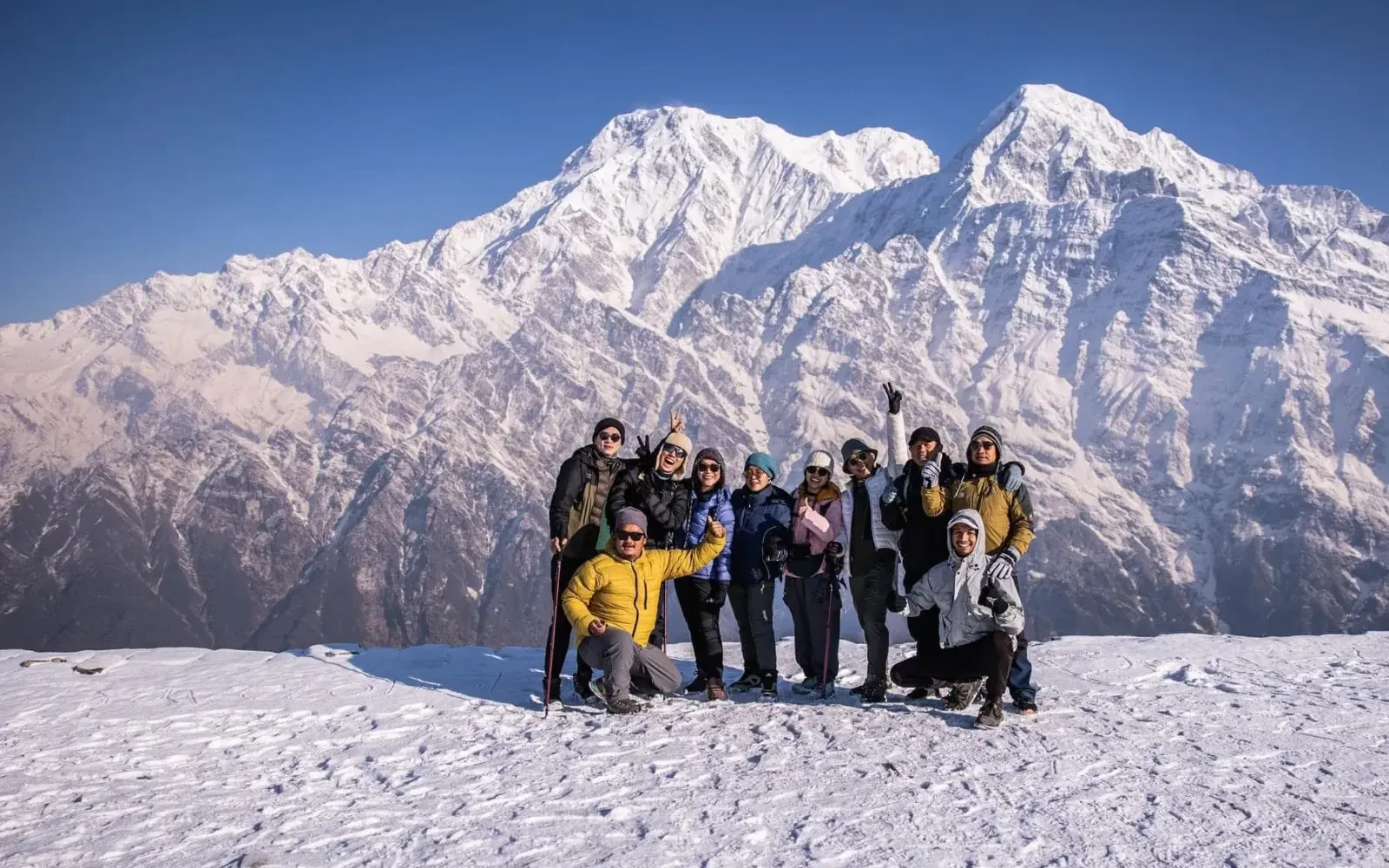
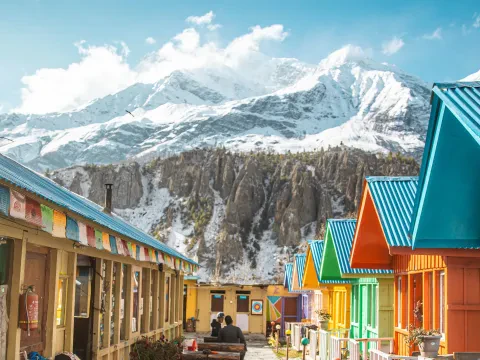
The Mardi Himal Trek is a hidden gem in the Annapurna mountain range, ideal for adventurers seeking a quieter, off-the-beaten-path experience. Opened only recently, this route offers a perfect blend of cultural exploration, natural beauty, and stunning Himalayan vistas, with fewer crowds than the more popular treks like Poon Hill and Annapurna Base Camp. Starting from the heritage-rich Kathmandu Valley, the journey transitions through the cultural heart of Pokhara, then into lush rhododendron forests, remote villages, and alpine meadows. As the trail ascends beyond 3,300 meters, the landscape dramatically shifts to a rugged high-altitude environment, offering up-close views of Mardi Himal, Machhapuchhre (Fishtail), Annapurna South, and Hiunchuli.
The trek reaches its pinnacle at the Mardi Himal Base Camp (4,500m), after a final push from High Camp (3,900m), rewarding trekkers with some of the most spectacular panoramic views in the Annapurna region. The descent follows a different route via the Mardi Khola River and the traditional village of Lwang, adding a rich cultural dimension to your return journey.
The Best time for Trekking in Nepal from Singapore :
🍁 Autumn Season (Late September to November)
✔️ Best Overall Time to Trek
Weather: Clear skies, dry conditions, mild temperatures
Visibility: Excellent mountain views
Events: Dashain & Tihar festivals (great cultural experience)
Why it's ideal for Singaporeans: Comfortable temperatures after Singapore’s humid season, and coincides with school holidays (late Nov–Dec).
🌸 Spring Season (March to May)
✔️ Best for Rhododendron Blooms and Wildlife
Weather: Pleasant days, slightly warmer than autumn
Scenery: Blooming rhododendrons, lush forests, clear skies
Why it suits Singaporeans: Escape from tropical heat and humidity, coincides with long weekends like Good Friday and Easter.
Nepal is the world's premier destination for trekking and is the country where commercial trekking was pioneered back in the early 1960s.Two of the most popular trekking regions are Everest and Annapurna where many different trails can be followed while the other popular treks are in the Langtang and Kanchenjunga regions. The most challenging is the Great Himalayan Trails, an extensive trail system that covers Nepal from Humla and Darchula in the west to Kanchenjunga in the east. The diversity of trekking trails in Nepal cannot be found in any other part of the world. In fact, the lowest point in Nepal is 59 m above sea-level in the Tarai region while the highest point is Everest, 8,848 m above sea-level, the two points being only 200 kilometers apart as the crow flies. A majority of visitors to Nepal come in via the Tribuvan International Airport in Kathmandu. It is in Kathmandu that trekkers need to acquire their permits and other documentation, either from a trekking agent or from the appropriate offices. These documents will be checked along the trekking route. For those with little time on their hands, there are half-day hikes from Kathmandu to witness breathtaking Himalayan views.Trekking in Nepal today is completely different from that of the 1960s. In all the main trekking areas, the National Parks and Conservation Areas lodges have been established where trekkers can find accommodation, and food and meet other trekkers and locals along the way. A majority of the trails are well maintained and in many cases are sign-posted.The lodges are well-appointed and have facilities for charging batteries and the larger villages often have email facilities. The length, difficulty and timing of the treks vary greatly and to add to that once outside of the main trekking areas, transport becomes more problematic and often involves at least two journeys made on domestic scheduled flights. Many treks in Nepal begin with a domestic flight to the starting point and many are in remote areas with no road access. Several days of trekking is required to reach the higher mountain areas from the local centers of population and administration.Nepal has six distinct and diverse vegetation zones ranging from Tropical below a 1,000 m through Sub-tropical 100m - 200m, Lower Temperate 1,700 m - 2,700 m, Upper Temperate 2,400 m - 3,000 m, Sub-alpine 3,000 m - 4,000 m and Alpine 4,000 m to the snowline, above the snowline, it is a Himalaya tundra-like wilderness. The higher altitudes are home to the elusive Snow leopard, Himalayan Thar, Musk deer, and other rare species.Although the popular treks in Kanchenjunga, Everest, Manaslu, and Annapurna are able to provide lodge accommodation, the less frequented treks in those areas and also in other areas west of Annapurna will generally require camping-style trek support.It is important for tourists to know that the main income-generating activity of the people from the hill regions is tourism, and they typically earn wages working as trekking porters or guides. Hiring a porter does not mean that you are weak, it means you value the Nepali culture, you are providing an extended Nepali family with an income and at the same time you are making a friend and trekking with a local person who is well versed in the local cultures, festivals, and all the other issues that can turn a good trek into an outstanding experience of a life time.It is possible to trek alone or without a Nepali guide, but you would not know what to do in a major storm, zero visibility and plunging temperatures at possibly 5,000 m? Make sure you have all the permits required, and be environmentally and culturally aware. Trekkers can find a trail any time of year. The southern areas of Nepal receive higher levels of precipitation. However, some routes along the Great Himalaya Trails lie in the rain shadow, a dry area on the leeward side of a mountain namely Mustang to the north of Annapurna and Manaslu, Dolpo to the north of Dhaulagiri and the far west of Nepal to the north of Saipal Himal. Post monsoon the weather tends to be clearer. Winter is good but colder with shorter days and spring can be affected by seasonal rain and snow storms. Summer is short and is quickly followed by the monsoons. Monsoon treks are usually in the dry Manang and Mustang areas. However, the rains don't pour 24 hours a day and they bring spectacular flowers to life. It is also the perfect time to consider one of the regions in the rain shadow which typically feature a more barren Tibetan type scenery as opposed to the greenness on other side.