Overview of Nepal and Bhutan Tour
A Nepal and Bhutan tour typically spans 8-16 days, offering a captivating blend of cultural immersion, spiritual exploration, and Himalayan scenery in two landlocked nations known for their rich heritage and natural beauty. These tours often start in Kathmandu, Nepal's vibrant capital, before a short flight to Paro, Bhutan, allowing travelers to experience the contrasts between Nepal's diverse Hindu-Buddhist traditions and Bhutan's preserved Buddhist kingdom, often called the "Land of the Thunder Dragon." Guided itineraries focus on UNESCO World Heritage Sites, ancient monasteries, scenic drives, and light hikes, making it suitable for all ages with no extreme physical demands. Tours emphasize sustainable travel, local cuisine, and insights into philosophies like Bhutan's Gross National Happiness. Popular for 2025/2026, packages from operators like Himalayan Mentor or Outfitter Himalaya include accommodations, meals (full board in Bhutan), and permits, with costs varying by group size and luxury level—expect starting around $2,500-4,000 USD per person excluding international flights. It's an ideal bucket-list trip for culture enthusiasts, nature lovers, or those seeking a serene escape from urban life, with options for active journeys like Smithsonian's 16-day hike-focused variant.
Highlights of Nepal and Bhutan Tour
Tours highlight the unique cultural treasures, majestic landscapes, and spiritual sites of both countries, with a mix of historical sightseeing and natural wonders. Key attractions include:
Nepal Highlights
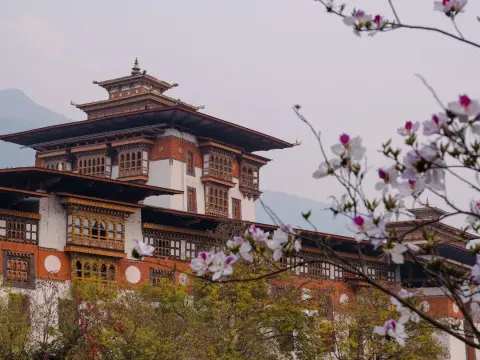
Bhutan Highlights
Best Time to Visit Nepal and Bhutan in 2025
Why a Tour to Nepal and Bhutan Should Be on Your Bucket List in 2025
A combined Nepal and Bhutan tour deserves a top spot on every traveler's bucket list, offering an unparalleled fusion of raw natural beauty, profound cultural immersion, and spiritual rejuvenation that stands out in a world of overcrowded destinations. As we head into 2025, with travel trends leaning toward meaningful, sustainable experiences, these Himalayan gems provide a perfect escape—blending Nepal's adventurous energy with Bhutan's serene introspection. Here's why this duo should be your next big adventure, building on the unique meld of nature, culture, and spirit that makes it irresistible.
1. Breathtaking Himalayan Landscapes and Once-in-a-Lifetime Views
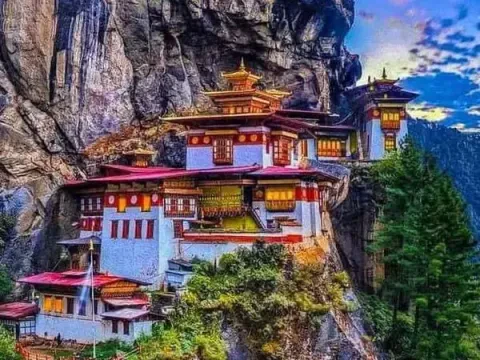
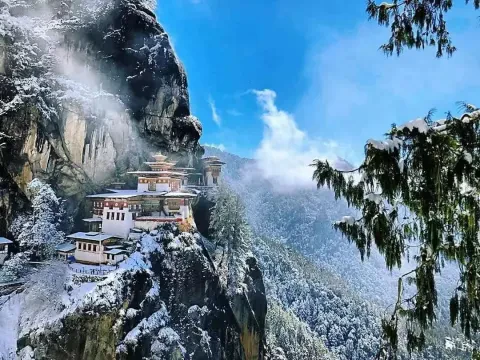
Nepal, home to eight of the world's ten highest peaks including Mount Everest, delivers jaw-dropping vistas that embody the ultimate bucket-list thrill for nature lovers. Imagine trekking through lush valleys, witnessing sunrise over snow-capped giants, or taking a scenic mountain flight for aerial panoramas of the Himalayas—these experiences ignite a sense of awe and accomplishment. Bhutan complements this with its pristine, unspoiled alpine valleys and dramatic cliffs, where flights into Paro offer glimpses of Everest and Kanchenjunga, and hikes like the one to Tiger's Nest Monastery perch you on the edge of ethereal landscapes. Together, they create a visual symphony of towering mountains, rivers, and forests that's not just seen but deeply felt, making every photo a story worth sharing.
2. Rich Cultural Heritage and Living Traditions
Nepal's lively cultural atmosphere is a dream for history enthusiasts and adventurers alike, with UNESCO-listed sites like the ancient temples of Kathmandu Valley, the birthplace of Buddha in Lumbini, and vibrant festivals that pulse with music, dance, and community spirit. The hustle of bustling markets, intricate Newari architecture, and warm hospitality from diverse ethnic groups welcome global travelers, offering immersive insights into a blend of Hindu and Buddhist practices that feel alive and authentic. Bhutan, in contrast, invites introspection through its peaceful monasteries, majestic dzongs (fortresses), and commitment to Gross National Happiness—a philosophy that prioritizes wellbeing over materialism. Here, traditions remain untouched by mass tourism, with colorful Tsechu festivals featuring masked dances and rituals that connect you to centuries-old Buddhist heritage. Combining the two allows you to compare and appreciate their shared yet distinct Himalayan cultures, art, and architectures, forging memories that transcend typical vacations.
3. Adventure for Every Level, From Thrills to Tranquility
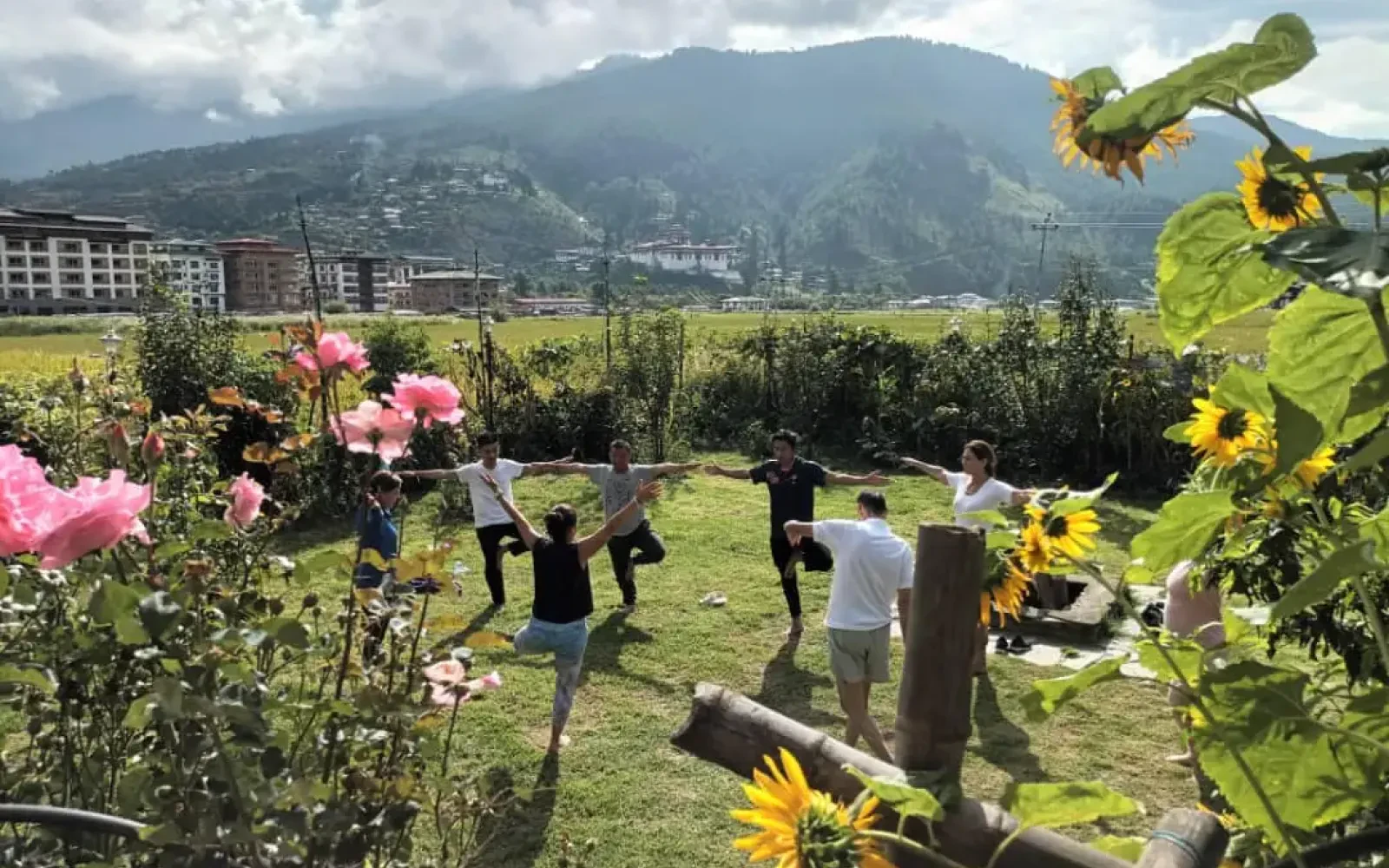
For adrenaline seekers, Nepal shines with world-famous trekking routes like the Annapurna Circuit or Everest Base Camp, white-water rafting, paragliding, and jungle safaris in Chitwan National Park—experiences that make you feel "fully alive" amid diverse terrains from peaks to subtropical forests. It's budget-friendly yet rewarding, ideal for solo explorers or families. Bhutan offers a gentler pace with serene hikes through protected wilderness, mindfulness retreats, and scenic drives that emphasize rejuvenation over rush. This balance of excitement and peace—Nepal's vibrant energy against Bhutan's contemplative calm—creates a holistic adventure that's accessible to all ages and fitness levels, turning a tour into a personal transformation.
4. Spiritual Depth and a Path to Inner Peace
Both nations are spiritual heartlands, but their approaches differ beautifully. Nepal's sacred sites, like Pashupatinath Temple and Boudhanath Stupa, blend Hinduism and Buddhism in a tapestry of pilgrimages and meditation spots that foster self-discovery amid the Himalayas' serene backdrop. Bhutan elevates this with its "Land of the Thunder Dragon" ethos, where monasteries like Punakha Dzong serve as centers for deep reflection, and the nation's environmental preservation reflects a harmonious lifestyle. A combined tour feels like a spiritual journey through dramatic landscapes and ancient temples, promoting happiness and wellbeing in an increasingly fast-paced world—perfect for those seeking more than sightseeing.
5. Sustainable and Unique Travel in a Changing World
In 2025, as travelers prioritize eco-conscious trips, Nepal and Bhutan stand out for their commitment to sustainability. Nepal's underrated wildlife and community-based tourism support local economies while protecting biodiversity. Bhutan, with its carbon-negative status and high-value, low-impact tourism model (including a daily sustainable development fee), ensures unspoiled environments and authentic encounters. This rarity—visiting places where traditions and nature are preserved against global influences—makes the tour a truly unique destination, especially for luxury seekers in 2025/2026 who want cultural depth without the crowds.Ultimately, a Nepal-Bhutan tour isn't just a trip; it's a bucket-list essential that satisfies the adventurer, the historian, and the soul-searcher. Nepal's breathtaking Himalayan views, exciting treks, and welcoming cultural vibe pair seamlessly with Bhutan's introspective monasteries, pristine landscapes, and happiness-centered lifestyle, offering the best of both worlds in one unforgettable journey. Whether you're drawn to the thrill of exploration or the peace of reflection, this Himalayan duet promises experiences that linger long after you return home. If you're planning for 2025, book early—festivals and clear weather in spring or autumn make it even more magical!