
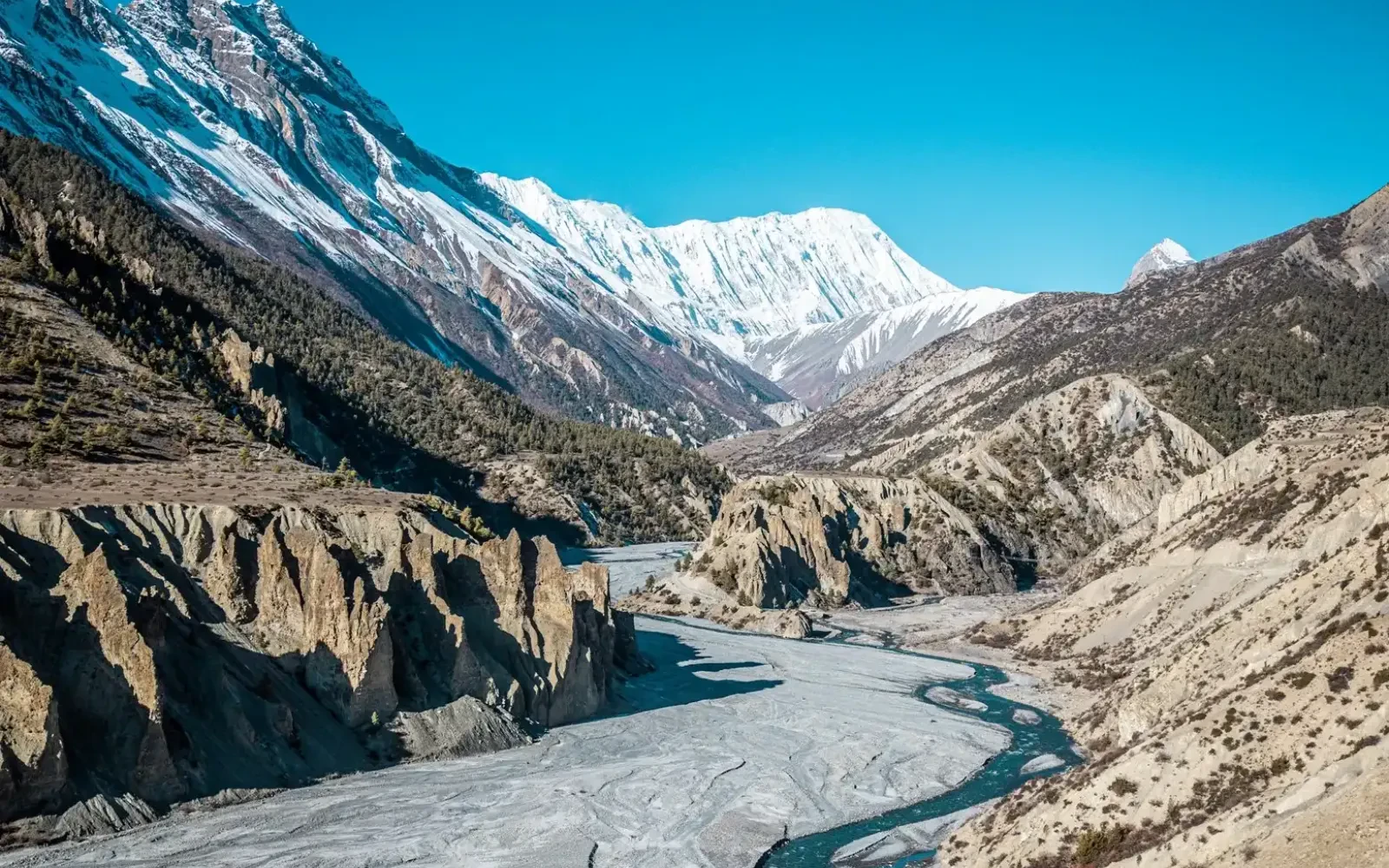
The Annapurna Circuit Trek is one of the most iconic trekking routes in Nepal, offering breathtaking views of the Annapurna and Dhaulagiri ranges, diverse landscapes, and rich cultural experiences. This trek is ideal for beginners who want a combination of adventure, natural beauty, and interaction with local communities without requiring advanced technical skills. Starting at a moderate altitude and gradually ascending to the highest point at Thorong La Pass (5,416m), the trek allows the body to acclimatize properly while exploring some of Nepal’s most scenic regions.
The route winds through terraced fields, deep valleys, pine forests, and high-altitude deserts, offering a variety of terrain and landscapes. Along the way, trekkers pass through traditional Gurung, Manangi, and Thakali villages, giving an authentic glimpse of Nepalese culture. The trek also includes rest days in strategic locations like Manang to ensure proper acclimatization, making it suitable even for those new to high-altitude trekking.
Key Highlights:
The Annapurna Circuit is renowned for its scenic variety, cultural richness, and well-established trekking infrastructure, making it a top choice for first-time trekkers. Compared to other high-altitude treks, it offers a safer acclimatization schedule, accessible teahouses, and moderate trekking challenges. Beginners can enjoy the adventure without feeling rushed or overwhelmed, while still experiencing the thrill of crossing one of the world’s highest passes.
Choosing Odea Services ensures a smooth and enriching experience. With professional guides, curated itineraries, and attention to comfort and safety, beginners can focus on enjoying the journey rather than worrying about logistics. Odea Services provides personalized support, including transportation, accommodation, and meals, along with cultural guidance to enrich your trekking experience.
Reasons to Choose This Trek with Odea Services:
The Annapurna Circuit Trek is accessible year-round, but the experience varies significantly depending on the season. The autumn months (September to November) are considered the best time for trekking, offering clear skies, moderate temperatures, and spectacular mountain views. Spring (March to May) is also popular, as rhododendron forests bloom and wildlife is more active.
Winter (December to February) brings cold temperatures and snow, especially at higher elevations, making some sections challenging for beginners. Monsoon season (June to August) is generally avoided due to heavy rainfall, slippery trails, and potential landslides, though the landscape is lush and green.
Key Points:
Before starting the trek, obtaining the proper permits is essential. Trekkers need an Annapurna Conservation Area Permit (ACAP) and a Trekkers’ Information Management System (TIMS) card. These can be arranged through Odea Services, either in Kathmandu or at the trailhead.
Packing the right gear is also crucial for comfort and safety. Essentials include layered clothing, trekking boots, a sleeping bag, trekking poles, and a reliable backpack. Budget-wise, trekkers should account for accommodation, meals, guide/porter services, permits, and transportation. A daily budget of $30–$50 is typical for a beginner traveling comfortably.
Key Points:
The Annapurna Circuit Trek is a journey through diverse landscapes, from subtropical forests to high Himalayan deserts. Here’s a beginner-friendly breakdown:
Key Points:
Along the Annapurna Circuit, accommodations are mostly tea houses and lodges, offering basic rooms and communal bathrooms. In larger villages like Manang and Chame, more comfortable options with hot showers are available. Booking in advance through Odea Services ensures smooth arrangements, especially during peak season.
Food along the trail is typically local Nepali cuisine, including dal bhat (rice and lentils), momos (dumplings), and soups. Western dishes like pasta, noodles, and pancakes are also widely available. Staying hydrated and eating balanced meals is important, especially at higher elevations.
Key Points:
Proper gear is crucial for enjoying the Annapurna Circuit Trek comfortably and safely. Beginners should focus on layered clothing to adapt to changing temperatures, durable trekking boots, a warm sleeping bag, and trekking poles for stability on uneven trails. A daypack for essentials, water bottles or a hydration system, and a rain jacket are also recommended. For convenience, headlamps, trekking maps, and portable chargers can enhance safety and comfort.
Packing light but smart ensures mobility and less fatigue. Odea Services can advise on trekking gear rental or purchase in Kathmandu, saving beginners from overpacking. Remember, the higher-altitude days are colder and windier, so packing layers and thermal wear is essential.
Key Points:
Altitude sickness is a common concern on the Annapurna Circuit, especially above 3,500 meters. Gradual acclimatization with rest days, like in Manang, is essential. Symptoms such as headache, nausea, and fatigue should never be ignored. Carrying medications for altitude sickness, along with a basic first aid kit, is recommended.
Staying hydrated, eating nutritious meals, and walking at a comfortable pace help maintain energy levels. Local guides provided by Odea Services are trained in health and safety measures and can provide advice or emergency assistance if needed. Avoiding alcohol, smoking, and overexertion at high altitudes is also critical.
Key Points:
The Annapurna Circuit is not just a trek through mountains but also a journey through rich cultural landscapes. You will encounter Gurung, Thakali, and Tibetan communities, each with unique traditions, festivals, and hospitality. Visiting local monasteries, temples, and markets provides a deeper understanding of Nepali culture.
Tea houses along the route are family-run, offering an opportunity to interact with locals, learn about their daily lives, and experience authentic Nepali cuisine. Respecting local customs, dressing modestly, and learning basic greetings in Nepali enhances your cultural experience.
Key Points:
Even for beginners, some physical preparation is necessary to handle long trekking days and altitude. Cardiovascular training such as hiking, running, or cycling strengthens stamina. Strength exercises focusing on legs, core, and balance help with uphill climbs and uneven terrain.
Hiking with a loaded backpack before the trek can simulate real conditions and prepare your body for the daily effort. Mental preparation is equally important—being patient, adaptable, and motivated can make the trek enjoyable even on challenging days. Odea Services can advise beginners on customized preparation plans.
Key Points:
The Annapurna Circuit Trek is a journey of both physical challenge and personal discovery. Beginners should embrace the experience with curiosity and flexibility, understanding that weather, altitude, and trail conditions may vary. Every step brings stunning Himalayan views, unique wildlife, and unforgettable cultural encounters.
First-time trekkers are encouraged to trust their guides, listen to their bodies, and enjoy the journey rather than rushing to the next destination. With proper planning, fitness, and guidance from Odea Services, the trek can be a life-changing adventure filled with memories that last a lifetime.
Key Points:
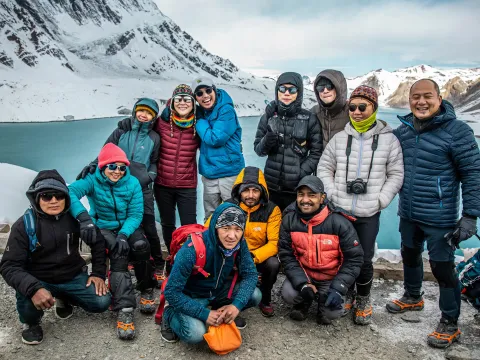
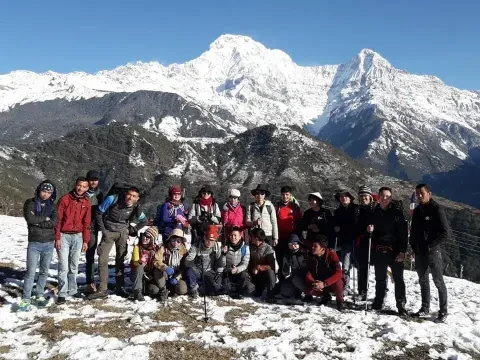
The Annapurna Base Camp (ABC) Trek is one of Nepal’s most spectacular trekking experiences. Managed and offered by Odea Services, this trek attracts adventurers, nature lovers, and photographers from around the world. The journey blends breathtaking Himalayan landscapes, cultural encounters, and challenging yet rewarding trekking experiences.
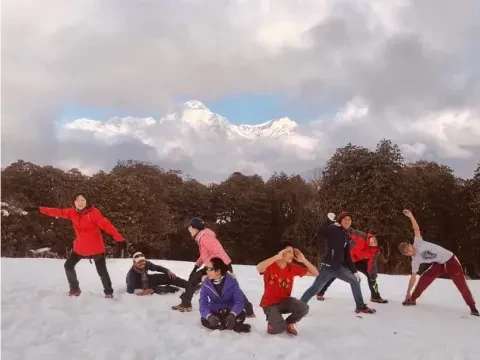
The Trekking Through Annapurna: Ghorepani to Poon Hill Adventure offered by Odea Services is an ideal trek for travelers seeking a perfect blend of cultural immersion, natural beauty, and moderate trekking challenge. Spanning 7-8 days, this journey takes you through terraced farmlands, dense rhododendron forests, charming Gurung villages